Print Durability Testing for Branded Umbrella Orders
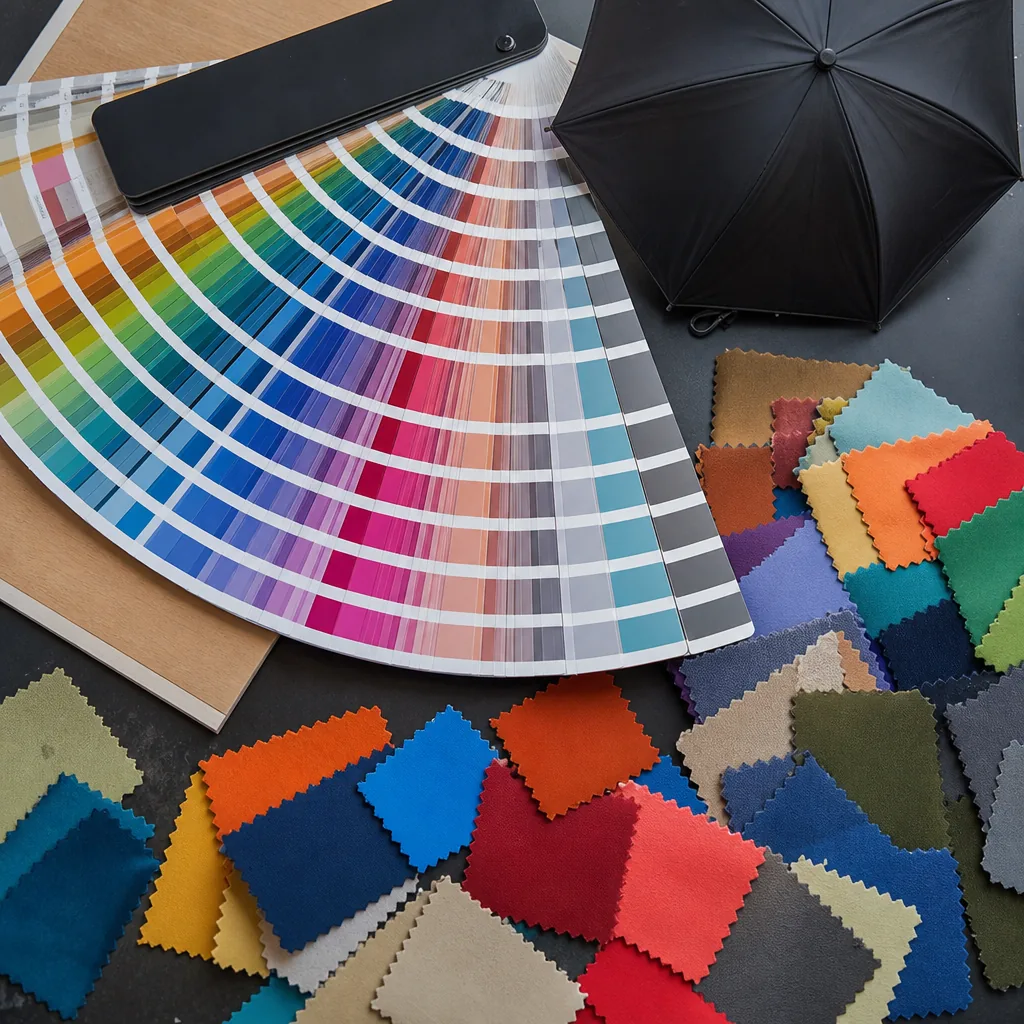
When you place a branded umbrella order, the logo has to survive real use, not just look good on first inspection. At the factory floor, we see failures from UV fade, rubbing in packing, repeated folding, and wet abrasion long before a buyer does, so the right standard for branded umbrella print durability must be defined before production starts. Clear test samples, AQL 2.5 checks, and pass-fail criteria keep approvals objective and reduce disputes after shipment.
Why Logo Durability Matters in B2B Umbrella Programs
For retail buyers, distributors, and event teams, branded umbrella print durability is not a cosmetic detail; it is a brand-liability issue. An umbrella moves through rain, UV exposure, bag friction, and repeated open-close cycles, so a logo that looks fine on day one can crack, fade, or peel after a few outings. On 190T or 210T pongee canopies, weak ink systems tend to show trouble first along the panel seams and near the tips, where the fabric flexes hardest. If the artwork shifts under heat or the coating is too soft, you also get ink transfer onto the opposite panel when the umbrella is folded tight. That is a bad look for a retail program and a faster complaint cycle for a promotional giveaway. When we talk about an umbrella logo durability test, we are really asking whether the print survives normal use, not just a photo on a QC table.
The failure patterns are consistent: screen print can crack on high-stretch areas, heat-transfer graphics can lift at the edges, and low-grade sublimation can fade quickly on darker fabrics or cheaper PU-backed canopies. Fold lines are the usual stress point because the canopy compresses there every time the umbrella is closed; after enough cycles, the graphic can turn chalky or show white fractures. That is why printed umbrella quality control has to include open-close cycling, rub checks, and visual inspection under strong light, not just a quick glance at the artwork. Our standard practice is to treat promotional umbrella QC as part of the production lot, not a separate favor, and to tie it into AQL umbrella inspection at AQL 2.5 so print defects are caught before packing. If the logo fails in the factory, it will fail faster in the field, especially on auto-open and auto-open-close models that see more handling than manual units.
Key Tests for Printed Umbrella Logos
The fastest way to expose weak logo work is a controlled rub test before the goods reach final packing. For screen-printed pongee 190T/210T, we use a dry rub and wet rub method on the printed panel, usually 20 to 50 back-and-forth strokes with white cotton cloth under consistent hand pressure or a small crocking tester. Heavy ink transfer, edge cracking, or visible thinning is a reject because the logo will deteriorate when the umbrella is folded wet or rubbed against a sleeve. A tape adhesion check is also critical: apply 3M-style pressure-sensitive tape over the cured logo, press firmly, peel at a sharp angle, and inspect for ink lift. This umbrella logo durability test is especially important on Teflon-coated, silver-coated, or UV UPF 50+ fabrics, where surface treatment can block ink bonding if the panel was not pretreated or the ink was under-cured.
Wet wipe and colorfastness-to-water checks catch problems that dry inspection misses. We wipe the logo with a damp white cloth, then soak or spray the printed area and check for bleeding, ghosting, tackiness, or dye migration into adjacent panels. Screen print usually performs well if the ink is matched to polyester and cured correctly, but thick white ink on dark 190T pongee needs extra attention because poor curing leaves a rubbery surface. Digital print and sublimation are judged more by colorfastness and UV exposure screening than by tape pull, since the image sits differently in or on the fabric. For sublimation, we look for shade change after light exposure; for digital pigment print, we watch for surface scuffing and poor wash resistance. Good branded umbrella print durability depends as much on ink chemistry and fabric coating as on artwork resolution.
Heat transfer logos need a folding cycle review because the transfer film often fails at creases before it fails in normal rubbing. We open and close sample umbrellas 25 to 50 cycles, then inspect the logo area near rib tips, panel seams, and fold lines for lifting corners, hairline cracks, or whitening. This is a core part of printed umbrella quality control for promotional umbrella QC, especially on compact 21 inch auto-open-close models where the canopy folds tightly and rubs against the shaft and runner. For bulk orders, these checks should be written into the pre-production sample approval and final AQL umbrella inspection plan, commonly AQL 2.5 for major defects. At ZheBrella, our standard practice is to test screen print, digital print, and heat transfer differently instead of using one generic logo test, because each decoration method fails in a different way.
Material and Construction Factors That Affect Print Life
Print life starts with the fabric, not the ink. On most branded orders, 190T pongee is the practical baseline: tight enough for clean screen printing and heat-transfer logos, light enough for 21" and 23" promotional umbrellas, and stable in bulk cutting. 210T pongee has a denser weave and smoother hand, so fine logo edges and small text usually hold better after wet-rub and fold-abrasion testing. The tradeoff is cost and slightly slower drying if the coating is heavy. For branded umbrella print durability, I prefer 210T when the artwork has gradients, thin strokes, or large white ink areas over dark fabric. POE, PVC, and EVA transparent canopies behave differently; they need adhesion testing because ink sits more on the surface instead of locking into yarn texture.
Coatings change the way a logo bonds to the canopy. A UPF 50+ black-out or silver coating can improve retail value, but it also adds a barrier layer that may reject certain heat-transfer films or require lower press temperature to avoid coating distortion. Teflon-style water-repellent finishes create the same issue: rain beads nicely, but untreated ink may fail a tape pull test after curing. In printed umbrella quality control, we normally check cross-hatch adhesion, dry/wet rub, folding abrasion, and color migration before approving bulk printing. For an umbrella logo durability test, I also want samples opened and closed 50 to 100 cycles before the final tape test, because a logo that passes flat-table testing can crack once the canopy is under real frame tension.
Construction is the part buyers often underestimate. A double-canopy vented windproof umbrella reduces inversion damage in 40 to 50+ mph gust testing, but it also creates extra seam lines, overlapping fabric, and airflow movement that can stress prints placed too close to vents. Rib material matters as well: fiberglass ribs flex and recover, spreading load more gently across the panel, while steel ribs are stiffer and can concentrate tension near the rib tips and seam tape. Auto-open frames add another variable because the canopy snaps into position every time the runner locks; over hundreds of openings, that impact can craze thick ink layers or lift transfer edges. For promotional umbrella QC, AQL umbrella inspection should include open-close cycling, panel tension checks, and logo inspection at rib-contact zones, not just a clean logo review on a folded sample.
Setting Approval Criteria Before Mass Production
Approval criteria must be written before the first bulk panel is cut, because once 190T or 210T pongee is printed and sewn onto 8K or 10K frames, arguing about “close enough” wastes both fabric and time. For branded umbrella print durability, I set a measurable color tolerance against the signed artwork and approved fabric swatch, not against a phone photo or PDF viewed on a random monitor. For most corporate logos, a Delta E of 2.0 to 3.0 is reasonable after curing, while fluorescent, metallic, and very dark ink on coated fabric may need a wider agreed range. If the order uses heat transfer or sublimation, check color after pressing and cooling, because some inks shift 12 to 24 hours later. The buyer should sign one pre-production sample with the exact canopy fabric, coating, print method, handle, shaft, rib count, and packaging; otherwise the factory is approving one product while the customer is expecting another.
Logo position tolerance should be stated in millimeters, panel by panel. On a 23-inch manual umbrella, I usually allow ±5 mm from the approved placement mark for a single-panel logo, and ±8 mm for multi-panel registration where sewing tension can move the artwork slightly. Edge sharpness also needs a standard: no sawtooth edges visible at 50 cm viewing distance, no ink bleed beyond 0.5 mm on solid logos, and no broken strokes on text under 6 pt unless the buyer accepted that risk during artwork review. A proper umbrella logo durability test should include dry rub, wet rub, tape pull, folding abrasion, and at least one open-close cycle after the canopy has been packed for 24 hours. Our standard practice at ZheBrella is to photograph the approved sample under fixed lighting and keep the physical sample at the production line, not in the sales office.
Minor defect limits should connect directly to printed umbrella quality control and AQL umbrella inspection, not sit in a separate email. For promotional umbrella QC, define what counts as critical, major, and minor before inspection: wrong logo color, missing print, severe misregistration, or peeling ink should be major or critical depending on the brand use; tiny dust marks outside the logo area may be minor if not visible at arm’s length. AQL 2.5 for major defects and AQL 4.0 for minor defects is common, but high-value retail or licensed brand orders often require tighter limits. Also specify whether one defect on one panel rejects the whole umbrella or only counts as one inspection point. These rules matter more on 16K golf umbrellas and double-canopy windproof models because more panels mean more opportunities for skew, ink touch marks, and stitching interference near the printed area.
Using AQL Inspection to Control Bulk Print Quality
AQL 2.5 works well for visible branding defects because print problems are easy to classify and expensive to ignore. For a branded umbrella print durability lot, I would treat missing print, the wrong logo, heavy smudges, obvious misregistration, and severe color variation as major defects, not cosmetic noise. On a 500-piece order, the inspector pulls the sample size defined by the AQL plan, then compares each printed canopy to the approved Pantone target, artwork proof, and placement drawing. If the logo is shifted 8 mm left, clipped by a seam, or washed out from poor curing, that is a real failure of printed umbrella quality control. A proper umbrella logo durability test also includes a dry rub and damp cloth wipe on the sampled pieces, because a print that looks fine but smears after handling is useless to the buyer.
The carton check is where mixed SKUs usually get caught, and it matters as much as the print itself. Under promotional umbrella QC, we verify that every outer carton and inner pack matches the PO line: size, frame type, handle style, canopy color, print version, and quantity. A mixed pallet with 21-inch manual units, 23-inch auto-open units, and one stray 27-inch sample carton can ruin a shipment even if the printing is perfect. I also check whether the carton marks match the order terms, especially FOB or DDP labeling, destination warehouse code, and consignee name. If the marks are wrong, the buyer may face customs delays or warehouse refusal. In practice, carton-level AQL umbrella inspection should include count verification, barcode or lot-code match, and a quick scan for resealed cartons or swapped cases.
Traceability is what turns inspection from paperwork into control. Every reject should point back to a specific print batch, screen set, heat-transfer roll, or sublimation file, plus the date, shift, and operator who ran it. That way, if one colorway on a 10K rib umbrella run shows repeated misregistration, we can isolate the machine instead of blaming the whole order. Our standard practice is to keep the approved sample, carton map, and inspection report tied to the shipment lot number so the factory, freight forwarder, and buyer are talking about the same units. If the AQL 2.5 result fails on branding defects, I would hold the shipment, sort the cartons, and recheck the reworked pieces before release. That is how you protect umbrella logo durability test results from becoming a warehouse dispute later.
Frequently Asked Questions
What is the most common durability issue with umbrella logos?
The most common issues are cracking on fold lines, poor adhesion on coated fabric, and abrasion from repeated packing. The risk depends on the print method, fabric coating, and how tightly the umbrella folds.
Should durability testing be done before or after the production sample?
Basic print checks can be done on a strike-off, but final durability approval should use the pre-production sample. That sample reflects the actual fabric, coating, frame tension, and finishing process.
What print durability tests should be approved before mass production for a branded umbrella order?
For most B2B orders, approve at least a dry rub test, wet rub test, fold-cycle test, water exposure check, and UV fading review on pre-production samples. A practical standard is no obvious logo peeling, cracking, or color transfer after agreed test cycles, with the approved sample kept as the inspection reference.
How many umbrellas should be tested for print durability in a bulk order inspection?
A common approach is to pull test samples from the AQL inspection lot and then run durability checks on 3-5 units per print design or colorway. For higher-risk designs such as large dark prints on folding canopies, buyers often increase the sample count before shipment release.
What defects are usually considered critical versus minor for umbrella logo durability?
Critical issues usually include widespread peeling, severe smudging, wrong artwork, or major color mismatch against the approved standard. Minor defects may include slight edge roughness or small print variation that does not affect brand visibility, but the exact tolerance should be written into the QC checklist before production.
Looking to Launch Your Custom Umbrella Line?
ZheBrella is a Zhejiang-based OEM/ODM umbrella manufacturer with 17 years of export experience. Free design, low MOQ from 100 pieces, windproof construction, full-color print.
Get Free Quote Now »People Also Search For
Related Articles
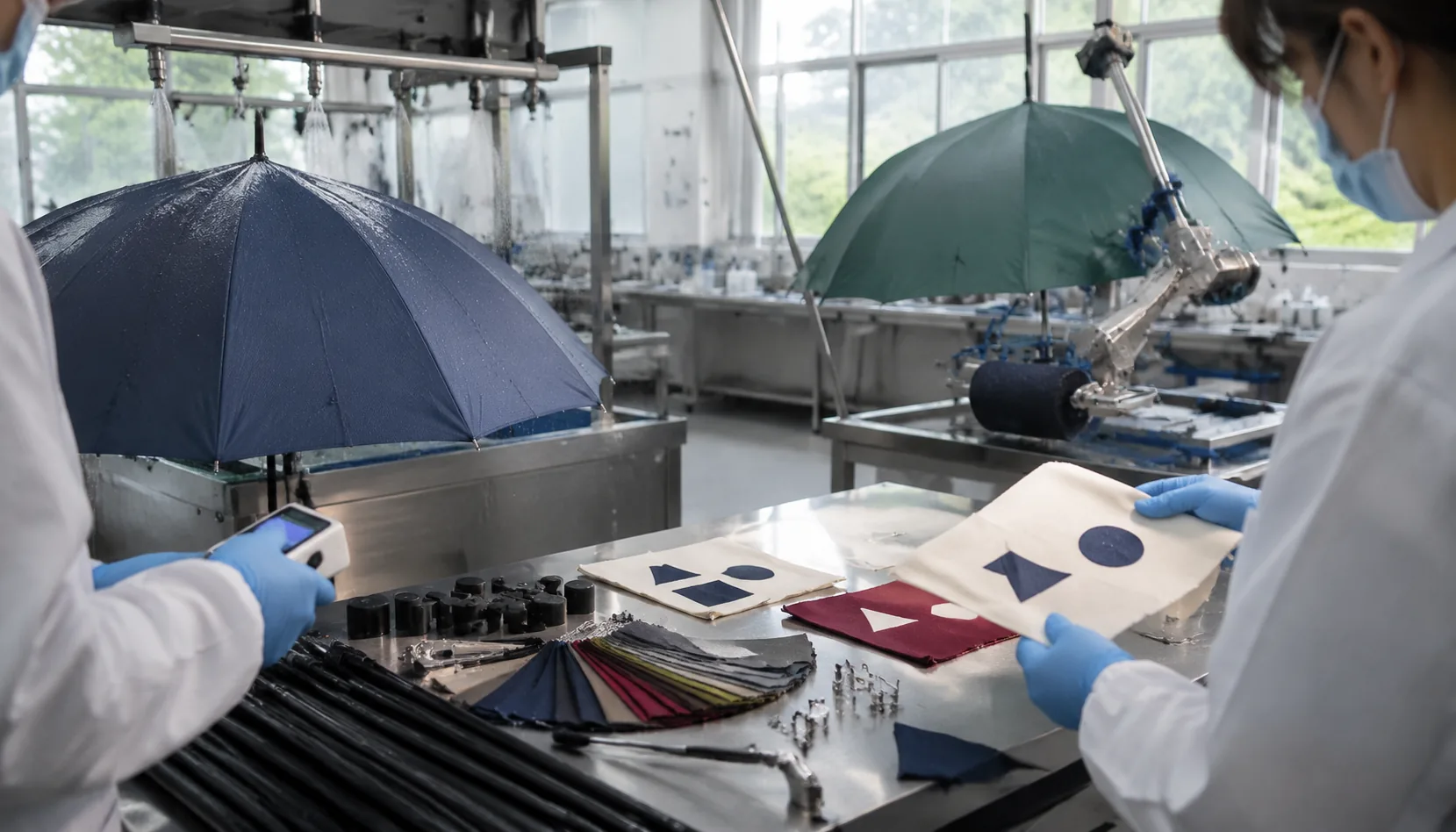
Logo Durability Testing for Branded Umbrella Programs
Plan branded umbrella orders with logo durability checks, AQL 2.5 inspection points, fabric tests, and approval steps be...
Read More »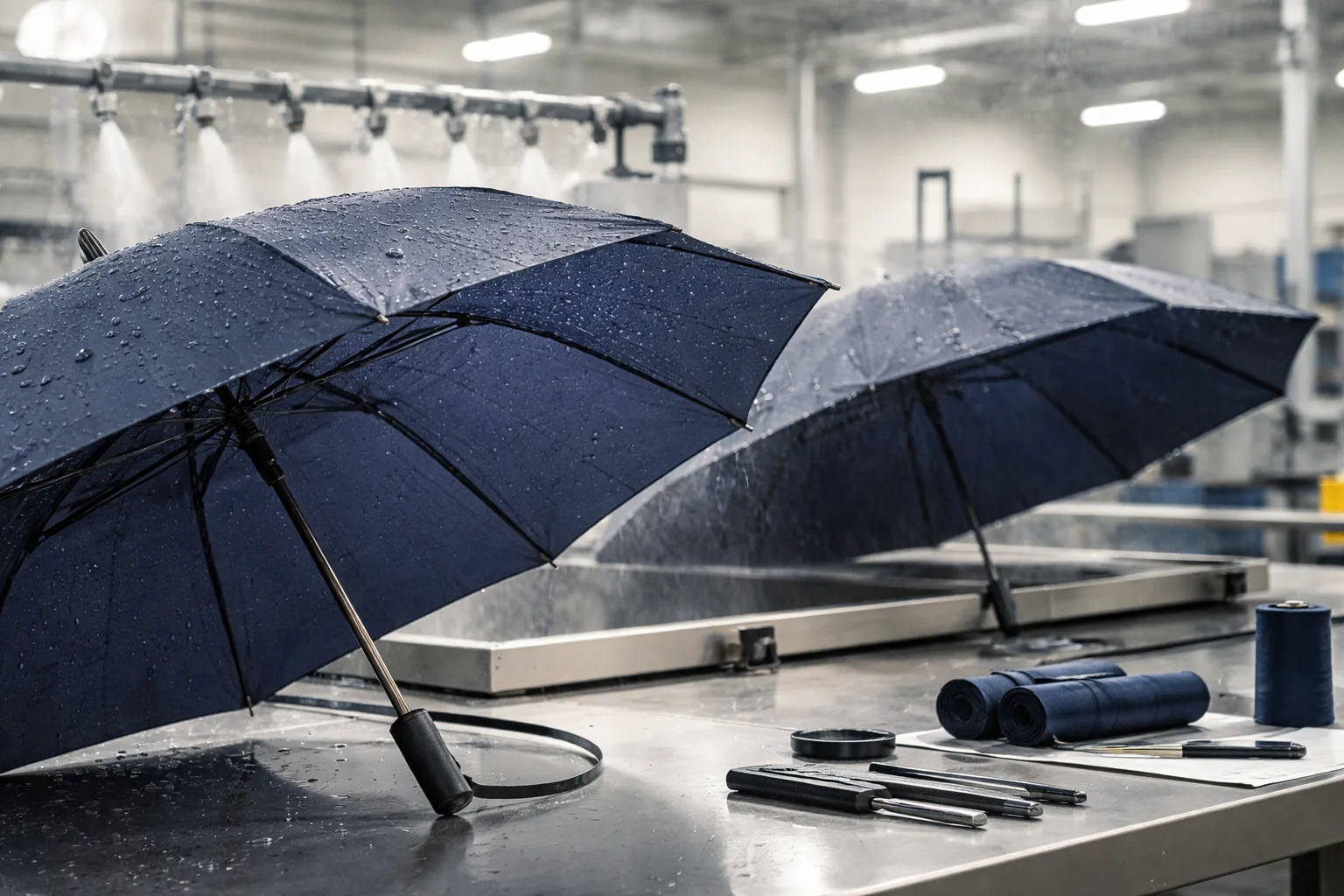
Logo Durability Testing for Branded Umbrella Orders
Build a logo durability test plan for branded umbrella orders, covering adhesion, rub, water, folding, AQL 2.5 checks, a...
Read More »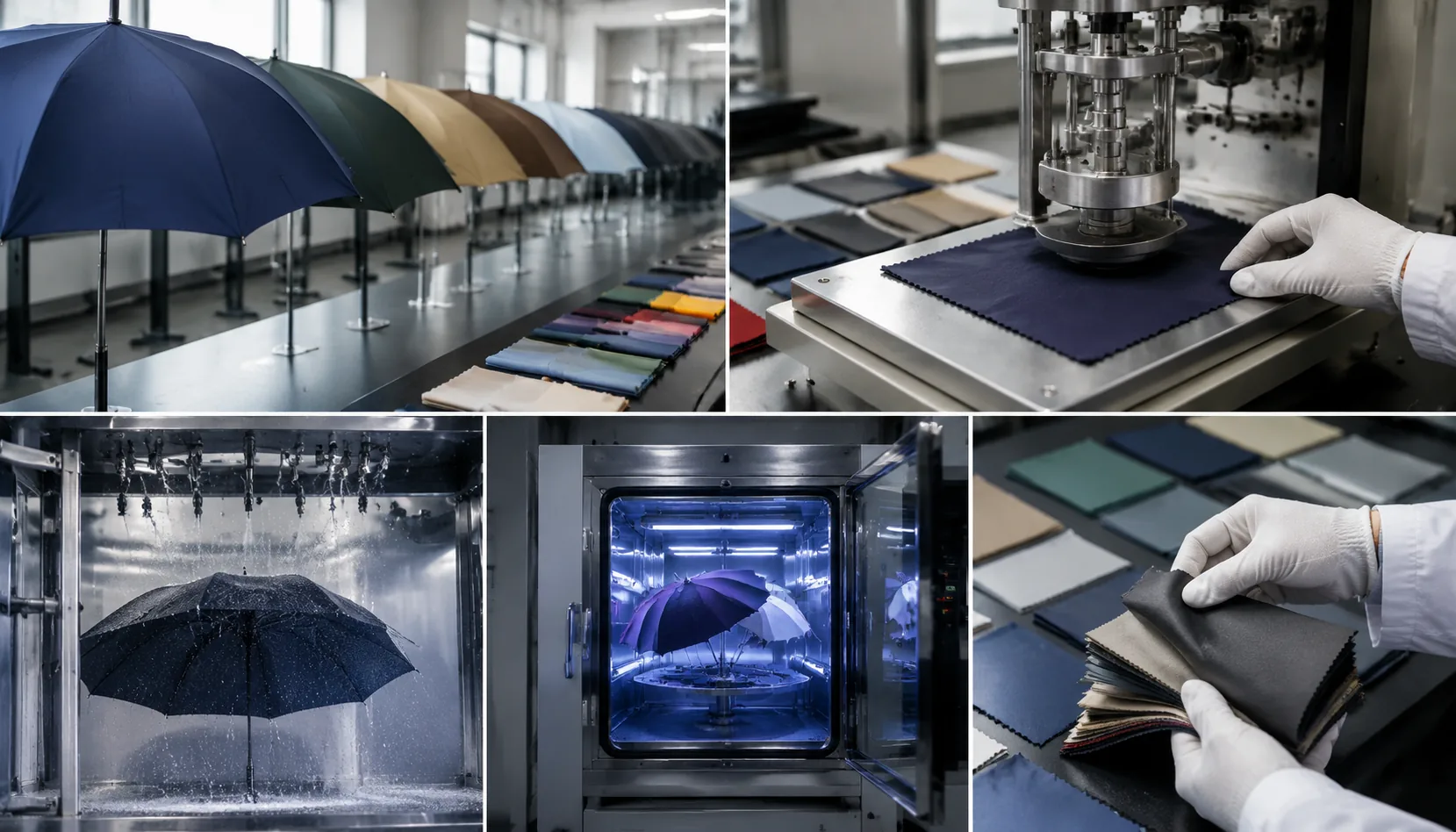
Logo Print Durability Tests for Branded Umbrella Orders
Learn which rub, tape, fold, and wet tests help buyers confirm umbrella logo durability before bulk production and final...
Read More »