Reflective Safety Umbrellas for Commuter Promotions
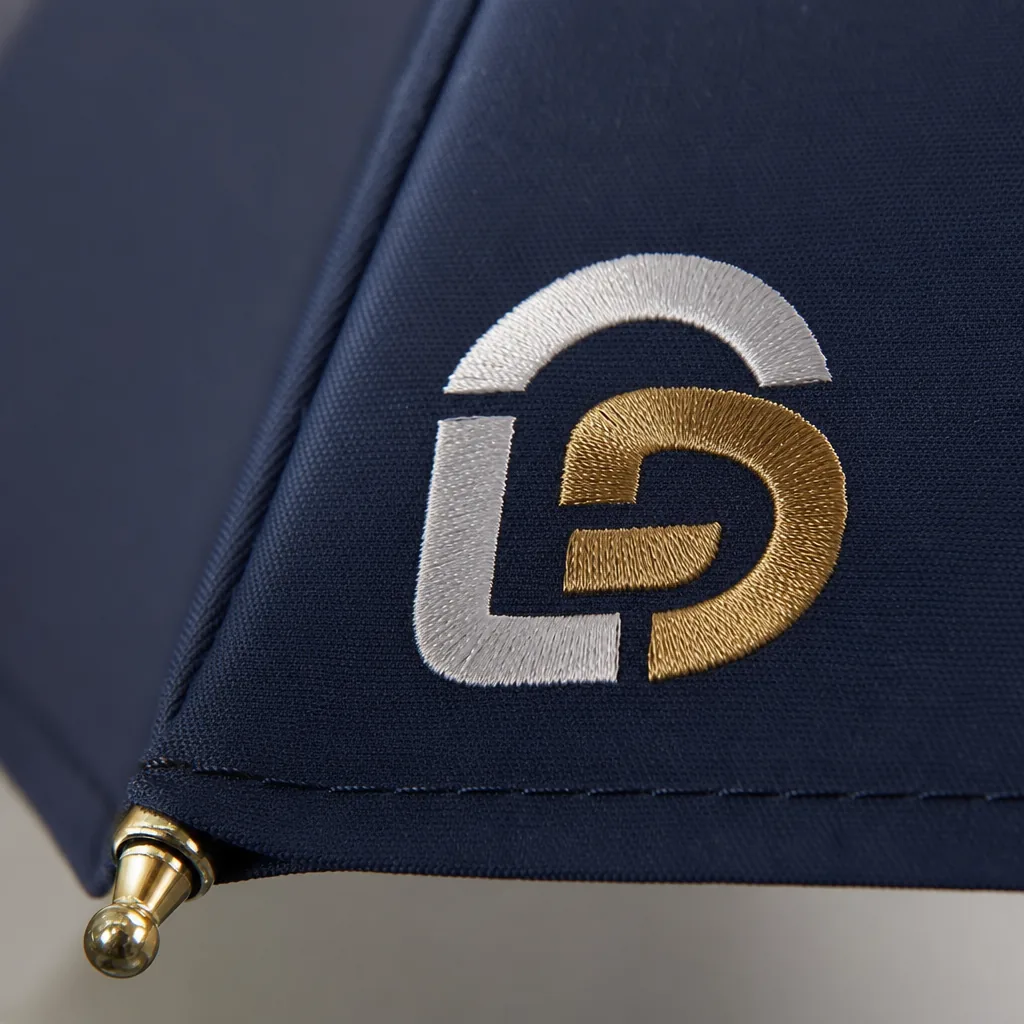
For transit agencies, insurers, and safety campaigns, a commuter umbrella has to do more than carry a logo—it must stay visible in low light, open smoothly at rush-hour speed, and survive repeated use in wind and rain. When buyers source reflective safety umbrellas bulk, the real risk is inconsistent reflective tape, weak rib joints, unsafe coatings, or logo positions that disappear when the canopy is folded. On our Songxia production floor, these details are checked before cutting, stitching, assembly, and final carton packing.
Define the Promotion Environment
The promotion environment decides the umbrella before the artwork does. A transit agency handing out commuter promotional umbrellas at a rainy rail station usually needs a compact 21" or 23" auto-open model that fits a backpack and opens fast at a bus stop. An insurance brand running a road-safety campaign may want a 23" or 27" straight umbrella with a larger reflective logo umbrella panel, because the user becomes a moving roadside sign during dusk pickup, parking-lot walks, and school-zone traffic. Corporate EHS teams buying for shift workers often care less about elegance and more about repeatable visibility: reflective piping on all 8 panels, a high visibility umbrella canopy in fluorescent yellow or orange 190T pongee, and a frame that survives daily gate-to-car use without ribs bending after the first windy week.
For reflective safety umbrellas bulk orders, I push buyers to map the commute path: subway stairs, bicycle racks, factory gates, outdoor parking, and last-mile walking all create different failure points. A 30" golf umbrella gives excellent brand exposure and rain coverage for event staff, but it is awkward on crowded trains. A 21" folding umbrella is easy to distribute in cartons of 50, yet the reflective area is smaller unless the design uses 360-degree edge tape plus a silver heat-transfer logo. If the campaign runs after dark, reflective material placement matters more than logo size; one large logo panel facing the wrong direction will not perform like continuous reflective binding around the canopy edge.
Our standard practice at ZheBrella is to match the safety message with construction specs before quoting FOB or DDP, because cheap safety gift umbrellas can damage the sponsor’s credibility if they flip in moderate wind. For night commute campaigns, I usually recommend fiberglass ribs over thin steel ribs, 8K for compact models and 10K or 16K for larger golf styles, with a double-canopy vent if the program is in coastal or open-campus locations. A 210T pongee canopy with water-repellent coating, reflective tape sewn into the seams, and an AQL 2.5 inspection plan gives better field performance than a PVC novelty umbrella that looks bright but cracks in cold weather. Typical lead time is 25–35 days after artwork approval, longer if custom reflective printing or UPF 50+ coating is required.
Choose Reflective Materials and Placement
Reflective piping is the most reliable upgrade for commuter promotional umbrellas because it stays visible from multiple angles without turning the whole canopy into a novelty item. On a 23" auto-open stick umbrella, we normally run 10-12 mm reflective tape along the outer canopy edge or every other seam; on a 21" folding umbrella, narrower 6-8 mm piping keeps the folded diameter under control. The tape must be caught cleanly in the seam allowance, not simply top-stitched onto finished pongee, or it will peel after wet folding and repeated opening. For reflective safety umbrellas bulk orders, I also check that the added trim does not pull the panel curve flat, because poor canopy tension creates sagging pockets where rain collects instead of running off.
Reflective print panels give more branding area, but they need tighter artwork control than standard one-color screen printing. A reflective logo umbrella usually works best with silver reflective ink or heat-transfer film placed on one or two alternating panels, leaving the main brand mark in a high-contrast solid color such as white on navy, black on fluorescent yellow, or red on silver-gray. Full-panel reflective film can look impressive in samples, but it stiffens 190T pongee and may crack at fold lines on compact auto-open-close models. For orders using 210T pongee with Teflon water-repellent coating, we test adhesion after opening cycles and wet rub, because some reflective transfers bond poorly over hydrophobic finishes unless the process temperature and dwell time are adjusted.
High-visibility umbrella designs should start with canopy color before adding reflective parts. Fluorescent yellow, lime green, orange, and bright royal blue read well in rain, but logo contrast matters more than color alone; a gray logo on yellow disappears under streetlights, while navy or black holds its shape. Safety gift umbrellas for transit agencies, schools, construction suppliers, and night events often use 8K fiberglass ribs with a 23" or 27" canopy because the larger surface area makes reflective placement useful without crowding the logo. Our standard practice at ZheBrella is to keep reflective trims away from rib tips, vent openings, and heavy seam intersections, then inspect seam strength and water runoff before approving reflective safety umbrellas bulk production.
Match Frame Specs to Daily Commuting
For commuter promotional umbrellas, the first decision is folded length versus walking coverage. A 21" or 23" 3-fold auto-open umbrella fits into a backpack or office tote, usually closing to 11–12 inches, so it works well for subway riders who need one-hand deployment at station exits. The weak point is not the canopy fabric; it is the joint stack in the shaft and ribs. I prefer 8K fiberglass or fiberglass-reinforced ribs for compact reflective safety umbrellas bulk orders because they flex when a gust hits between buildings. Cheap steel ribs look straight during inspection, but after repeated wet folding and crowded-train compression, they bend at the stretcher joint and the umbrella starts closing unevenly.
Straight umbrellas are better when the promotion targets walkers, security teams, campus staff, or event marshals who spend more time on exposed sidewalks. A 27" or 30" straight model gives a wider drip line, a stronger single shaft, and more stable rib geometry than a compact 3-fold. For safety gift umbrellas, I would not go below 8K ribs; 10K gives a rounder canopy and smoother load distribution, but it also adds cost and weight. Steel shafts are acceptable for budget programs, but fiberglass ribs with a steel or aluminum shaft are the better middle ground. If the buyer wants a reflective logo umbrella, keep the reflective tape on panel seams or the outer canopy edge so the ink layer does not crack when the fabric is tensioned.
Wind behavior matters most at subway exits, bus stops, and open intersections where air funnels hard. A double-canopy vented windproof umbrella lets pressure escape through the upper layer instead of forcing the frame to invert; on a 23" auto-open compact, that feature is useful, but on a 27" straight umbrella it is much more effective because the frame has fewer folding weak points. Our standard practice at ZheBrella is to pair 190T or 210T pongee with fiberglass ribs for high visibility umbrella projects, then add reflective piping, silver reflective tape, or a reflective transfer logo after canopy sewing. For reflective safety umbrellas bulk programs, ask for a real open-close cycle test, wind-tunnel rating around 50+ mph if claimed, and AQL 2.5 inspection focused on rib alignment, runner locking, reflective adhesion, and wet-fold staining.
Select Fabric, Coating, and Comfort Details
Comfort details are where safety gift umbrellas either get used daily or left in a closet. EVA handles give better grip when hands are wet or gloved, while molded plastic handles are lower cost and easier to color-match for retail or municipal programs. For a compact 21-inch auto-open or auto-open-close model, specify a flat EVA grip with a wrist strap so the user can hold a phone, transit card, or coffee without dropping the umbrella. For 23-inch stick umbrellas, a curved plastic J-handle still works well for office commuters because it hooks onto a bag or chair. The sleeve needs as much attention as the canopy: use a widened sleeve opening, drainage-friendly stitching, and preferably the same reflective strip used on the canopy. A tight sleeve looks neat in photos but frustrates users when the pongee is still wet after a train ride.
Verify Safety and Shipment Quality
For reflective safety umbrellas bulk orders, I would not rely on a bright showroom sample; I would lock the inspection method in the PO. Use AQL 2.5 for major defects and AQL 4.0 for minor appearance issues, with critical defects at zero tolerance. Reflective tape or reflective print should be checked for adhesion by cross-hatch tape test after 24 hours of curing, not immediately after printing. On a 23" auto-open commuter model with 190T or 210T pongee, the reflective strip should stay flat around every panel edge, with no lifting at seams, rib pockets, or folded corners. For a reflective logo umbrella, rub the logo area 20 cycles dry and 10 cycles wet; cracking, silver transfer, or blurred edges should fail. I also ask inspectors to open the canopy under low-angle light because weak reflective ink often looks acceptable indoors but turns patchy when headlights hit it.
Mechanical checks matter as much as visibility, especially for commuter promotional umbrellas handed out at stations, night runs, factories, or campus security events. Every sampled unit should be opened and closed at least five times: manual, auto-open, or auto-open-close mechanisms each have different failure points. The runner lock must engage cleanly without thumb pressure, the spring should not hesitate, and the shaft should not twist under hand load. Rib tips need pull checks because loose plastic tips can tear canopy pockets after only a few uses. For steel ribs, check rust at rivets and plating scratches; for fiberglass ribs, check splinters and uneven resin at the notch. Seam leakage should be tested with a 3-minute spray or drip test over stitched reflective areas, because needle holes beside reflective tape are a common source of returns on a high visibility umbrella.
Bulk distribution problems often start after inspection, so carton verification should be part of the same AQL report. For safety gift umbrellas, each inner carton should match the packing list by color, logo position, sleeve type, and quantity; mixed event batches are where mistakes happen. Master cartons need clear marks showing item number, PO, color, quantity, gross/net weight, carton size, and destination, with barcodes or retail labels scanned when required. Our standard practice at ZheBrella is to add one drop test for export cartons above 12 kg and verify polybag warning text when umbrellas ship to U.S. retail or corporate programs. For FOB Ningbo or Shanghai, carton strength is usually enough at 5-ply K=A; for DDP courier delivery, I prefer tighter individual sleeves and reinforced carton corners because repeated hub handling damages handles, ferrules, and reflective edging before the buyer ever sees the goods.
Frequently Asked Questions
Can reflective printing be combined with a standard logo print?
Yes, many designs use a reflective border or safety icon plus a conventional screen-printed brand logo. The factory should test adhesion and registration on the selected pongee before mass production.
Are reflective umbrellas more expensive than standard promotional umbrellas?
Usually yes, because reflective piping or ink adds material and labor cost. The premium is often manageable if the base frame stays at 8K ribs, 190T pongee, and a standard auto-open mechanism.
What reflective elements work best for commuter promotion umbrellas?
The most common options are reflective tape on the canopy edge, reflective piping, or a reflective logo print. For transit campaigns, edge tape is usually the most visible at night and does not interfere with the main branding area.
What is a typical MOQ for custom reflective safety umbrellas?
Most OEM factories start at 500 to 1,000 pieces per design, depending on canopy color, reflective material, and print complexity. If you need multiple logo versions or packaging types, the MOQ may be higher.
What inspection checks should a buyer request for these umbrellas?
A B2B buyer should ask for frame opening and closing tests, reflective material adhesion checks, print alignment inspection, and water-repellency testing. For bulk orders, pre-shipment inspection on AQL 2.5 is commonly requested.
Looking to Launch Your Custom Umbrella Line?
ZheBrella is a Zhejiang-based OEM/ODM umbrella manufacturer with 17 years of export experience. Free design, low MOQ from 100 pieces, windproof construction, full-color print.
Get Free Quote Now »People Also Search For
Related Articles
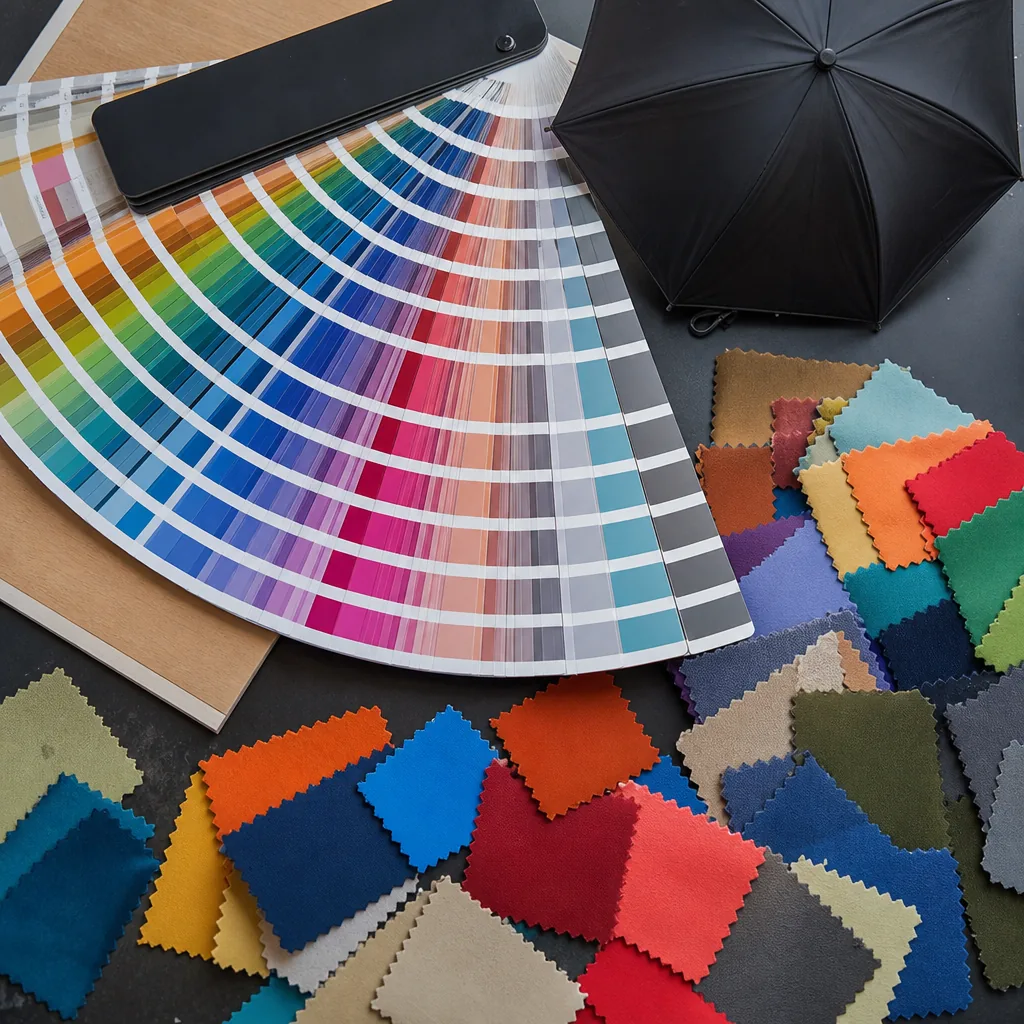
Reflective Umbrellas for Corporate Commuter Safety Programs
Plan reflective branded umbrellas with the right tape placement, canopy fabric, frame strength, MOQ, and inspection poin...
Read More »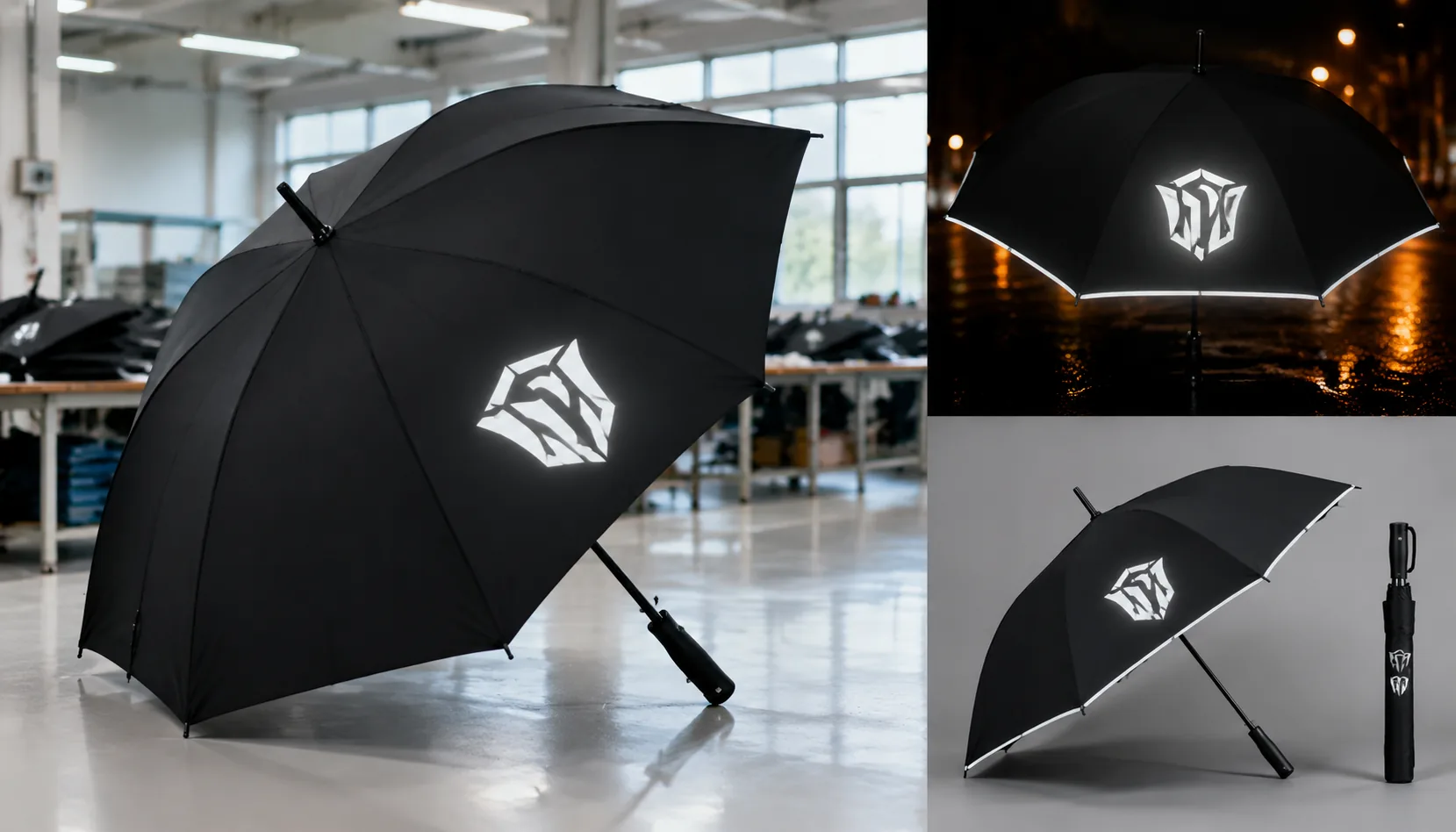
Reflective Umbrella Logos for Night Events and Safety Brands
Use reflective umbrella logos for night events, campuses, and safety brands while balancing visibility, durability, fram...
Read More »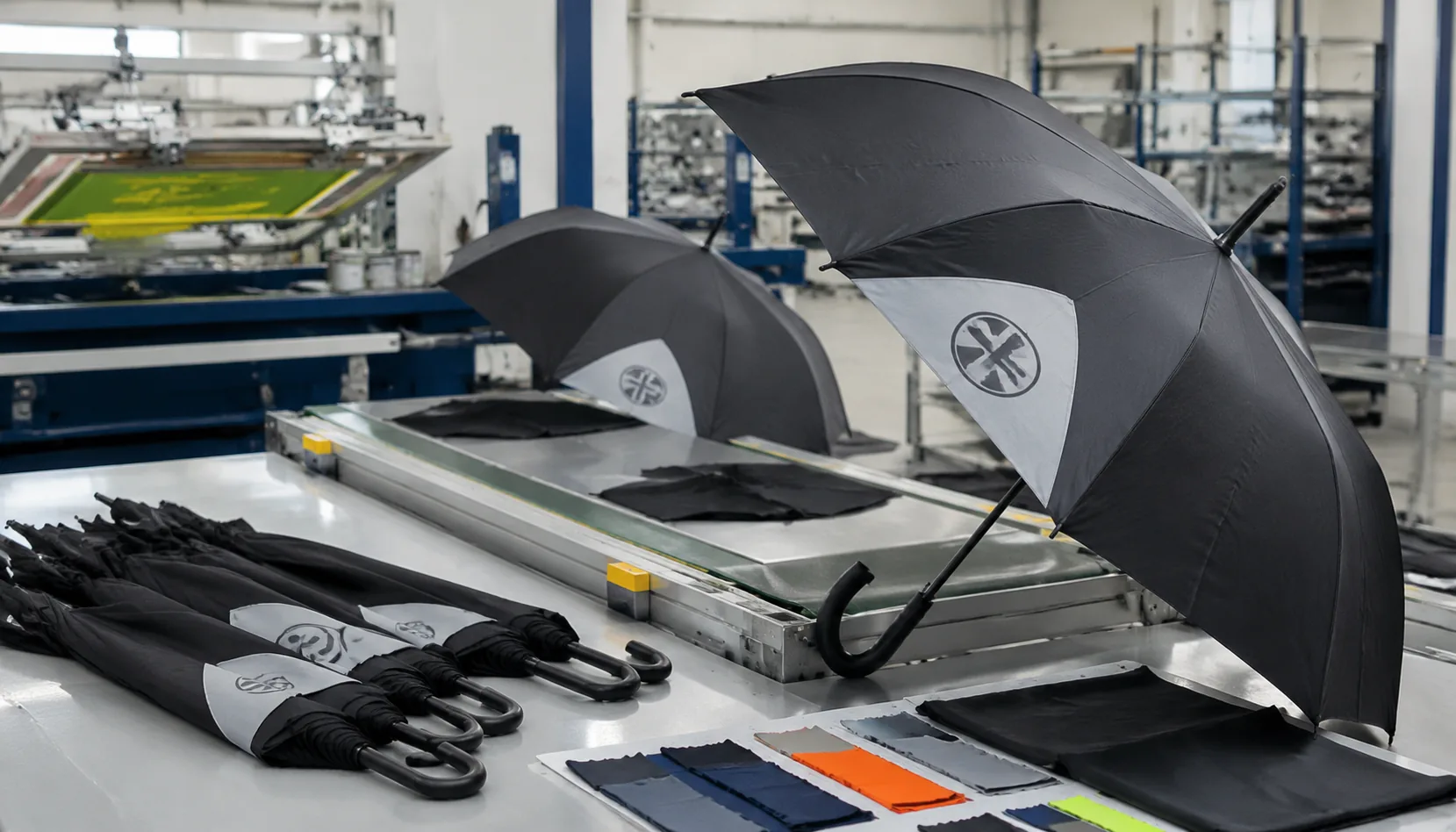
Reflective Logo Printing on Umbrellas for Safety Campaigns
Compare reflective logo placements, ink options, and AQL checks for umbrellas used in safety campaigns, outdoor events, ...
Read More »