Reflective Umbrellas for Corporate Safety Programs
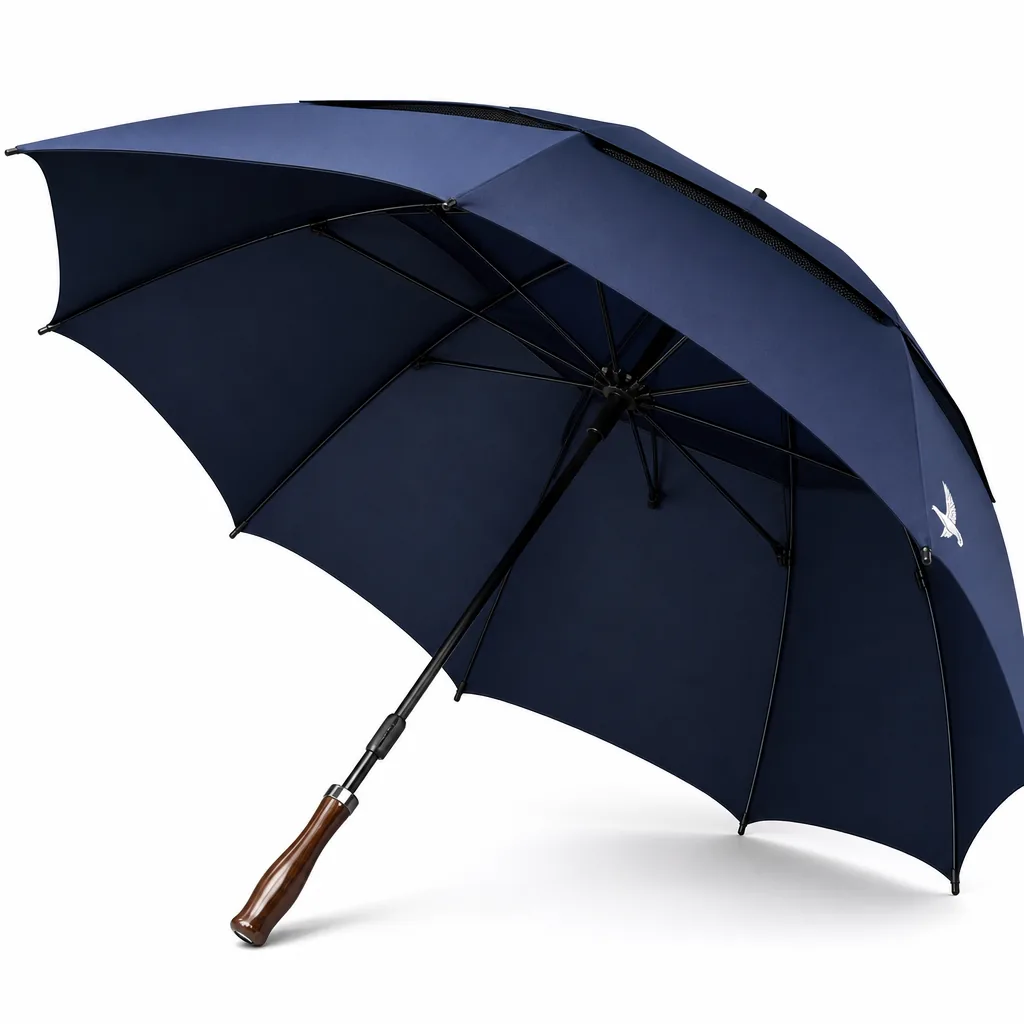
For corporate safety programs, the challenge is not just adding shine to an umbrella; it is making sure visibility, fabric strength, frame durability, and delivery timing all hold up at scale. On our Songxia factory floor, reflective safety umbrellas usually start with 190T pongee, carefully positioned reflective tape, windproof ribs, and clear QC checkpoints so the finished order can meet campaign deadlines without surprises.
When Reflective Umbrellas Fit a Buyer Program
Reflective safety umbrellas make sense when the umbrella is part of a risk-reduction program, not just a giveaway. I see the best fit in employee safety kits for factories, hospitals, warehouses, and utilities where people leave before sunrise or after dark. A 23" or 27" auto-open straight umbrella with 190T pongee, fiberglass ribs, and 3M-style reflective binding on 6 or 8 canopy panels is far more visible at a gate crossing than a normal logo umbrella. For commuter campaigns, the same idea works well at subway exits, bus depots, and corporate shuttle stops, especially when HR wants something practical that employees will actually carry. A compact 21" auto-open-close model is easier for office staff, but for field crews I prefer a 27" or 30" stick umbrella because the larger reflective arc is more visible to drivers.
Logistics teams, campus security, parking attendants, and event marshals are where corporate safety umbrellas justify the higher unit cost. Standard promotional umbrellas usually use printed logos on dark navy or black pongee, which disappear under streetlights and rain glare. A high visibility umbrella should use reflective trim, reflective print panels, or fluorescent yellow/orange canopy sections with black contrast, similar to ANSI safety-color logic even if the umbrella itself is not certified PPE. For campus security or night patrols, we usually specify 8K or 10K fiberglass ribs, a steel shaft for rigidity, and a double-canopy vented windproof build if the site is exposed. In wind-tunnel checks, a properly tensioned 27" fiberglass frame can survive 50+ mph gusts better than cheap steel-rib promo umbrellas that invert once and stay bent.
Insurance promotions and municipal road-safety campaigns are another strong use case because perceived value matters. Custom reflective umbrellas feel like a safety product, so recipients connect the sponsor with protection, not clutter. For OEM safety umbrellas, buyers should decide early whether they need reflective binding only, heat-transfer reflective logos, full-panel sublimation graphics, or POE/PVC clear panels for traffic visibility. Each choice affects MOQ, lead time, and inspection risk: reflective tape needs clean stitching tension, while reflective ink needs rub and adhesion checks after curing. Our standard practice at ZheBrella is to inspect reflective alignment, canopy symmetry, open-close function, and water repellency under AQL 2.5 before FOB or DDP shipment. For most corporate safety umbrellas, a realistic production lead time is 25-35 days after artwork approval, longer if custom molds or multiple reflective materials are involved.
Canopy Fabric, Coatings, and Visibility Details
For reflective safety umbrellas, I usually start with 190T or 210T pongee, not cheap polyester taffeta. 190T pongee is adequate for promotional runs where weight and cost matter, especially on 23" auto-open straight umbrellas or 21" folding models. 210T pongee has a tighter hand, better water shedding after Teflon treatment, and less show-through when printing white or safety yellow logos on black or navy canopies. Black hides dirt from jobsite use; navy looks more corporate and still gives strong contrast against silver tape. If the program includes daytime outdoor work, add UV coating to reach UPF 50+, but confirm whether the buyer wants a silver-coated underside, black UV coating, or a clear UV finish because each one changes the interior look and heat feel.
Reflective tape width is not decoration; it decides how visible the umbrella is at night and how much logo space remains. The common widths are 10 mm, 15 mm, and 20 mm silver reflective tape, with 15 mm being the best balance for corporate safety umbrellas. Wider 20 mm tape catches headlights faster, but it eats into the print zone on each panel, especially on 8K frames where every panel is narrower. Panel-edge piping gives a clean high visibility umbrella outline when the user is walking, while tape placed 40-60 mm above the canopy edge is more visible from vehicle height. For custom reflective umbrellas with big front-panel logos, I prefer piping plus a single lower arc of reflective tape rather than crossing the center print area.
Tape placement must be locked before artwork approval, not after sampling. Screen printing over reflective tape is a bad idea because ink cracks and reduces reflectivity; heat-transfer logos can sit near tape, but we normally keep at least 8-10 mm clearance to prevent lifting during pressing. On 10K or 16K umbrellas, narrower panels make continuous circular tape harder to align, so tolerance should be written into the spec, usually plus or minus 2 mm at panel seams. Our standard practice at ZheBrella is to mark reflective tape position on the panel cutting template before bulk sewing, then inspect finished OEM safety umbrellas under both workshop light and a flashlight test from 20-30 meters. That catches crooked piping, dull tape, and logo conflicts before AQL 2.5 final inspection.
Frame Specs for Daily Commuter Use
For daily commuter programs, fiberglass ribs are the safer default than painted steel because they flex under gust load instead of taking a permanent bend. On a 23" or 27" walking umbrella, I usually specify 8K fiberglass ribs with a steel center shaft for standard corporate safety umbrellas; that balance keeps the frame stable without pushing the unit weight too high for subway, parking-lot, or plant-gate use. Steel ribs can look cheaper on paper, but once the paint film gets scratched, salt spray and wet storage start corrosion quickly. That is why reflective safety umbrellas used every day should be built around fiberglass ribs, especially when the canopy has heavier reflective tape or silver-coated panels.
Rib count should match the exposure level, not just the buyer’s budget. An 8K frame is enough for most office-campus and warehouse-commute orders, while 10K gives a little more canopy control on larger 27" models. For premium wind resistance, I would move to 16K fiberglass ribs with reinforced stretcher joints and a slightly thicker runner, especially for security teams, logistics yards, ports, and roadside crews. A proper 16K double-canopy vented design can survive 50+ mph wind-tunnel testing when the sewing tension is correct; a cheap 16K frame with loose canopy fitting will still invert. Our standard practice at ZheBrella is to check rib symmetry and runner lock strength before canopy assembly, not after final packing.
Auto-open is worth specifying for OEM safety umbrellas because commuters often carry a badge, tool bag, lunch bag, or phone when entering a site. A 23" auto-open straight umbrella works well for most high-volume orders, while 27" and 30" sizes need stronger springs and better shaft wall thickness to avoid a harsh open shock. For exposed sites, pair the auto-open mechanism with a double-canopy windproof structure so air can vent through the top layer instead of flipping the umbrella inside out. If the order includes custom reflective umbrellas with 190T or 210T pongee, reflective binding, or heat-transfer safety logos, confirm the added canopy weight during pre-production sampling because it changes how quickly the frame opens and how cleanly the runner locks.
Branding, Packaging, and Compliance Checks
Branding on reflective safety umbrellas has to start with a print map, not with the logo file. The reflective tape, reflective piping, or silver transfer panels are the safety feature, so I do not allow artwork to cross those zones unless the buyer signs off on reduced visibility. For corporate safety umbrellas, the cleanest layout is usually one or two 23-inch or 27-inch panels printed on 190T or 210T pongee, with the opposite panels left open for reflective strips. Screen printing works for 1- to 3-color logos, heat transfer gives sharper edges on gradients, and sublimation is better only when the whole canopy design is planned before cutting. Sleeves can take a vertical logo, straps can carry a woven or printed label, and handles can be pad printed or laser marked depending on ABS, EVA, rubberized, or wood-grain material. Our standard practice at ZheBrella is to keep at least 8-10 mm clearance between artwork and reflective tape edges to avoid ink contamination during curing.
Packaging needs the same discipline as canopy production because safety-program buyers usually distribute by site, department, or event team. Individual sleeves should match the umbrella size and mechanism: a compact 21-inch auto-open-close unit needs a snug sleeve with a pull tab, while a 27-inch golf umbrella needs a wider sleeve that does not scrape reflective piping during packing. Barcode labels can go on the sleeve polybag, hangtag, or handle wrap; for retail or corporate issue, I prefer the sleeve label because it remains visible after carton opening. Carton marks should show PO number, item code, color, quantity, gross/net weight, carton size, and destination if shipping FOB Ningbo/Shanghai or DDP to multiple warehouses. For custom reflective umbrellas, inner carton dividers are worth adding when handles are coated or when metal tips could rub printed panels. A typical export carton holds 24-36 straight umbrellas or 48-60 folding umbrellas, but reflective tape thickness can reduce loading slightly.
Compliance checks should be written into the QC checklist before mass production, not argued about during final inspection. For OEM safety umbrellas, we normally use AQL 2.5 for major defects and inspect tape adhesion, print alignment, barcode accuracy, sleeve fit, carton marks, and mechanism function. Reflective tape should not lift after hand rubbing or light bend testing along seam lines; poor adhesion usually comes from coating residue, low press temperature, or rushing the curing window. Print alignment tolerance should be defined in millimeters, especially when a logo sits near a panel seam or strap. Every high visibility umbrella should also be opened and closed through enough cycles to catch weak springs, loose runners, crooked ribs, and auto-open failures. On vented double-canopy models, inspectors must check that the upper canopy does not cover the reflective band when the umbrella flexes in wind. For reflective safety umbrellas used in construction, utilities, logistics, or campus security, these checks matter more than a perfect carton photo.
MOQ, Lead Time, and Freight Planning
For reflective safety umbrellas, the realistic MOQ depends less on the umbrella body and more on the reflective component. If we are applying standard silver reflective tape to a common 23" or 27" 190T pongee canopy, many factories can start around 500–1,000 pieces per design. Once the buyer asks for custom tape width, segmented tape layout, color-matched reflective material, or tape placed across every panel seam, the practical MOQ often moves to 1,500–3,000 pieces because the tape supplier, cutting jig, and sewing line all need dedicated setup. For OEM safety umbrellas with a 16K fiberglass frame, double-canopy venting, or UPF 50+ coating, I would budget higher because the frame and canopy are no longer standard stock combinations.
Sampling usually takes 7–10 days for a standard high visibility umbrella with stock reflective tape and a printed logo, but 12–18 days is more honest when reflective tape color, heat-transfer logos, EVA/PVC window panels, or retail packaging mockups are involved. Bulk lead time is commonly 25–35 days after sample approval and deposit for 500–2,000 pieces; larger corporate safety umbrellas in the 5,000–10,000 piece range normally need 35–50 days, especially during April–August peak umbrella season in Shangyu. Our standard practice at ZheBrella is to lock the frame spec first—steel shaft, fiberglass ribs, 8K/10K/16K count, manual or auto-open—then confirm canopy cutting and tape placement before printing, because changing tape position after panel cutting wastes fabric and delays sewing.
FOB Ningbo or Shanghai makes sense when the buyer already has a forwarder, is consolidating other promotional goods, or wants tighter control over ocean freight and import clearance. DDP is better for safety managers, event planners, and distributors who need landed pricing to one warehouse or multiple job sites, but it requires finished carton dimensions, HS code confirmation, and packaging decisions early. Retail boxes, hang tags, barcode labels, and AQL 2.5 inspection add time because cartons cannot close until every accessory is approved. For custom reflective umbrellas with tight launch dates, I recommend approving a pre-production sample before booking freight; otherwise, one late packaging artwork file can push a 30-day production plan into 40+ days. Air freight is possible for urgent reflective safety umbrellas, but the cost can exceed the umbrella value on 27" golf sizes, so split shipment is usually smarter.
Frequently Asked Questions
Can reflective tape be added to any umbrella model?
Usually yes, but the best results come from straight, golf, and 3-fold commuter umbrellas with clean panel edges. Dome and novelty shapes need extra testing because curved seams can wrinkle reflective tape.
Does reflective tape affect umbrella waterproofing?
It can if stitching is poorly sealed, so buyers should request water-leak testing along taped seams. For premium programs, specify seam sealing or reinforced stitching in the pre-production sample.
Where should reflective tape be placed on a corporate safety umbrella?
Common placements include reflective strips along the canopy edge, on alternating panels, or around the lower canopy perimeter for 360-degree visibility. For roadwork or plant safety programs, buyers often specify 2–4 cm wide reflective tape on 4 or 8 panels.
What is a typical MOQ for custom reflective safety umbrellas?
For OEM reflective umbrellas with custom logo printing, a practical MOQ is usually 500–1,000 pieces per design. Higher MOQs may apply for custom canopy colors, special reflective tape, or private-label packaging.
What QC checks are important for reflective umbrellas?
Key checks include reflective tape adhesion, logo print accuracy, canopy waterproofness, frame opening/closing function, windproof rib strength, and carton drop testing. For 190T pongee models, buyers should also confirm fabric density, coating consistency, and color matching before bulk production.
Looking to Launch Your Custom Umbrella Line?
ZheBrella is a Zhejiang-based OEM/ODM umbrella manufacturer with 17 years of export experience. Free design, low MOQ from 100 pieces, windproof construction, full-color print.
Get Free Quote Now »People Also Search For
Related Articles
Reflective Safety Umbrellas for Corporate and Campus Programs
Specify reflective safety umbrellas with strip placement, canopy fabric, rib materials, print methods, and inspection ch...
Read More »
Reflective Safety Umbrellas for Corporate and Event Programs
Specify reflective umbrellas for safety campaigns with the right fabric, rib strength, print areas, visibility details, ...
Read More »
Reflective Safety Umbrellas: Specs for Night Visibility
Learn how to specify reflective safety umbrellas with visible trim, durable frames, compliant printing, MOQ planning, an...
Read More »