Repeat Umbrella Reorders Without Branding Drift
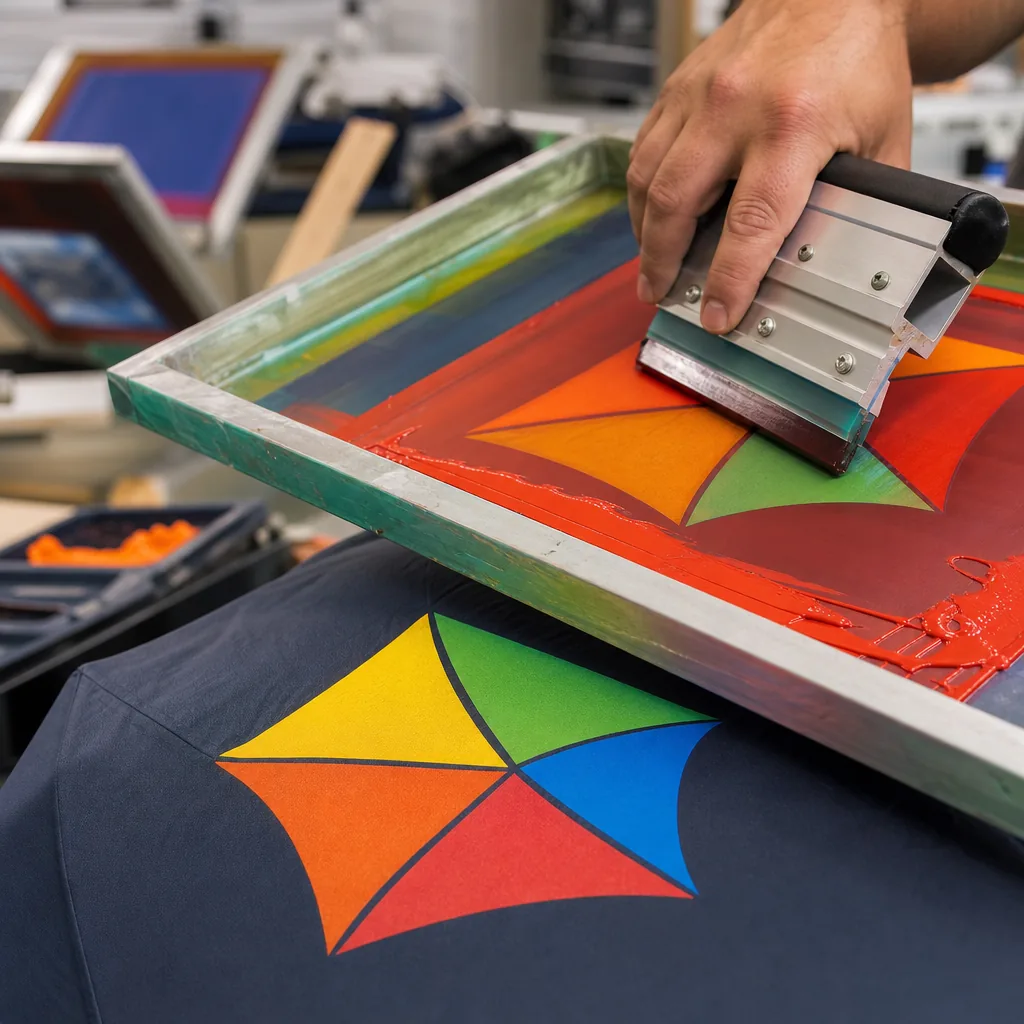
Repeat branded umbrella orders often look simple on the PO, then drift in print scale, Pantone match, canopy hand feel, or frame spec once a factory rebuilds the job from incomplete records. On our Songxia production floor, the reorders that stay consistent are the ones locked to approved strike-offs, panel layout files, material codes, and checkpoint samples before fabric cutting, printing, and final assembly begin.
- 1. Why umbrella branding drifts between first orders and reorders
- 2. Lock the commercial and technical baseline after first approval
- 3. Use golden samples and inspection standards for every repeat PO
- 4. Plan MOQs, replenishment timing, and shipping terms around continuity
- 5. Create a reorder workflow that shortens lead times without skipping approvals
Why umbrella branding drifts between first orders and reorders
Branding drift in repeat branded umbrella orders usually starts before cutting and sewing: the first PO was approved, but the production spec was never frozen. A launch order may use 190T pongee from one dye lot, then a reorder 60 to 90 days later shifts to 210T from a different mill because the original fabric is unavailable. Both are polyester pongee, but they do not print or feel the same. On solid panels, a Pantone red can read warmer, darker, or slightly duller in daylight; on full-panel sublimation, black density, gradient smoothness, and fine line definition can move enough to be visible side by side. Coating changes amplify the gap. If the first run used 190T with a Teflon finish and the reorder moves to 210T with a UV coating, the canopy will usually feel stiffer, show more gloss, and hold ink differently even when the artwork file is unchanged. That is a common cause of weak umbrella reorder consistency: the buyer approves a digital mockup, but the approved sample did not lock fabric weight, coating, print method, and color target for future production.
The second failure point is substitution. Handles, tips, ferrules, hook-and-loop straps, and sleeves are often changed when the original accessory supplier drops a mold, plating color, zipper, or webbing width. Even a small swap, such as matte black ABS to glossy PP, can make the same umbrella look cheaper in hand. Frame changes are more obvious. Moving from a full steel shaft-and-rib frame to a steel shaft with fiberglass ribs can improve flex and wind performance on a 23 inch or 27 inch auto-open umbrella, but it also changes weight, rebound, opening sound, and the product’s perceived quality tier. Artwork drift adds more risk: a revised logo file, a spot-color design converted to CMYK, or art resized from a 30 inch golf umbrella to a 21 inch compact can alter stroke weight, trapping, and navy tone. If the factory also changes, screen mesh, heat-transfer settings, and registration tolerance change with it. A controlled OEM reorder process should lock the artwork version, Pantone reference, panel placement, fabric spec, frame material, and accessory list, then verify against the approved sample under AQL 2.5 before FOB or DDP shipment.
Lock the commercial and technical baseline after first approval
After the first shipment is approved, turn it into a frozen reorder control file; a PO number and a few sample photos will not protect repeat branded umbrella orders. The file needs the approved vector artwork, Pantone references, print method, and a print map that fixes panel location, print size in millimeters, orientation, bleed, and which panels stay blank. It also needs the full canopy specification: 190T or 210T pongee, or white polyester if sublimation was approved; canopy color code; any Teflon finish; and any UV requirement, including UPF 50+ where applicable. This is where logo color consistency umbrellas usually fail. A photo cannot tell the next production run whether the approved logo was screen printed on 190T pongee, heat transferred on 210T pongee, or sublimated before assembly, and each method changes color match, edge definition, and unit cost. Locking those details in the OEM reorder process reduces approval time, limits avoidable sampling, and gives purchasing a usable baseline for cost and lead-time control.
Freeze the hardware with the same discipline as the artwork, because umbrella reorder consistency breaks down when factories substitute frame parts without documenting the change. The control file should state the approved size, such as 21", 23", 27", or 30"; rib count, such as 8K, 10K, or 16K; single-canopy or double-canopy construction; fiberglass or steel ribs; shaft material and thickness; and whether the umbrella is manual, auto-open, or auto-open-close. If the approved build is auto-open, record the exact mechanism type, including the spring and runner setup, so opening force and cycle life do not drift. Lock the handle shape, material, finish, wrist strap, top cap, tips, sleeve construction, packing method, carton quantity, carton marks, barcode labels, and any shipper, PO, destination, or made-in-China wording. Keep one signed golden sample linked to the file and inspect each reorder to AQL 2.5 against the frozen BOM before FOB or DDP shipment. That is the practical core of umbrella quality control: fewer quiet substitutions, lower compliance risk, and more reliable 30-45 day lead times once MOQ and components are fixed.
Use golden samples and inspection standards for every repeat PO
For repeat branded umbrella orders, treat the approved sample as the production standard, not a photo or an old bulk unit. Keep one sealed golden sample on the buyer side and require the factory to hold a matching counter-sample in a labeled carton showing PO date, fabric code, frame code, print method, and Pantone callout. Tie every repeat PO to that sample in writing: 190T or 210T pongee, POE canopy where used, fiberglass or steel ribs, shaft finish, handle mold, tip shape, and logo placement by panel. That removes the usual source of umbrella reorder consistency problems: line operators matching to memory or to the last carton opened. For logo color consistency umbrellas, visual approval under warehouse lighting is not enough. Specify the reference method up front: Pantone Solid Coated, an agreed LAB tolerance, or a signed wet-print strike-off for sublimation or heat transfer, checked under a D65 light box. The point is simple: before shipment, the bulk lot must match the sealed sample and the written spec, or the factory is inspecting against opinion instead of a control standard.
AQL 2.5 is still the practical umbrella quality control baseline for repeat orders, but only if the checkpoints are measurable. Set logo position from fixed points such as panel seam to logo edge and canopy skirt to logo baseline; for most promotional programs, +/-5 mm is workable, while retail programs often hold +/-3 mm. Define function checks the same way. Manual runners must lock without sticking, auto-open springs must open fully in one motion, and auto-open-close shafts must retract without excessive force or visible misalignment after repeated cycling. The OEM reorder process should also pull pre-shipment function samples from each assembly batch, not rely only on final carton inspection. Structure checks need separate standards for 8K and 16K frames. On 8K styles, especially 23 inch, 27 inch, and 30 inch umbrellas, focus on rib straightness, stretcher joints, top-notch fit, and canopy centering; even 2-3 mm of runner misalignment can distort panel tension. On 16K frames, narrower panels make seam accumulation, panel symmetry, and logo rotation the higher-risk defects, so use a separate golden sample and measurement sheet rather than one shared tolerance table.
Plan MOQs, replenishment timing, and shipping terms around continuity
The biggest mistake in repeat branded umbrella orders is treating a 300-piece top-up as if it will automatically match an earlier 3,000-piece run. It usually does not. If the first PO did not reserve canopy fabric, handle color, tips, plastic trims, and carton specs, the factory may need a fresh dye lot or combine stock from two batches. That is where umbrella reorder consistency fails. With pongee, 190T and 210T do not print or feel the same, but the more common problem is tighter: two 190T rolls can both pass visual review alone and still shift under daylight because the dye lot changed. Clear POE, EVA, or PVC canopies have the same issue; tint and transparency can move by batch. To hold logo color consistency umbrellas over a 6- to 12-month program, reserve greige fabric or finished rolls, approve a signed Pantone shade master, and define the minimum repeatable lot for each component, not just the finished umbrella MOQ. That reduces substitutions, mixed lots, and color drift before the reorder enters production.
MOQ is set by components as much as by the finished umbrella. A factory may accept a 300- or 500-piece replenishment, but upstream minimums are often higher: steel stretchers at 1,000-set runs, molded handles at 2,000 pieces per color, and custom woven labels or belly bands at 3,000 to 5,000 units. Build that into the OEM reorder process from the first order. For example, a continuity program might open with 3,000 units of a 23-inch 8K auto-open umbrella with fiberglass ribs and 190T pongee, while reserving fabric and trims for one or two repeat runs of 500 to 1,000 pieces. Lock the frame gauge, shaft finish, runner color, handle mold code, print method, and approved shade sample, then inspect repeats to AQL 2.5 against that master. Book replenishment 30 to 45 days before stockout; in peak rain season or pre-holiday capacity, even a repeat SKU can still require 35 days, not 15.
Shipping terms should reflect the cost of missing the selling window. FOB Ningbo fits planned replenishment when demand is stable, the buyer is consolidating cargo, and the program can absorb 25 to 35 days of production plus 18 to 35 days of ocean transit. DDP makes more sense for urgent retail, event, or distributor inventory gaps, even at a higher landed cost, because late stock usually costs more than premium freight. A 500-piece reorder of 21-inch folding umbrellas or 27-inch golf umbrellas may move through production quickly, but that advantage disappears if ocean transit pushes delivery past the event date or retail reset. The practical model is to run the base program on FOB for margin control, then pre-approve DDP air or air-plus-express once inventory hits a defined trigger point. That lowers the risk of rushed substitutions, mixed cartons, and partial shipments that undermine umbrella quality control.
Create a reorder workflow that shortens lead times without skipping approvals
For repeat branded umbrella orders, the fastest workflow is to lock the last approved production run as the control spec and reapprove only the fields that commonly drift: Pantone callouts, logo size and placement, fabric lot, handle plating, and carton marks. Start the OEM reorder process from the approved BOM, archived AI/PDF artwork, and master sample, not an old email thread. Confirm the umbrella size first, because a 21 inch 3-fold auto-open-close, 23 inch straight auto-open, and 27 inch golf umbrella each change frame geometry, canopy area, and logo balance. On a true repeat with no change to size, frame, canopy fabric, print method, or packing spec, you can usually waive a new counter sample and move straight from PO confirmation to materials reservation. What should never be waived is the artwork check against the archived file and approved color standard; that is the simplest control for logo color consistency umbrellas before fabric cutting starts.
Materials reservation is where umbrella reorder consistency is either protected or lost. A switch between 190T and 210T pongee changes ink absorption, and a move from screen printing to heat transfer or sublimation changes edge definition, saturation, and Pantone accuracy, especially on dark canopies. The same applies to POE or PVC clear umbrellas, where resin batch variation can affect clarity, print adhesion, and cold-crack performance. If the reorder keeps the same canopy fabric, rib material, and opening mechanism, the factory can usually reserve the same steel or fiberglass frame set and keep lead time near 25 to 35 days. If color, coating, or print method changes, require a pre-production sample even on a repeat order; it is the lowest-cost stage to catch warm red shift, white underbase show-through, or a Teflon or UPF 50+ finish muting the print after curing. After sample approval, keep umbrella quality control intact: in-line QC should verify panel orientation, seam registration, runner travel, spring action, and stitching, and final inspection should stay at AQL 2.5 with barcode, carton, and drop checks before FOB or DDP shipment release. Repeats can skip redundant approvals, but they should not skip the controls that prevent branding drift and mixed components.
Frequently Asked Questions
Do I need a new pre-production sample for every umbrella reorder?
Not always. If artwork, fabric, frame, and trims are unchanged and a sealed sample exists, many buyers skip a new sample and rely on in-line photos plus final inspection, but any material substitution should trigger a new approval.
How can I avoid color drift on repeat umbrella orders placed months apart?
Use the same approved fabric specification, keep a physical sealed sample, and require the factory to match against the original color reference before bulk cutting. Reserving material or forecasting repeat volume also reduces the risk of dye-lot changes.
What documents should a buyer lock before placing a repeat umbrella order?
Use a reorder pack with the approved pre-production sample reference, Pantone codes, logo size and placement measurements, panel fabric code, frame and handle specs, packaging layout, and QC tolerances. Buyers that approve against this single master file reduce avoidable variation and speed up reorder confirmation to 24-72 hours.
How much variation is usually acceptable between umbrella production batches?
For repeat OEM programs, many buyers set color tolerance at about Delta E 2.0-3.0 for printed logos and require placement tolerance within plus or minus 3-5 mm, depending on canopy size and print method. Critical trims such as handles, tips, and straps should be tied to signed reference samples or exact material codes to avoid subjective batch-to-batch changes.
Can a factory keep branding consistent if the reorder quantity is smaller than the first order?
Yes, but smaller runs can limit access to the exact dye lot, coating batch, or trim inventory used previously. A practical workaround is to reserve bulk fabric or key components after the first order, or set a minimum reorder quantity such as 500-1,000 pieces per colorway to improve matching and keep unit cost stable.
Looking to Launch Your Custom Umbrella Line?
ZheBrella is a Zhejiang-based OEM/ODM umbrella manufacturer with 17 years of export experience. Free design, low MOQ from 100 pieces, windproof construction, full-color print.
Get Free Quote Now »People Also Search For
Related Articles

Colorfast Logo Printing for Branded Umbrella Canopies
Reduce logo fading, bleeding, and transfer issues by matching ink, fabric, coating, and QC tests before branded umbrella...
Read More »
Color Consistency Across Umbrella Branding Programs
Build repeatable umbrella branding with controlled canopy colors, trim rules, and approval steps that keep retail and co...
Read More »Logo Size and Repeat Strategy for Branded Umbrella Orders
Plan logo scale and repeat on branded umbrellas with practical size ranges, panel limits, sampling steps, and cost impac...
Read More »