Retail Umbrella Line Planning: Specs, SKUs, and Factory MOQs
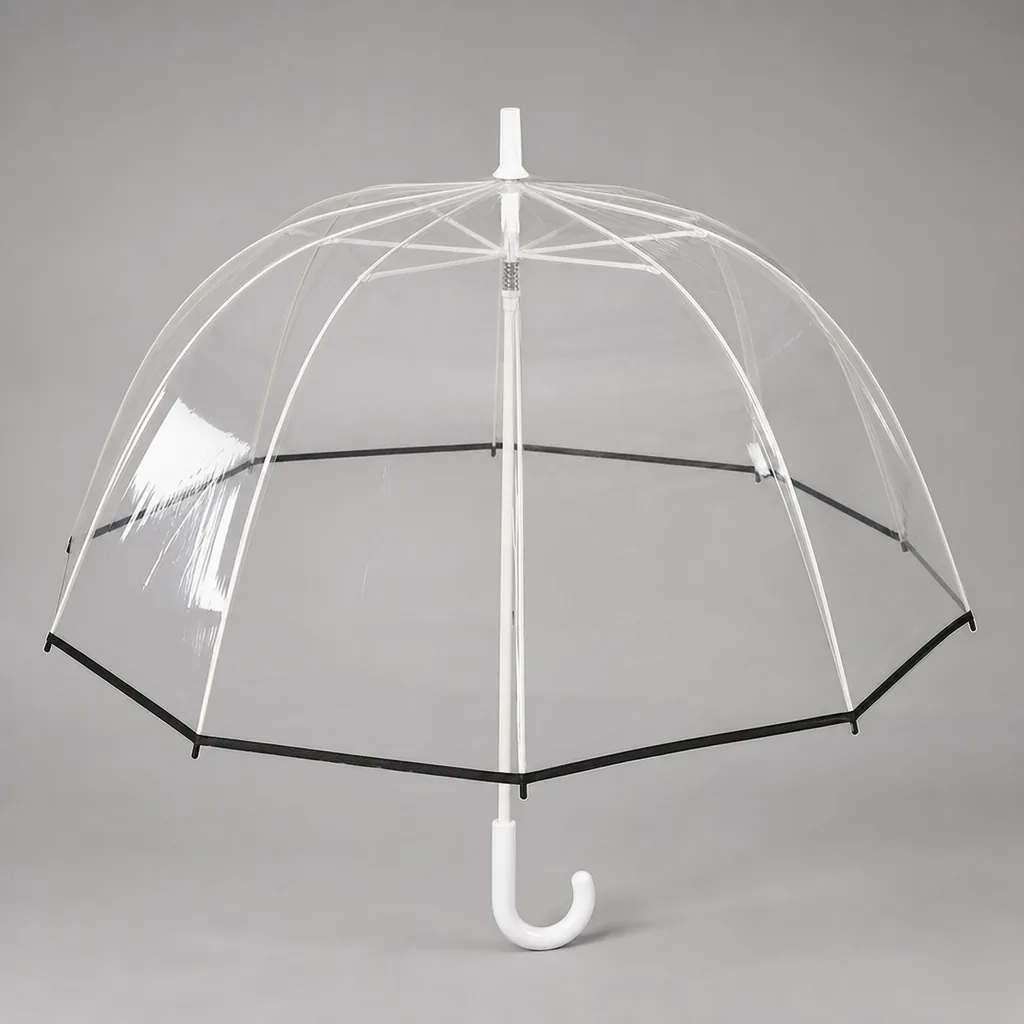
Retail umbrella assortment planning usually breaks down at the same points: too many SKUs, vague fabric choices, and MOQs that look manageable on paper but strain cash flow on the floor. At our Songxia factory, we see the difference between a line that only looks good in a spreadsheet and one that can actually be produced, packed, sampled, and shipped on time. The right range starts with clear tiers for 190T and 210T canopies, matched frame specs, packaging limits, and lead times buyers can plan against.
Build the Range Around Buyer Use Cases
Start retail umbrella assortment planning with use cases, not colors. A compact umbrella is the handbag, commuter, and travel item, so the good tier is usually a 21" manual 8K steel-rib model with 190T pongee, plastic handle, and a sharp opening retail price. Better moves to 21" or 23" auto-open, mixed steel shaft with fiberglass ribs, Teflon water-repellent coating, and a rubberized handle that feels less disposable. Best is 23" auto-open-close, 8K or 10K fiberglass frame, 210T pongee, stronger runner, and a sleeve that does not split after two weeks in a tote bag. For straight umbrellas, good can be 23" manual J-handle with steel ribs; better is 23" auto-open with EVA or crook handle; best is 27" fiberglass, windproof construction, and a wood or soft-touch handle.
Golf and sun umbrellas need their own ladder because shoppers judge them by coverage before mechanism. A good golf umbrella is 27" or 30", 8K steel or mixed-frame, manual open, 190T pongee, and a straight EVA handle; it works for promo and entry retail but should not be sold as stormproof. Better is 30" auto-open, 8K fiberglass ribs, vented double canopy, and a wind-tunnel claim around 40–50 mph if the frame has actually been tested. Best is 30" or 32", 16K fiberglass ribs, double-canopy venting, 210T pongee, reinforced tips, and a comfortable non-slip handle for wet hands. Sun umbrellas should prioritize UPF 50+ coating, black or silver underside, and lighter fiberglass ribs; POE, PVC, and EVA canopies belong more in fashion or transparent rain stories than serious UV protection.
Price points should map cleanly to retail umbrella specifications so the buyer can explain the range in one line. In umbrella SKU planning, do not put a premium handle on a weak frame or a 16K rib count under thin fabric; customers feel that mismatch immediately. For private label umbrellas, a practical range might use one compact good SKU, one compact better SKU, one straight better SKU, one golf best SKU, and one UPF 50+ sun SKU, then expand colors only after sell-through proves demand. The umbrella factory MOQ is usually driven by fabric color, printing method, handle mold, and carton efficiency: stock fabric with one-color screen print may start around 500–1,000 pcs per SKU, while custom canopy color, sublimation panels, or molded handles often push MOQ to 1,200–3,000 pcs. Our standard practice at ZheBrella is to lock the frame platform first, then adjust canopy, handle, and packaging to hit FOB or DDP targets without weakening the product.
Set Core Specs Before Artwork Starts
Lock the engineering bill of materials before artwork, because changing fabric weight or rib material after strike-off approval usually means new cutting markers, new sample charges, and a 5–10 day delay. For mass retail, 190T pongee is the practical baseline: tight enough for clean screen or heat-transfer printing, lighter in hand, and easier to hit price points on 21 inch compact, 23 inch stick, and 27 inch golf umbrellas. 210T pongee feels denser, sheds water better with a Teflon-style coating, and gives boutique brands a nicer matte surface, but it adds cost and slightly more bulk in folding models. In retail umbrella assortment planning, I would not let artwork drive the product first; define fabric, size, opening system, rib count, and coating, then design within those limits so production samples match shelf cost and carton cube targets.
Ribs decide whether returns stay under control. Steel ribs are cheaper and acceptable for entry-level manual or auto-open umbrellas, especially 8K 23 inch stick models sold as seasonal rain basics. Fiberglass ribs cost more, but they flex instead of taking a permanent bend, which matters on 10K and 16K golf frames or any double-canopy vented windproof build claiming 50+ mph wind resistance. Aluminum shafts reduce weight in compact models, but a thin aluminum center pole paired with weak steel stretchers is a false economy; it feels light in the showroom and fails in a parking-lot gust. For private label umbrellas, I normally recommend fiberglass ribs on hero SKUs, steel only on price-fighter SKUs, and a confirmed AQL 2.5 inspection plan that checks rib riveting, runner smoothness, and canopy tension, not just logo placement.
UPF 50+ coating is worth specifying early because it affects fabric hand feel, color matching, and print method. A silver or black UV backing works well for mass retail sun/rain programs, but it can dull bright Pantone artwork and may require heat-transfer instead of direct screen printing. Boutique brands often prefer 210T pongee with invisible UV treatment or a cleaner inner canopy, even if the unit cost is higher, because the customer notices the interior finish when opening the umbrella. Good umbrella SKU planning separates good-better-best clearly: 190T steel-frame basic, 190T or 210T fiberglass auto-open mid-tier, then 210T double-canopy windproof with UPF 50+ as the premium slot. The umbrella factory MOQ should be tied to those build platforms; at ZheBrella, combining colors on one approved frame can keep MOQs workable while avoiding too many untested retail umbrella specifications.
Plan MOQs by Color, Print, and Construction
MOQ is not one number; it changes every time you touch fabric, print coverage, frame construction, or packaging. For simple logo runs on stock 190T pongee, common factory minimums are often 300–500 pcs per color for a 21" or 23" folding umbrella, and 500–1,000 pcs for 27" or 30" golf umbrellas because the frame cartons take more space and production lines prefer longer runs. If you choose stock black, navy, red, or royal blue fabric with one-position screen printing, the umbrella factory MOQ stays low because we can cut from existing rolls and use standard handles, tips, ferrules, and sleeve fabric. Pantone-dyed canopy fabric is a different calculation: dye lots usually start around 1,000–3,000 meters, which means 1,000–2,500 pcs depending on size, rib count, and panel yield. In retail umbrella assortment planning, I usually separate “logo decoration MOQ” from “material MOQ” so buyers do not confuse a print setup limit with a fabric purchasing limit.
Construction adds another MOQ layer because frames are not infinitely interchangeable. A manual 23" 8K steel-frame stick umbrella may be available from regular component stock at 500 pcs, while an auto-open-close 21" 8K compact with fiberglass ribs, rubberized handle, and custom color shaft can push practical MOQ to 1,200–3,000 pcs. If the buyer wants a new handle mold, special runner shape, branded button, or nonstandard cap, tooling cost and mold scheduling matter more than the first order quantity; I normally advise private label umbrellas to amortize custom molds over at least 5,000–10,000 pcs across repeat orders. Full-panel printing also changes the math. A small logo on one panel can run at 300–500 pcs, but edge-to-edge heat transfer, sublimation, or repeated artwork across all 8K/10K panels is more efficient from 1,000 pcs per design because cutting alignment, color control, and sewing matching take extra labor.
Packaging is where many retail programs underestimate MOQ. A plain polybag and matching fabric sleeve can follow the umbrella MOQ, but printed belly bands, hang tags, UPC stickers, color boxes, gift tubes, PDQ trays, and master carton marks often have their own minimums from paper suppliers, commonly 1,000–3,000 sets per artwork. For retail umbrella specifications, lock the packaging hierarchy early: sleeve only, sleeve plus hang tag, individual color box, or club-store display pack. Our standard practice at ZheBrella is to build the MOQ sheet by SKU: canopy color, print method, frame type, handle, sleeve, and packaging artwork, then show where components can be shared across colors. Good umbrella SKU planning might use one 23" auto-open frame across six colors at 600 pcs each, while a full private-label retail program with Pantone fabric, UPF 50+ coating, custom handle, printed sleeve, and color box is more realistic at 3,000–5,000 pcs per model, sometimes split into 2–4 colors if the same fabric and packaging structure are shared.
Package and Label for Retail Readiness
Master cartons need export strength, not just clean artwork. For most retail programs we use 5-ply corrugated cartons with shipping marks on two sides, inner polybag protection if the sleeve is paper, and carton dimensions designed around pallet loading rather than guessed after production. A reasonable carton drop-test expectation is one corner, three edges, and six faces from 60–80 cm, followed by checks for bent steel shafts, cracked plastic handles, broken hangtags, and scuffed barcode labels. AQL 2.5 inspection should include barcode scanability, care-label content, sleeve print registration, carton gross weight, and assortment ratio by color or SKU. Umbrella factory MOQ is also tied to packaging: a stock sleeve may allow 300–500 pcs per color, while custom printed boxes, molded display trays, or retailer-specific barcode stickers can push practical MOQ to 1,000–3,000 pcs because setup waste and line changeovers become real costs. Good retail umbrella assortment planning treats packaging as part of the product, not an afterthought.
Schedule Sampling, Inspection, and Shipment
Lock the spec sheet before you ask any factory for a clock. For private label umbrellas, I want the buyer to freeze size, frame, fabric, handle, logo method, packaging, and carton mark in one document: for example, 23" auto-open straight umbrella, 8K fiberglass ribs, 190T pongee with Teflon water-repellent coating, EVA handle, one-color screen print, 24 pcs per master carton. A normal development calendar is 3–5 days for material checking and quotation, 7–10 days for a pre-production sample if existing mold parts are used, and 12–18 days if a custom handle, runner, ferrule, or retail hangtag needs tooling. Color approval is the hidden delay in retail umbrella assortment planning: lab dips for pongee, POE, PVC, or EVA can take 3–5 days per round, and printed logos should be approved on the real canopy fabric, not only on a PDF mockup.
After the signed PP sample, bulk production usually runs 25–35 days for standard 21", 23", or 27" styles, and 40–50 days for heavier 30" golf umbrellas, double-canopy vented windproof frames, 16K rib structures, or mixed-color programs. Umbrella SKU planning should group shared components wherever possible: the same black fiberglass shaft, same 210T pongee base cloth, and same auto-open mechanism across several colors will keep the umbrella factory MOQ realistic. In our Songxia production flow at ZheBrella, a clean retail order normally moves through frame assembly, canopy cutting, panel printing, sewing, final mounting, water-spray checks, and packing. For peak rainy-season orders from March to June, add a 10–15 day buffer because rib suppliers, dye houses, and print rooms are all loaded; rushing this stage is how shade differences and weak seam tension get missed.
Inspection should be booked before cartons are sealed, not after the vessel is closing. For retail umbrella specifications, I recommend AQL 2.5 for major defects and AQL 4.0 for minor cosmetic issues, with checks covering open-close function, rib alignment, runner locking, canopy tension, print position, barcode scan, carton drop condition, and water leakage. A 100% function check is worth considering for auto-open-close folding umbrellas because spring and runner failures are expensive at store level. FOB Ningbo or Shanghai shipment usually needs 3–7 days for export booking and customs after inspection release; DDP to the U.S. or Europe can take 25–45 days by ocean plus final delivery, depending on port congestion and duty classification. Good retail umbrella assortment planning works backward from shelf date, then protects PP sample approval, color approval, AQL inspection, and shipping cutoffs as separate gates, not one vague lead time.
Frequently Asked Questions
How many SKUs should a first retail umbrella line include?
Most new retail programs start with 3 to 6 SKUs: one compact, one straight umbrella, one golf or storm model, and optional seasonal colors. This keeps MOQ and inventory risk manageable.
Can one factory produce both budget and premium umbrella tiers?
Yes, if the factory controls frame assembly, sewing, printing, and QC. The key is separating BOMs clearly, such as steel ribs with 190T pongee for entry tiers and fiberglass frames with 210T pongee for premium tiers.
How should a retailer split umbrella SKUs across price tiers?
A practical starting point is 3 tiers: entry, mid, and premium. Many buyers use a 50/30/20 mix by units, with basic POE or 190T models in the entry tier, 210T or fiberglass-reinforced styles in mid-tier, and automatic open or vented models in premium.
What MOQ should I expect for private label umbrella styles?
For custom-printed private label umbrellas, factories often set MOQs around 300-500 pieces per color or design, depending on canopy fabric, frame type, and printing method. More complex features like vented canopies or specialty handles can raise the MOQ.
How long does it take from approved sample to shipment for a retail umbrella order?
After sample approval, bulk production usually takes about 30-45 days for standard orders. If you need custom packaging, special components, or peak-season capacity, plan for 45-60 days total.
Looking to Launch Your Custom Umbrella Line?
ZheBrella is a Zhejiang-based OEM/ODM umbrella manufacturer with 17 years of export experience. Free design, low MOQ from 100 pieces, windproof construction, full-color print.
Get Free Quote Now »People Also Search For
Related Articles
Retail Umbrella Assortment Planning: SKU Specs That Sell
Plan retail umbrella SKUs by size, rib count, fabric, packaging, and MOQ to balance shelf price, durability, and repleni...
Read More »
Retail Umbrella Assortment Planning: Specs by Price Tier
Plan a private-label umbrella range with 3-fold, stick, and golf models, clear good-better-best specs, realistic MOQs, F...
Read More »
Private Label Umbrella Line Planning for Retail Buyers
Plan a retail-ready umbrella line with good-better-best specs, MOQ tiers, fabrics, rib counts, packaging, and lead-time ...
Read More »