Tone-on-Tone Umbrella Branding for Premium Retail Programs
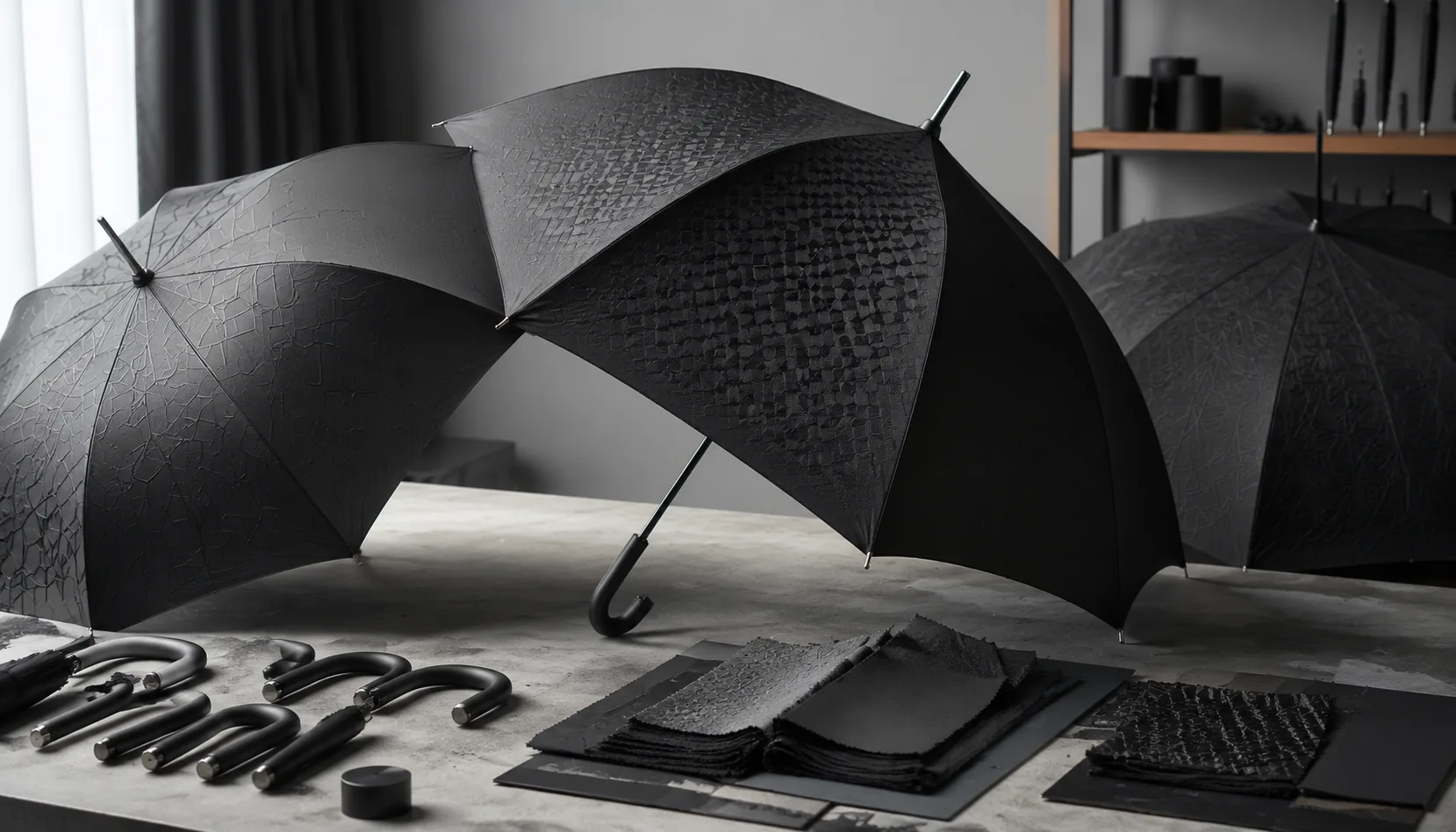
Premium retail buyers often want branding that feels quiet, but subtle logos are harder to control than bold prints. With tone on tone umbrella branding, the real work is matching ink, thread, or heat-transfer film to 190T or 210T pongee within a tight color tolerance, then proving it through strike-offs, pre-production samples, and inline QC before bulk cutting. On our Songxia factory floor, small shade drift, fabric lot changes, or rushed curing can decide whether the program looks premium or patched together.
When Tone-on-Tone Branding Works Best
Tone on tone umbrella branding works best when the buyer wants the umbrella to feel like part of a premium product line, not a walking billboard. Luxury retail, hotel gifting, private banking, insurance groups, and executive merchandise are the strongest fits because the end user already knows the brand; the logo’s job is to confirm taste, not shout for attention. On a 23" or 27" straight umbrella with 190T or 210T pongee, a same-family logo can look sharp if the canopy dye lot and print ink are controlled within a tight Pantone tolerance. I usually push clients toward this route when the umbrella will sit in a boutique, guest room, club lounge, or boardroom gift box, where people handle it at close range before opening it outdoors.
Low-contrast branding depends on physical surface behavior: texture, sheen, ink thickness, and viewing angle. A matte gloss umbrella print on black, navy, charcoal, ivory, or deep green canopy can be almost invisible under flat warehouse light, then become readable when light hits the panel at 30 to 45 degrees. Screen printing gives better edge control for small serif marks and monograms, while heat transfer can work for larger blocks but may feel too plasticky on premium branded umbrellas if the film is thick. For subtle logo umbrellas, I avoid cheap silver-gray ink on black fabric because it often turns into a visible contrast print after Teflon coating or water-repellent finishing; a black-on-black gloss varnish is cleaner.
In retail umbrella OEM projects, the construction has to match the quiet branding language or the whole program feels inconsistent. A tone-on-tone logo on a flimsy 8K steel frame sends the wrong signal; it belongs on fiberglass ribs, a stable 10K or 16K frame, clean stitching, a smooth manual or auto-open mechanism, and a handle material that fits the brand tier. Our standard practice at ZheBrella is to approve strike-off panels before bulk cutting, then check logo visibility under indoor LED light, outdoor shade, and direct sun because low-contrast marks change more than standard white prints. For hotel and financial-service orders, I also recommend AQL 2.5 inspection focused on ink rub, canopy shade consistency, and panel alignment, since small defects stand out more when the design is intentionally restrained.
Fabric and Finish Choices That Affect Subtle Logos
Fabric choice decides whether a subtle logo looks expensive or just invisible. For tone on tone umbrella branding, I normally push buyers toward 210T pongee when the budget allows, because the tighter weave gives cleaner logo edges and less ink spread than 190T pongee. A 190T canopy is still common for promotional 21" and 23" folding umbrellas, but on premium branded umbrellas it can show more texture through a tonal print, especially on curved panels near the rib tips. 210T pongee also handles Teflon water-repellent finishing more evenly, so the canopy sheds water without creating patchy gloss differences after drying. If the umbrella is a retail program with hangtag claims, ask whether the fabric weight, yarn density, and coating are being locked in the BOM; otherwise the first sample can look sharp while bulk production shifts slightly under different fabric lots.
Darker canopy colors make subtle logo umbrellas easier to control because contrast can be built through surface reflection instead of color difference. Black, navy, charcoal, forest green, and burgundy work well with matte gloss umbrella print effects: a matte canopy with a slightly glossier logo, or a satin canopy with a flatter tonal logo. On light gray, beige, or pastel pongee, tonal printing becomes less forgiving because any ink migration, heat-press mark, or coating unevenness is more visible under store lighting. I also avoid over-large tonal logos on thin folding umbrellas; when the fabric stretches over 8K steel ribs, the print can distort. For 27" or 30" golf umbrellas with fiberglass ribs and a wider panel surface, tonal logos can be larger, but the screen angle and curing temperature need tighter control.
UPF 50+ treatments add another variable because UV coatings can change hand feel, reflectivity, and ink adhesion. A silver or black UV backing gives strong sun protection, but it can stiffen the canopy and make tonal prints on the outer face look flatter; a clear UPF 50+ coating is better when the brand wants a soft retail finish, though it costs more and must be tested for water repellency after coating. In retail umbrella OEM work, I always approve a printed strike-off after coating, not before, because gloss level changes once the fabric is finished and heat cured. Our standard practice at ZheBrella is to run logo samples on the exact bulk fabric color, then check them under daylight, LED store lighting, and a wet-rub test before confirming AQL 2.5 inspection criteria for the shipment.
Logo Techniques for Low-Contrast Decoration
Debossed patches and woven labels are the safest way to make subtle logo umbrellas feel retail-grade instead of promotional. A debossed PU, silicone, or leatherette patch works best on the tie strap, sleeve, or handle loop; on the canopy it adds weight and can distort folding if placed near a rib tip. Minimum deboss depth is usually 0.4–0.6 mm, with strokes above 0.45 mm and text above 6 mm height. Woven labels can hold finer detail, but thread density has limits: gradients, hairline icons, and four-line brand claims turn muddy below about 30 x 12 mm. For retail umbrella OEM programs, our standard practice at ZheBrella is to review decoration against the actual rib count, panel template, coating, and folding method before sampling. A 23 inch 8K stick umbrella gives more branding room; a compact 21 inch 16K frame demands quieter, smaller marks and stricter AQL 2.5 checks for registration, adhesion, and panel-to-panel consistency.
Sampling, Color Tolerance, and Buyer Approval
Sampling decides whether tone on tone umbrella branding looks premium or just looks like a printing mistake. I do not release bulk fabric until we have lab dips for the canopy base and a separate strike-off for the logo process, because 190T pongee, 210T pongee, recycled RPET, and coated polyester all absorb dye and ink differently. For dark navy, charcoal, forest green, and burgundy, we normally set a Delta E target of 1.0–1.5 against the approved swatch under D65 light; for black-on-black or gray-on-gray, visual tolerance matters more than the number because gloss angle changes what the buyer sees. A matte gloss umbrella print should be checked at 45 degrees and straight-on, not just flat on a desk. For retail umbrella OEM orders, our standard practice is to submit the canopy lab dip, logo strike-off, handle color chip, sleeve fabric, and carton label artwork together so the buyer approves the whole retail presentation, not only one printed panel.
Strike-offs must use the same production method planned for bulk: screen print, heat transfer, sublimation, rubberized ink, or debossed PU patch. I have seen buyers approve a digital mockup of subtle logo umbrellas and then reject production because the real ink had too much contrast under store lighting. That is avoidable. For premium branded umbrellas, we normally print the strike-off on the actual canopy fabric with the same coating stack, whether it is Teflon water repellent, silver UV backing, black glue UPF 50+, or transparent POE/PVC/EVA material. Coatings change surface tension, and surface tension changes ink edge sharpness. The strike-off should include the smallest logo line, the largest solid logo area, and one seam-crossing position if the design wraps across panels. On a 23" auto-open or 27" golf umbrella, panel curvature also affects perceived shade, so checking a flat fabric swatch alone is not enough.
Buyer approval should include high-resolution photos and physical samples before bulk production, especially when the order is going into department stores, hotel retail, or corporate gifting programs with strict brand control. Photos are useful for speed: we send D65 lightbox shots, natural daylight shots, and angled gloss shots beside a Pantone or approved color chip. But photos cannot replace a physical pre-production sample because phone screens and monitors exaggerate contrast. The pre-production sample should be made with the confirmed frame, such as 8K steel, 10K fiberglass, or 16K windproof ribs, plus the correct manual, auto-open, or auto-open-close mechanism, because canopy tension changes how the logo catches light. For bulk release, I recommend written approval on lab dip, strike-off, and one complete pre-production umbrella, then locking the tolerance sheet into the PO. During AQL 2.5 inspection, the QC team can then judge against an approved standard instead of arguing from memory.
Production Specs, MOQ, and Quality Control
For tone on tone umbrella branding, the MOQ depends less on the logo color and more on the canopy fabric, frame platform, and print method. A stock 23" auto-open straight umbrella with 190T or 210T pongee usually starts around 500–1,000 pcs per color, while a custom retail umbrella OEM build with special handle tooling, matched matte/gloss panels, or a private-label sleeve is normally 1,200–3,000 pcs. Compact 21" auto-open-close models often need higher MOQs because the shaft, runner, and rib sets must be booked as a matched lot. For premium branded umbrellas, I recommend locking the base fabric and frame first, then sampling the logo finish; changing from steel to fiberglass ribs after artwork approval can shift both balance and landed cost.
Real production lead time is usually 25–45 days after sample approval and deposit, not after the first inquiry. A matte gloss umbrella print needs extra care because the logo may look invisible under office light but too strong under angled daylight; we check panels at 45 degrees and under neutral white light before bulk printing. Subtle logo umbrellas can be made by screen print with clear gloss ink, heat-transfer film, or tonal embroidery on select sleeve materials, but adhesion must match the coating. If the canopy has Teflon water-repellent or UV UPF 50+ treatment, we run adhesion and rub tests before approving bulk, because some coatings reject ink unless the surface is properly treated.
Our standard practice at ZheBrella is final inspection to AQL 2.5, with checkpoints covering print adhesion, dry and wet rub resistance, canopy symmetry, rib consistency, and opening performance. Inspectors compare all 8K, 10K, or 16K rib sets for fiberglass or steel thickness, spring tension, runner smoothness, and tip alignment; one weak rib batch can ruin an otherwise good retail program. For auto-open or auto-open-close umbrellas, we cycle-test the mechanism and check that the button release is clean without canopy hesitation. FOB Ningbo or Shanghai works for buyers with their own forwarder, while DDP should be planned earlier because carton size, HS code, labeling, and destination duties affect the final landed price more than many buyers expect.
Frequently Asked Questions
Is tone-on-tone branding readable enough for promotional umbrellas?
It is best for premium or retail programs where subtle branding is intentional. For outdoor events or mass giveaways, buyers usually need higher logo contrast or a larger print area.
Can tone-on-tone printing work on UPF 50+ umbrellas?
Yes, but the UV coating can change ink absorption and sheen. A strike-off sample should confirm logo visibility, hand feel, and adhesion before bulk production.
What fabric works best for tone-on-tone umbrella branding?
190T pongee is suitable for cost-controlled retail programs, while 210T pongee gives a denser hand feel and more premium appearance. For subtle branding, buyers usually pair dark navy, charcoal, black, or forest green canopies with matte or gloss logos in a close color tone.
How is color tolerance controlled for subtle umbrella logos?
A Pantone reference or approved fabric swatch should be confirmed before bulk production. For tone-on-tone printing, factories typically check canopy fabric, logo ink, and finished samples under standard lighting because small shade differences can affect logo visibility.
What sampling steps are recommended before bulk production?
Start with a digital mockup, then request a fabric color lab dip and printed logo strike-off before making a full pre-production sample. Bulk production should begin only after the buyer approves logo visibility, print finish, canopy color, and packaging details.
Looking to Launch Your Custom Umbrella Line?
ZheBrella is a Zhejiang-based OEM/ODM umbrella manufacturer with 17 years of export experience. Free design, low MOQ from 100 pieces, windproof construction, full-color print.
Get Free Quote Now »People Also Search For
Related Articles
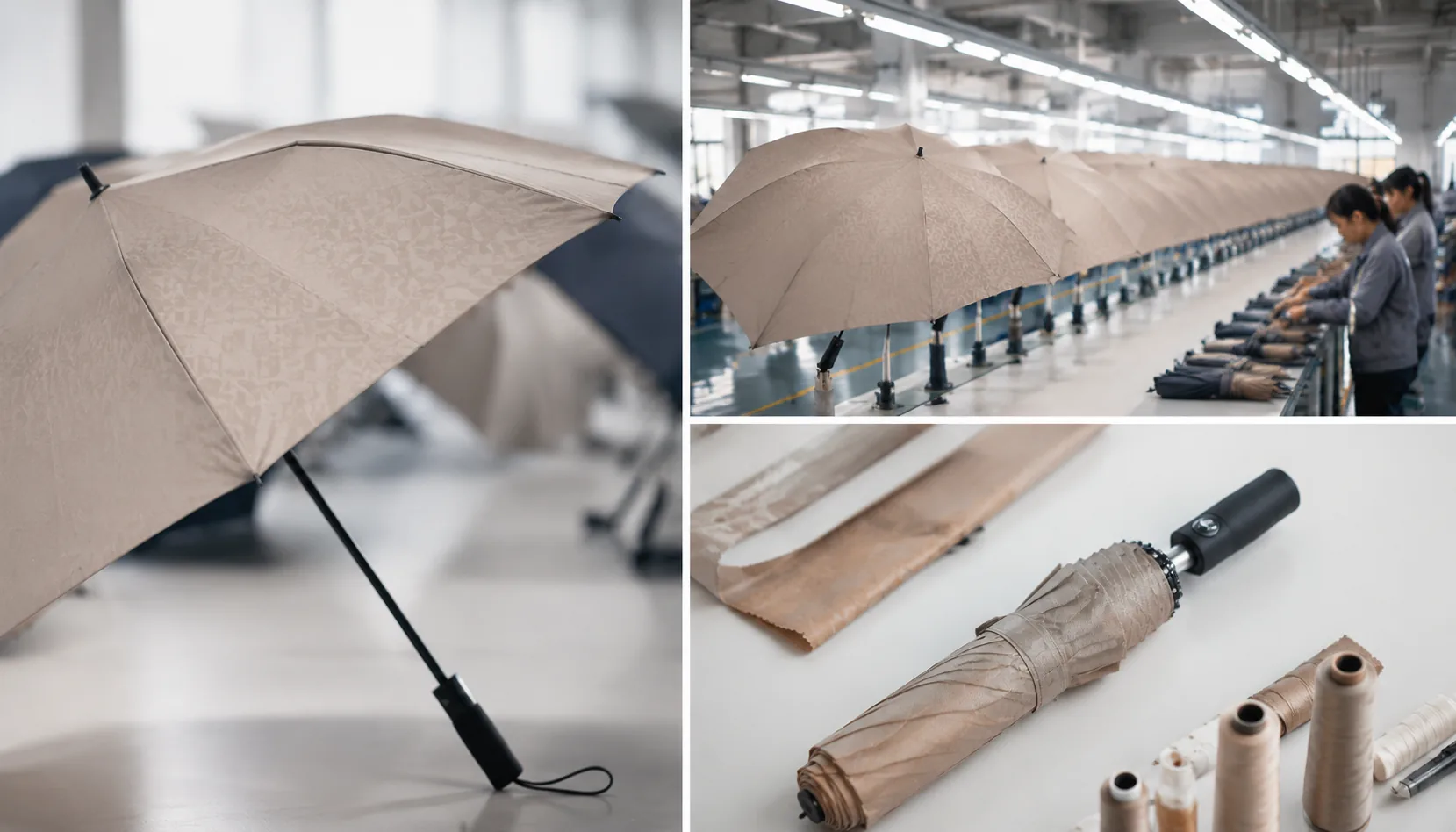
Tone-on-Tone Umbrella Branding for Subtle Retail Programs
Create understated umbrella branding with tone-on-tone logos, matched trims, and controlled contrast for premium retail ...
Read More »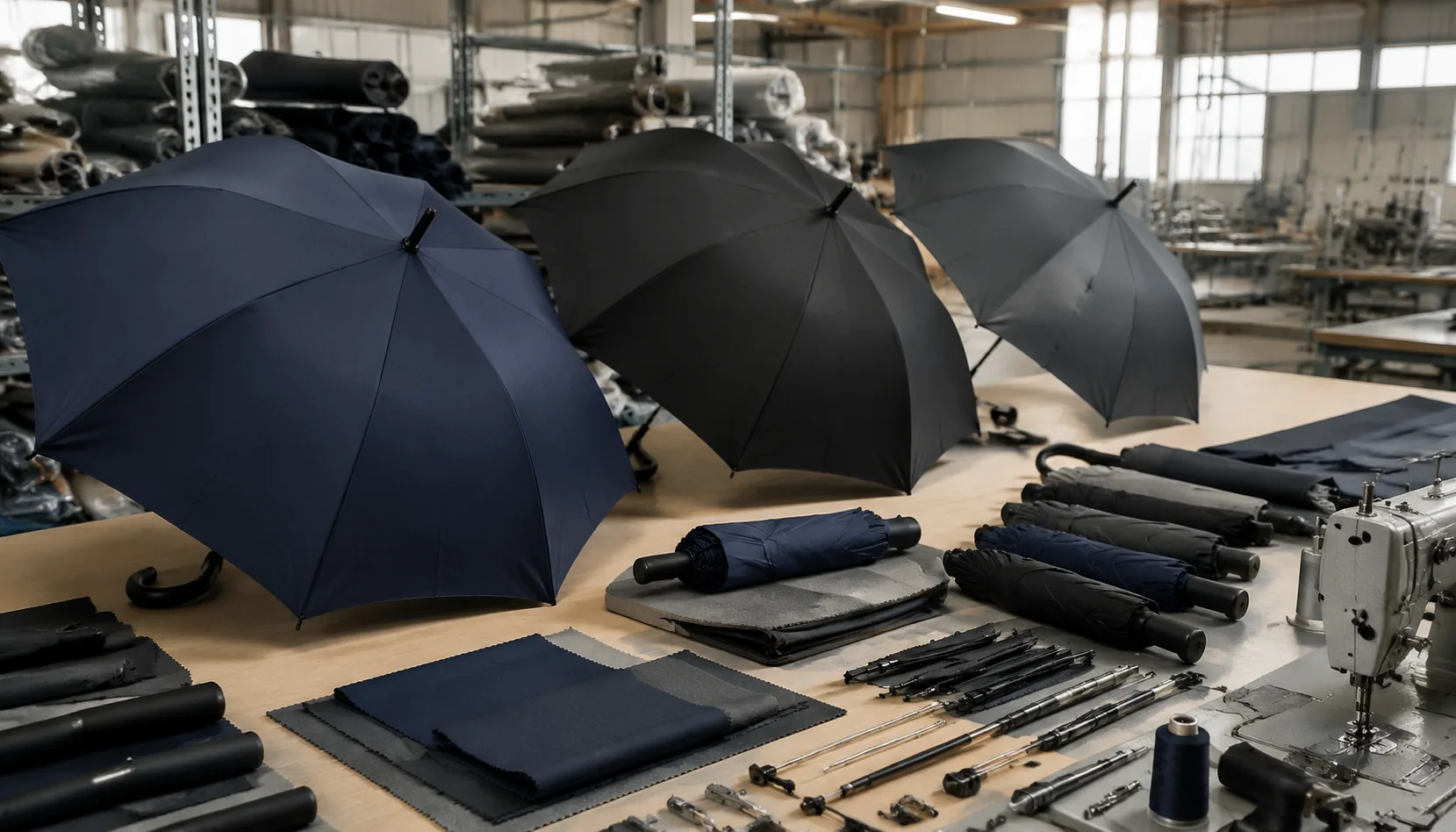
Tone-on-Tone Umbrella Branding for Premium Corporate Programs
Use tone-on-tone umbrella branding to create subtle premium gifts with controlled fabric sheen, logo contrast, frame spe...
Read More »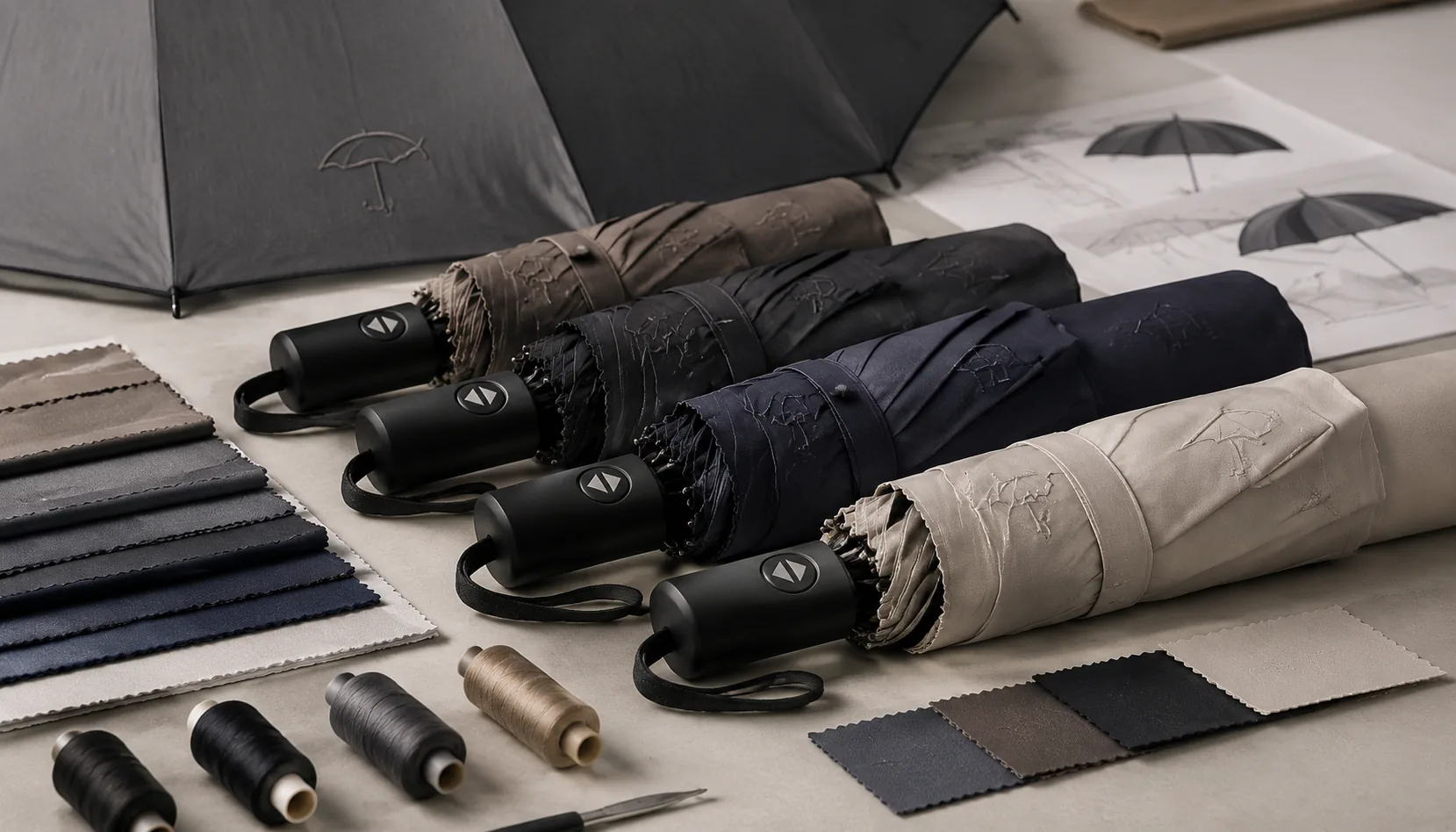
Tone-on-Tone Umbrella Logos for Premium Retail Branding
Use tonal logo printing to create premium umbrellas with controlled contrast, fabric choices, QC checks, and repeatable ...
Read More »