Umbrella Frame Riveting Specs for Durable OEM Production
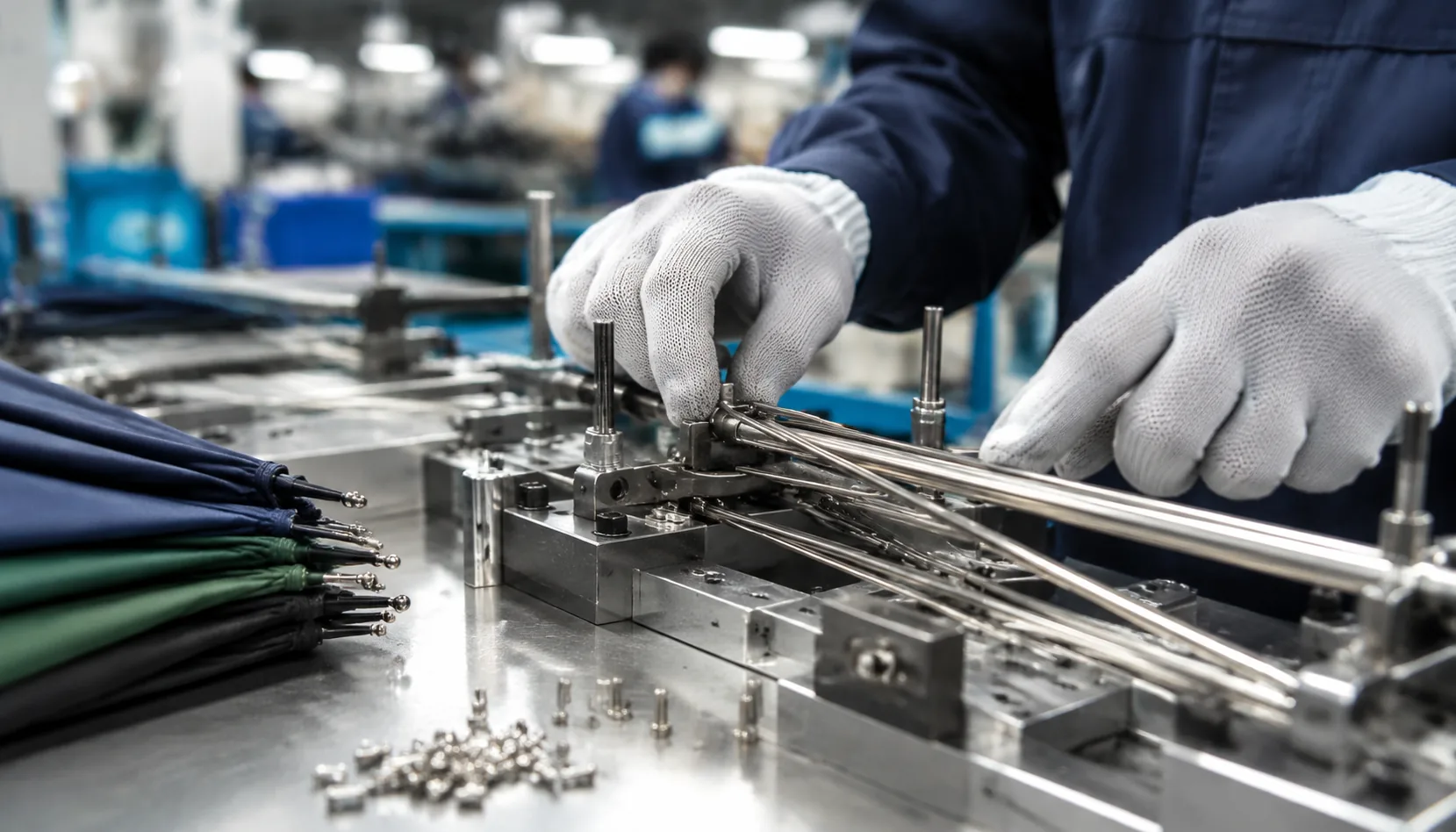
When an 8K or 16K frame starts drifting at the hinge, the problem usually traces back to rivet fit, setting pressure, or a pull-out check that was skipped before canopy assembly. On our Songxia factory floor, umbrella frame riveting specs are treated as a control point, not a drawing note, because a loose joint can pass early handling and still fail alignment under AQL 2.5 inspection.
Rivet Points That Carry the Most Load
The load-bearing rivet map starts at the crown, where the ribs rotate around the top cap, then moves down to the runner, stretcher-to-runner joint, stretcher-to-rib joint, rib mid-joint if the frame is folding, and the notch or tip-end connection on full-length models. In real OEM umbrella production, most complaints blamed on “weak ribs” actually begin at loose clearance or ovalized holes at these pivot points. The crown rivets take compression when the canopy is tensioned; the runner rivets take repeated impact during opening; the stretcher joints see alternating pull and push every time wind inverts the canopy. For steel frames we normally control rivet upset height tighter because the hole edge can cut into plating if over-pressed. For fiberglass ribs, the problem is different: too much rivet pressure can crush the insert or split the drilled section, so washer size and burr control matter as much as rivet diameter.
For 8K and 16K umbrella frames, the same rivet size on paper does not mean the same working load. An 8K 23 inch straight umbrella has fewer ribs, so each rib carries a larger share of canopy tension, but the opening force is distributed through fewer stretcher assemblies and the runner travels with less accumulated friction. A 16K frame doubles the number of pivoting rib lines; it feels stronger to the customer, but it also creates more hinge points, more rivet holes, and more chances for one bad pivot to bind. On 16K models we pay closer attention to runner alignment and crown hole concentricity because small angular errors stack quickly around the circle. Umbrella hinge strength is not only a material question; it is a geometry question. If one stretcher sits 2 mm higher than the next, the canopy pulls unevenly and that joint will loosen first under gust cycling.
Good umbrella frame riveting specs should define rivet diameter, shank length, head diameter, upset height, free-rotation torque, pull-out resistance, and acceptable side play, not just say “firmly riveted.” For a 23 inch manual 8K promotional model, the tolerance window can be wider than for a 27 inch auto-open 16K golf umbrella because the longer rib creates more leverage and the spring-loaded runner hits harder. Our standard practice at ZheBrella is to check sample frames before canopy sewing: open-close cycling, side-shake at runner and crown, visual cracks around fiberglass holes, and a random pull test on stretcher joints before moving to bulk assembly. For umbrella factory quality control, AQL 2.5 final inspection is too late to discover bad riveting; the process needs in-line checks at frame assembly, usually every 300 to 500 pieces, with defective rivets re-pressed or scrapped before printing and sewing add cost.
Material Pairing: Steel, Fiberglass, and Mixed Frames
Material pairing decides whether a riveted frame stays tight after real use, not just whether it passes the first opening test. In OEM umbrella production, steel stretchers give good compression strength and stable geometry, but they also concentrate load at the hinge if the rivet hole is punched with burrs or the plating is too thick. For standard 8K and 10K rain umbrellas, we normally see low-carbon steel stretchers at 0.45–0.55 mm thickness with nickel, black electrophoresis, or zinc plating. If the rivet is too soft, the head mushrooms unevenly; if it is too hard, it cuts into the stretcher hole during cycling. Good umbrella frame riveting specs should define rivet shank diameter, head height, washer use, and acceptable side play after 500–1,000 open-close cycles, not just call out “tight riveting” on the drawing.
Fiberglass ribs change the wear pattern because they flex instead of permanently bending like steel. That is useful for windproof 23 inch and 27 inch umbrellas, especially double-canopy vented designs rated around 50+ mph, but the joint must allow controlled rotation without sawing into the rib tip connector. On mixed steel-and-fiberglass frames, the metal U-joint, plastic runner notch, and fiberglass rib cap all move at different stiffness levels. I prefer stainless or well-plated brass rivets in these locations when the buyer requires salt-spray resistance, because ordinary iron rivets can bleed rust onto 190T or 210T pongee after humid storage. For 8K 16K umbrella frames, the risk increases as rib count rises because the runner stroke has more joints fighting for alignment; one loose rivet can make the canopy pull unevenly and create a visible panel twist.
Plated hardware looks clean in pre-production samples, but poor plating can hide the first failure point. Thick nickel on a stretcher eye may reduce hole clearance, while thin zinc can wear through after cycle testing and expose bare steel. Once red rust starts around the hinge, friction increases, the rivet hole elongates, and umbrella hinge strength drops quickly even if the ribs themselves are still intact. Our standard practice at ZheBrella is to check joint looseness during umbrella factory quality control with manual shake tests, opening-load checks, and AQL 2.5 final inspection, but the key work happens earlier at frame assembly. For durable production, umbrella frame riveting specs should require clean punched holes, matched rivet hardness, consistent pneumatic riveting pressure, and corrosion testing aligned with the order type—basic FOB promo umbrellas need a different target than retail UPF 50+ golf umbrellas shipped DDP into coastal markets.
Factory Riveting Parameters Buyers Can Specify
For durable OEM umbrella production, buyers should put measurable rivet targets in the drawing, not just write “firm joint.” For standard 21" and 23" 8K frames, a common rib-to-stretcher rivet is 2.2–2.5 mm diameter in low-carbon steel or nickel-plated brass; heavier 27" golf frames and 16K umbrella frames often need 2.8–3.2 mm depending on rib wall thickness and washer use. The rivet shank should fill the punched hole without splitting the rib, with hole clearance normally kept under 0.15 mm. After setting, the flattened head should be round, centered, and compressed to roughly 1.4–1.7 times the shank diameter, with no crescent shape, cracked plating, or sharp edge touching the canopy. These umbrella frame riveting specs matter because a loose hinge feels cheap on day one and becomes a warranty return after 200–300 open-close cycles.
Joint play is the number buyers should ask inspectors to feel and measure. At the main rib hinge and stretcher hinge, lateral shake should usually stay below 0.30 mm for compact manual and auto-open frames, and below 0.40 mm for larger 27" and 30" golf umbrellas where longer ribs need a little working clearance. Rotational movement must be smooth through the opening arc, with no binding, squeak, or metal shaving. Burr limits should be explicit: no burr over 0.05 mm on the rivet head, no punched-hole burr that can cut 190T or 210T pongee, and no loose plating flakes after salt-spray or rub testing. For umbrella hinge strength, our standard practice at ZheBrella is to pull-test sample joints during umbrella factory quality control and reject lots where rivets twist before the rib deforms.
Automatic riveting is worth specifying when the order has tight cosmetic standards, auto-open-close mechanisms, or retail AQL 2.5 inspection because the machine controls pressure, stroke depth, and head shape far better than hand riveting. Hand riveting is still acceptable for small MOQ trial runs, mixed-color promotional jobs, or unusual POE/PVC/EVA canopy constructions where frame handling is slow, but it depends heavily on operator skill and fixture condition. Good visual standards are simple: rivet heads aligned on the same side, no double-hit marks, no black oil stain, no scratched powder coating, no crushed fiberglass rib, and no gap wide enough to catch a fingernail. Buyers writing umbrella frame riveting specs should also require cycling after riveting—at least 20 factory open-close checks per inspected carton, with any clicking, drifting, or asymmetric rib spread treated as a functional defect, not a cosmetic note.
Inline Tests Before Canopy Assembly
Inline testing before canopy assembly is where bad frames should die, not after a 190T or 210T pongee cover has already been cut, printed, and sewn. For umbrella frame riveting specs, I want operators checking rib bend recovery first: open the bare frame, press each rib down 25–35 mm at the midpoint, and confirm it returns without a kink, loose rivet, or twisted stretcher. Steel ribs usually show deformation early; fiberglass ribs should flex cleaner but still fail if the rivet hole is punched off-center. On 8K 16K umbrella frames, the risk changes with rib count: 8K golf frames put more load per rib, while 16K fashion frames have more rivet points that can hide small alignment errors. A good line check uses 100% visual screening plus sampled bend checks by lot, separated by frame size such as 21", 23", 27", and 30".
Hinge rotation checks are simple but non-negotiable in OEM umbrella production. Each joint should rotate through its working angle without scraping, binding, or side wobble; a hinge that feels tight on the bare frame usually tears thread or distorts the canopy after sewing. We check the main stretcher-to-runner rivets, top rib joints, and notch connections while the frame is opened and closed at least 5 cycles. For umbrella hinge strength, side play over roughly 1.0 mm at the joint is a warning sign, especially on auto-open models where the spring accelerates the runner. Our standard practice at ZheBrella is to isolate any batch where operators feel inconsistent rotation across more than 2–3 pieces in a sample tray, because that usually points to rivet length variation, worn riveting dies, or mixed rib thickness from upstream material preparation.
Pull-out sampling and auto-open stress checks catch failures that visual inspection misses. Before canopy assembly, sampled frames should be pull-tested at key rivet points using a small force gauge; compact 21" frames may use lower limits than 27" golf umbrellas, but the point is consistency across the PO, not a heroic one-piece result. For auto-open and auto-open-close mechanisms, I like 20–30 rapid cycles before sewing, watching runner lock engagement, shaft shake, spring noise, and rivet migration. Double-canopy vented windproof models need extra attention because the frame must survive canopy back-pressure later, not just open cleanly on the bench. These inline tests belong inside umbrella factory quality control with AQL 2.5 final inspection, but they should not wait for final inspection. Proper umbrella frame riveting specs reduce scrap, protect printed panels, and prevent late shipment arguments over FOB or DDP orders.
How Riveting Specs Affect Cost and Lead Time
Riveting is cheap only when the spec matches existing tooling. For standard 8K and 16K umbrella frames, most factories already have jigs for common rivet diameters, washer stacks, rib spacing, and stroke depth on pneumatic riveting machines. The cost starts moving when a buyer asks for tighter hinge clearance, special shoulder rivets, stainless rivets instead of plated steel, or a different hole position on stretcher-to-rib joints. In OEM umbrella production, I normally see a new or modified riveting fixture add 3 to 7 days before PP sample assembly, and the cost is either absorbed into the unit price or charged as a small tooling fee. Good umbrella frame riveting specs should define rivet material, head diameter, shaft diameter, allowable play after riveting, pull resistance, and whether the joint must rotate freely after salt-spray or wet-cycle testing.
MOQ is directly affected because tighter joint tolerances slow the line and increase sorting. A standard promotional 23 inch auto-open umbrella with steel shaft and 8K metal ribs can run efficiently at 1,000 to 3,000 pieces per color when using normal riveting clearance. If the buyer requires low-wobble joints for stronger umbrella hinge strength, the frame shop may need to pre-sort ribs, check hole burrs, and adjust press pressure more often, which makes 500-piece trial orders unattractive. For 16K golf umbrellas or double-canopy windproof models rated around 50+ mph, the rib and stretcher load is higher, so sloppy riveting causes twisting, canopy imbalance, or early hinge cracking. Our standard practice at ZheBrella is to confirm these points during PP sample approval, not after printed 190T or 210T pongee panels are already sewn onto the frame.
The biggest lead-time risk is rework, not the riveting operation itself. Once bulk frames are riveted, correcting loose joints usually means drilling out rivets, replacing damaged ribs or stretchers, and rechecking alignment before canopy mounting; that can add 5 to 12 days on a 10,000-piece order. Tighter umbrella frame riveting specs can raise FOB price by a few cents on simple straight umbrellas and more on 27 inch or 30 inch golf umbrellas using fiberglass ribs, because operators must run slower and QC must sample more joints. For umbrella factory quality control, I recommend adding hinge rotation, side-play, and opening-cycle checks into the AQL 2.5 inspection plan. The cleanest schedule is: approve frame-only samples first, then approve PP samples with printed canopy, then lock the bulk tolerance before material cutting begins.
Frequently Asked Questions
Should buyers specify rivet material for coastal-market umbrellas?
Yes. Nickel-plated or stainless rivets reduce red rust risk, especially when paired with steel stretchers for resorts or marine promotions.
Can poor riveting cause an umbrella to fail AQL 2.5 inspection?
Yes. Loose hinges, sharp burrs, uneven rivet heads, or frames that bind during opening can be counted as major defects during final inspection.
What rivet specifications should be confirmed before mass production of 8K and 16K umbrella frames?
Confirm rivet diameter, head size, material, and clinch height on the approved pre-production sample. For many steel and fiberglass umbrella frames, factories typically verify rivet fit within about ±0.05–0.10 mm depending on the hinge design.
How should hinge pull-out strength be checked during OEM umbrella production?
A practical QC method is to test rib and stretcher joints with a pull gauge during inline inspection and final inspection. Buyers can specify a minimum force requirement by frame type, such as separate standards for compact 3-fold frames, golf umbrellas, and 16K windproof frames.
Can hinge tolerance problems cause AQL 2.5 inspection failures?
Yes. Loose rivets, misaligned ribs, uneven opening, or hinge deformation can be counted as major defects if they affect function or durability. For AQL 2.5, these issues should be controlled through first-article approval, inline riveting checks, and final open-close testing.
Looking to Launch Your Custom Umbrella Line?
ZheBrella is a Zhejiang-based OEM/ODM umbrella manufacturer with 17 years of export experience. Free design, low MOQ from 100 pieces, windproof construction, full-color print.
Get Free Quote Now »People Also Search For
Related Articles
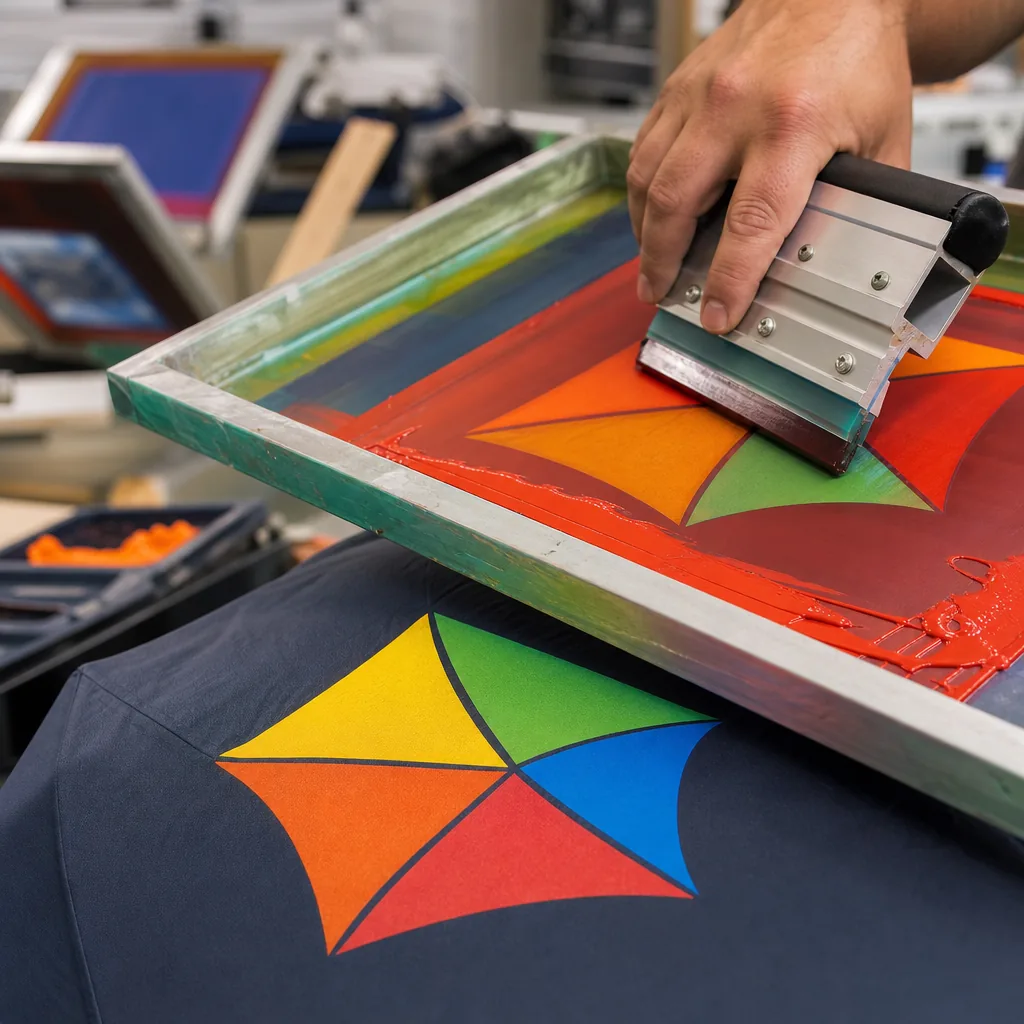
Umbrella Frame Riveting Process for Durable OEM Orders
See how rivet specs, hole tolerance, and pull-force checks keep 8K and 16K umbrella frames consistent before AQL inspect...
Read More »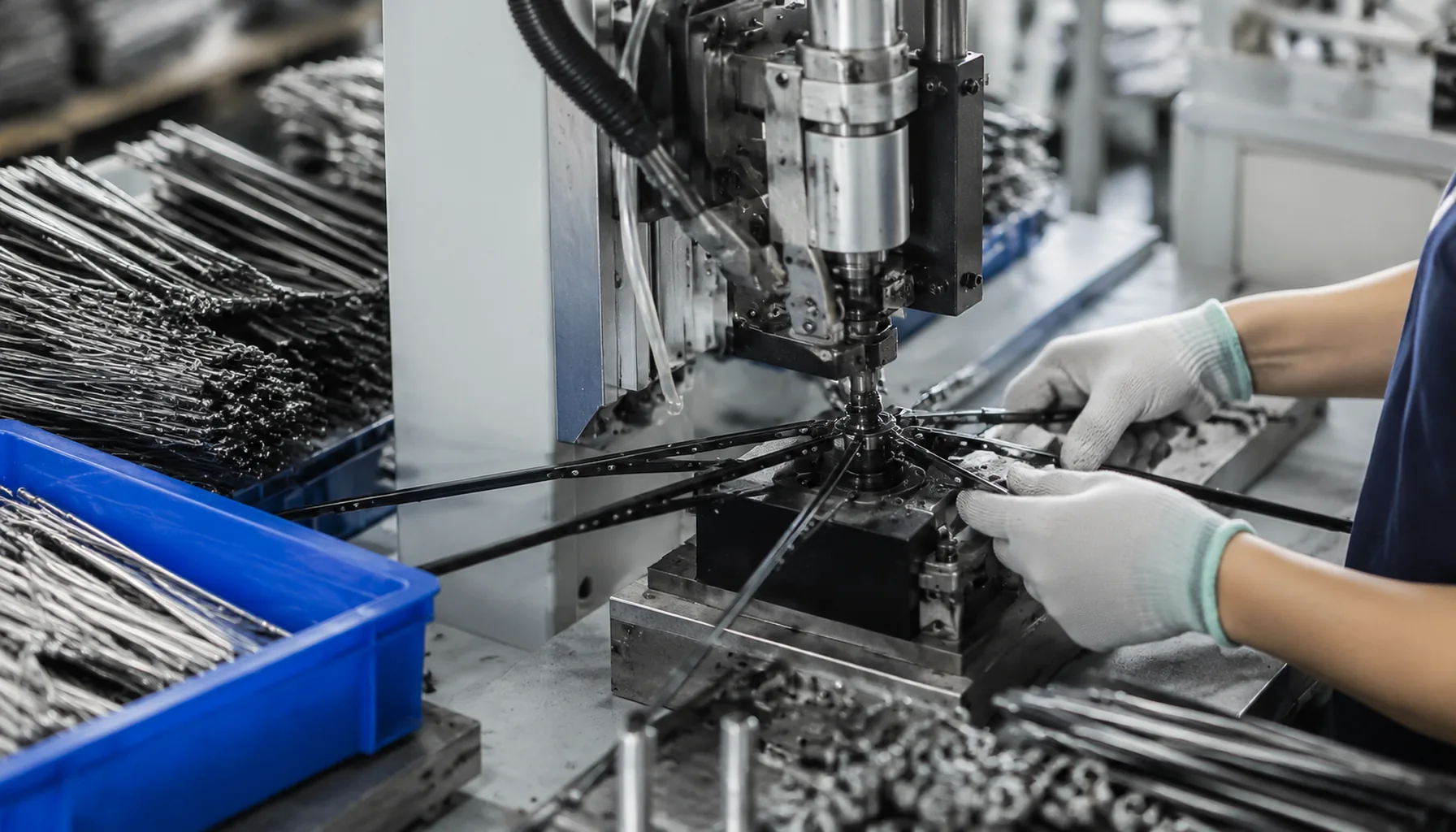
Umbrella Frame Riveting Process for Strong OEM Builds
See how rib riveting, runner assembly, and in-line pull checks improve umbrella frame strength before final canopy mount...
Read More »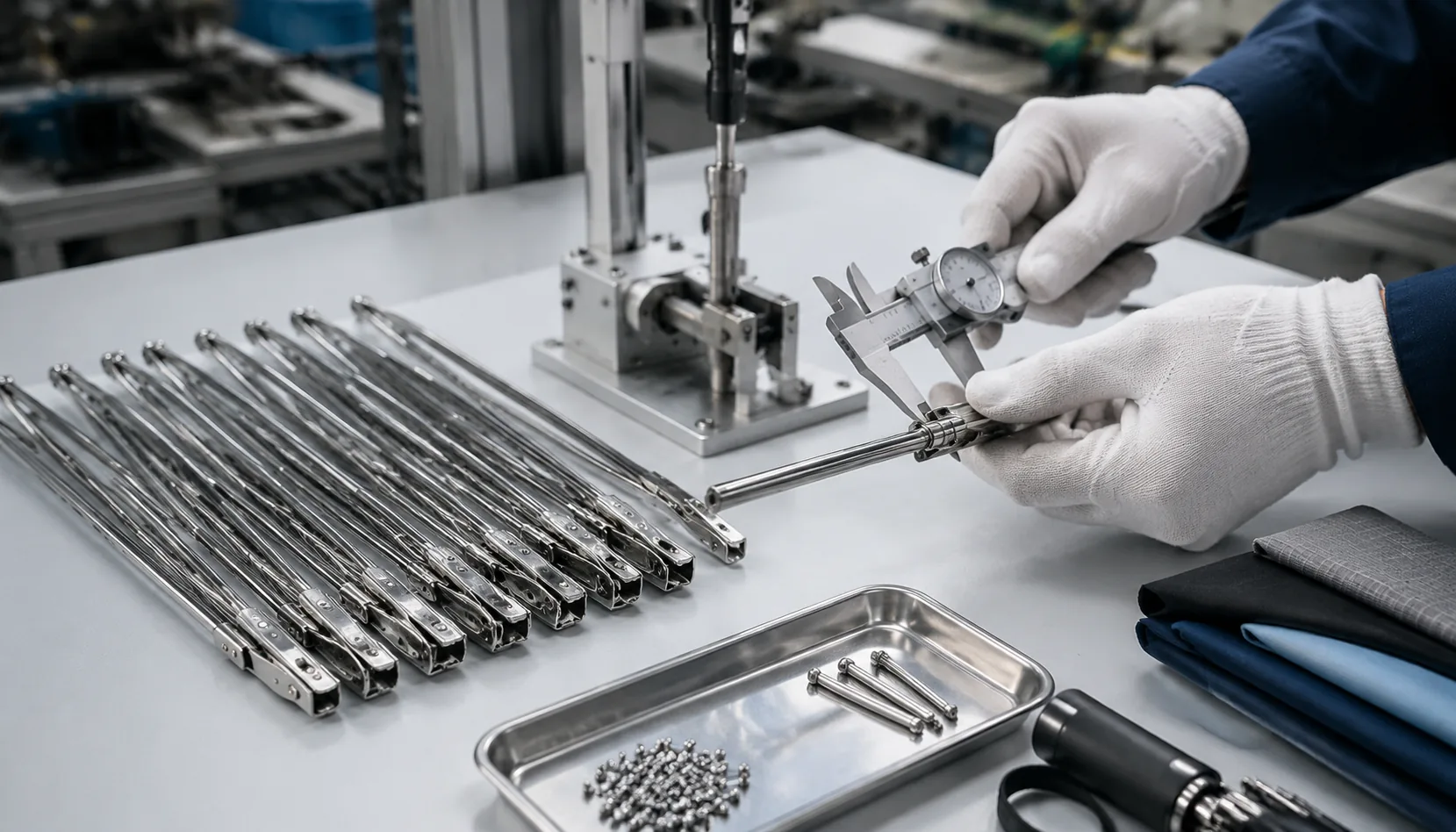
Umbrella Frame Riveting Quality: Tolerances and Pull Tests
Specify rivet fit, pull strength, and in-process checks to reduce loose ribs, canopy sag, and field failures in OEM umbr...
Read More »