Umbrella Frame Riveting Quality: Tolerances and Pull Tests
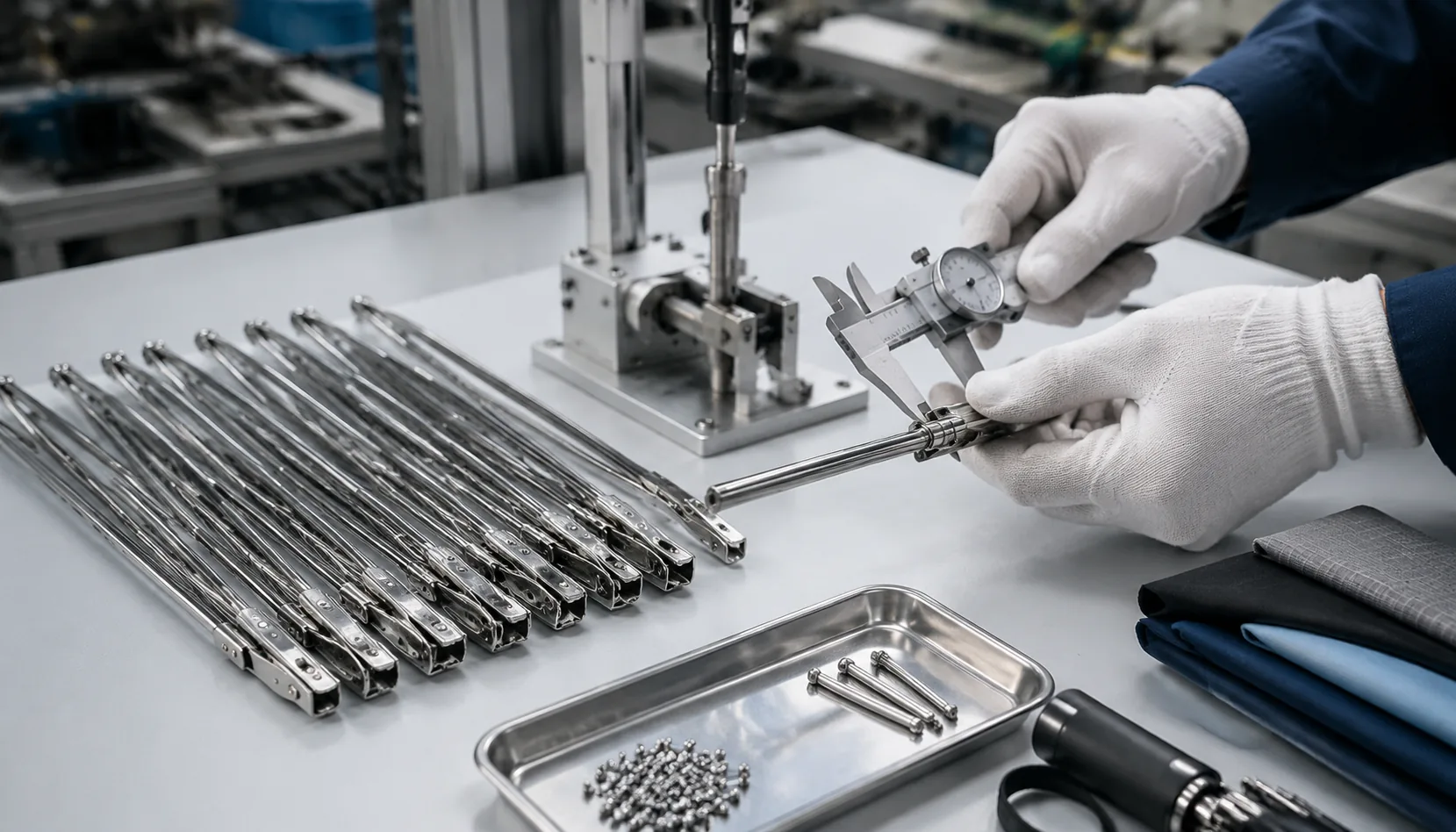
Loose ribs and canopy sag usually start at the riveting bench, not in final inspection, so buyers need clear limits before mass production begins. For umbrella riveting quality control, we set rivet length, washer fit, hole clearance, and pull-test targets by frame type, then verify them during line changeover and hourly sampling. That prevents soft joints, cracked ribs, and shipment claims that only appear after repeated opening cycles.
Rivet Points That Carry the Most Load
The rivets that decide umbrella life are not spread evenly across the frame. In umbrella frame assembly, the highest-load points are the runner-to-stretcher joints, the stretcher-to-rib joints, the rib-to-tip or end cap area, and the notch connections around the top hub. The runner rivets take repeated shock every time an auto-open spring launches the canopy; if the hole is oval by more than about 0.10 mm, the umbrella starts to feel loose after only a few hundred cycles. The stretcher-to-rib rivet carries bending load when wind pushes the canopy backward, so we check both side play and rotation freedom. Tight is not always good: a crushed rivet head can lock the joint, tear 190T or 210T pongee at the seam line, or make the rib buckle before the frame can flex.
8K, 10K, and 16K frames do not fail in the same place because load is divided differently. An 8K straight umbrella puts more force into each rib and stretcher, so the rib rivet pull test must focus on shear strength and hole elongation after cycling. A 10K frame gives better canopy support but adds more joints, which means more variation in riveting pressure if the jig is not indexed correctly. A 16K frame looks premium and round, but the small spacing around the notch makes rivet alignment harder; one rivet set 0.5 mm off-center can make the canopy tension uneven. In our umbrella QC process, we usually cycle samples 500–1,000 times, then check rivet looseness, runner wobble, and whether the notch holes have started to flare.
Fiberglass ribs and steel ribs need different umbrella riveting quality control because they wear differently around the hole. Steel ribs are strong in shear but can cut into softer rivets if the hole edge has burrs, so deburring and nickel-plated or stainless rivets matter more than people think. Fiberglass ribs do not rust and recover better in 40–50 mph gust tests, but drilled holes can develop micro-cracks if the rivet shank is too large or the setting pressure is too aggressive. For OEM umbrella production, I prefer matching rivet diameter to the actual hole gauge, not the drawing alone: commonly 2.0–2.5 mm rivets for compact frames and heavier 2.8–3.2 mm rivets for 27" or 30" golf umbrellas. Good umbrella riveting quality control means measuring pull resistance, rotation smoothness, and hole wear together, not just checking whether the rivet head looks clean.
Hole Diameter, Rivet Length, and Crimp Control
Hole fit is the first gate in umbrella riveting quality control because a bad hole cannot be corrected by a stronger press stroke. For common 8K and 10K umbrella frame assembly using 1.8–2.2 mm rivets, I normally hold punched or drilled holes at rivet diameter +0.05 to +0.12 mm on steel ribs and +0.08 to +0.15 mm on fiberglass ribs, because fiberglass needs a little clearance to avoid edge stress. Burr height should stay under 0.03 mm on plated steel; anything sharper will scratch nickel, black electrophoresis, or painted finishes during rib rotation. On fiberglass, the hole must be clean, not melted or whitened. If the jig pin enters with force, the operator will twist the rib, and that small twist becomes a cracked rib after the canopy is tensioned on a 23-inch or 27-inch frame.
Rivet shank length should be checked before production, not after 5,000 frames are already stacked in WIP. A practical rule is grip thickness plus 0.7–1.0 times the rivet diameter for semi-tubular rivets, with tighter control for compact auto-open-close frames where the runner and stretcher stack is thick. For a 2.0 mm rivet through two thin steel parts, exposed shank often lands around 1.4–1.8 mm before crimping; for fiberglass-to-steel joints, I prefer the low side to reduce radial splitting. The rib rivet pull test should be defined by frame type: light promotional 21-inch manual umbrellas may use a lower internal limit, while 27-inch golf umbrellas with fiberglass ribs should hold a stronger pull and still rotate smoothly. In OEM umbrella production, sample approval should include rotation feel, not just dimensions on a caliper sheet.
Crimp height is where many factories hide problems. A crimp that looks flat and “secure” may actually be over-crimped, locking the rib so it cannot pivot under wind load; that causes bent stretchers, torn 190T pongee pockets, or broken fiberglass during a 50+ mph wind-tunnel check. A loose crimp has the opposite failure mode: the rib rotates with side play, the canopy alignment shifts, and the umbrella develops a clicking noise after repeated open-close cycling. Our standard umbrella QC process at ZheBrella records crimp head diameter and height during first-piece inspection, then repeats checks every 500–800 frames depending on line speed. For AQL 2.5 final inspection, I still ask inspectors to hand-flex random frames because scratched plated steel, oval holes, and hairline fiberglass cracks often show up by feel before they show clearly under factory lighting.
In-Process Pull and Rotation Tests
Pull testing has to happen while the frame is still moving through umbrella frame assembly, not after 5,000 pieces are already packed. For standard 23" and 27" stick umbrellas, we normally sample ribs from each riveting station every 30 to 60 minutes, with extra checks after needle changes, rivet feeder jams, or a shift handover. A typical rib rivet pull test uses a spring gauge or digital force gauge clamped at the rib end, pulling in line with the rivet joint until either the joint slips, deforms, or reaches the set force. For light 8K promotional frames, 35-45 N is common; for 10K or 16K reinforced fiberglass ribs, buyers may specify 55-70 N depending on rib thickness and stretcher geometry. The point is not to destroy every sample. The point is to catch loose mushroom heads, under-set rivets, cracked plastic runners, and mismatched rib/stretcher holes before they become an AQL 2.5 defect pile at final inspection.
Rotation checks are just as important as the rib rivet pull test because an over-tight rivet can pass pull force and still make the umbrella feel bad. Operators should swing each sampled rib and stretcher through its working angle and feel for binding, sideways play, or grinding around the rivet head. On steel ribs, excessive rotation play often means the hole was punched oversize or the rivet shank is too small; on fiberglass ribs, the more common problem is crushed inserts or uneven rivet pressure that creates stress whitening. In our umbrella QC process, a good joint rotates smoothly without wobble, and the rib tips should align evenly when the frame is closed. For auto-open and auto-open-close mechanisms, we also check runner travel, spring release, and top notch locking because a tight rivet at one stretcher can slow the whole canopy opening. This is practical umbrella riveting quality control, not cosmetic inspection.
Open-close cycling should be recorded by station and lot, because random comments like “some frames are loose” are useless in OEM umbrella production. During in-process checks, we cycle sampled frames 20-50 times depending on order risk: 20 cycles for simple manual 21" promotional umbrellas, 30 cycles for 23" auto-open models, and 50 cycles or more for windproof double-canopy frames with fiberglass ribs. Failures are logged against the riveting machine number, operator, frame lot, rib batch, rivet size, and time window, so the supervisor can quarantine only the affected WIP instead of stopping the entire line. Typical codes include loose rivet, frozen rotation, rib split, stretcher deformation, runner jam, and failed lock. Good umbrella riveting quality control also keeps failed samples tagged on a board near the line; workers learn faster from a real cracked rib or tilted rivet head than from a spreadsheet nobody reads.
How Riveting Affects Canopy Fit and Wind Performance
Riveting accuracy decides whether the canopy sits like a drum or fights the frame at every seam. In umbrella frame assembly, a rib rivet that is 0.5 mm off-center can change the rib arc enough to create one loose panel and one overstretched panel after the 190T or 210T pongee canopy is fitted. Buyers often notice it as twisted tips, uneven scallop lines, or fabric pulling diagonally from the top notch to the rib end. On the floor, we check this before final trimming because sewing cannot correct a bad frame geometry. Good umbrella riveting quality control means the rivet head is seated flat, the joint rotates without binding, and the rib does not wobble side-to-side when opened. For 8K and 10K straight umbrellas, even one sloppy stretcher joint can make the canopy look cheap; for 16K frames, accumulated small errors make the whole umbrella feel heavy and noisy.
Loose rivets also waste the engineering built into windproof umbrellas. A double-canopy vented design depends on synchronized rib movement: the lower canopy holds structure while the upper vent releases pressure in gusts. If the stretcher-to-rib joint has too much play, the frame flexes unevenly, the vent gap changes from panel to panel, and wind escapes through the wrong places. That reduces real wind performance long before a lab report claims the umbrella survives 50+ mph. In our umbrella QC process, we open and close samples repeatedly, listen for clicking or rattling, and check whether fiberglass ribs return to the same crown line after deflection. Steel ribs hide some defects because they are stiffer, but once bent they stay bent; fiberglass exposes bad riveting faster because the joint movement becomes visible under load.
The rib rivet pull test is a simple but useful gate in OEM umbrella production because it separates cosmetic assembly from structural assembly. We clamp the rib or stretcher near the joint, apply a controlled pull, and confirm the rivet does not loosen, elongate the hole, or pop the washer. The exact force depends on frame size and material: a 21 inch folding umbrella should not be judged the same as a 27 inch golf umbrella with fiberglass ribs and a double-canopy layout. After fitting 190T or 210T pongee canopies, we recheck crown height, tip alignment, panel tension, and closing smoothness, because fabric tension can expose rivets that passed bare-frame inspection. At ZheBrella, umbrella riveting quality control is recorded alongside AQL 2.5 final inspection notes, not treated as a hidden workshop issue.
Buyer Specs to Add to the Tech Pack
The tech pack should lock the frame before it talks about logos, because umbrella riveting quality control depends heavily on the material stack. Specify steel, aluminum, fiberglass, or mixed construction; rib count such as 8K, 10K, or 16K; rib length such as 21", 23", 27", or 30"; and whether the runner, notch, stretchers, and tips are standard or reinforced. A fiberglass rib with a steel stretcher needs a different riveting pressure than an all-steel promotional frame, and if the factory guesses, you will see either loose joints or crushed eyelets. Define rivet material and finish clearly: nickel-plated steel, black electrophoretic, brass-color plating, or stainless for higher-corrosion programs. For retail OEM umbrella production, I also want the tech pack to state whether visible rivet heads must match shaft and rib color, because changing finish after sampling can affect cost, lead time, and MOQ.
Acceptable play must be written as a measurable tolerance, not “not too loose.” A practical spec for umbrella frame assembly is lateral movement at each rib-stretcher joint under 0.5 mm for compact 21" and 23" umbrellas, and under 0.8 mm for larger 27" and 30" golf umbrellas, measured after 20 open-close cycles. The rib rivet pull test should define force, direction, and failure rule; for example, no rivet separation at 80 N for standard steel ribs and 100 N for reinforced fiberglass golf frames, with deformation allowed only if canopy function is not affected. Add sampling frequency to the umbrella QC process: first-piece approval per riveting machine setup, in-line check every 300 to 500 frames, and final AQL 2.5 inspection with a separate critical defect rule for missing, cracked, or loose rivets. Our standard practice at ZheBrella is to record pull-test results by frame batch, not only by finished umbrella PO.
MOQ implications should be stated before the purchase order is issued, because rivet finish, custom rib plating, and non-standard pull-test requirements can move a project from stock-frame assembly into custom frame preparation. A normal MOQ may be 500 to 1,000 pieces for stock 190T or 210T pongee umbrellas, but custom black rivets, reinforced 10K fiberglass ribs, or private-mold runners can push practical MOQ to 2,000 to 5,000 pieces. The tech pack should also say when corrective action is mandatory: before bulk canopy sewing, before final packing, before FOB handover, or before DDP shipment. For DDP programs, buyers should be stricter because rework after overseas delivery is expensive and slow. A clean clause is: any failed rib rivet pull test or loose-joint rate above the agreed AQL requires sorting, machine adjustment, replacement of affected frame lots, and written corrective action before shipment release.
Frequently Asked Questions
Should buyers specify different rivets for fiberglass and steel ribs?
Yes. Fiberglass ribs usually need controlled hole sizing and rivets that avoid crushing, while steel ribs need corrosion-resistant plating and consistent crimping to prevent looseness.
Can rivet defects pass final inspection but still fail later?
They can if only visual checks are used. Add pull, rotation, and open-close cycle checks during assembly, then verify finished goods under AQL 2.5 before shipment.
What rivet checks should be included during umbrella frame assembly?
For OEM orders, inspectors should verify rivet diameter, hole alignment, head forming, rib movement, and loose or over-tight joints during in-process checks. A common approach is first-piece approval, then patrol inspection every 1–2 hours or by production lot.
What pull test level is practical for umbrella rib rivets?
Pull strength depends on frame size and material, but many importers specify a minimum rib rivet pull force such as 60–100 N for standard folding umbrellas and higher levels for golf or windproof models. The exact requirement should be confirmed on the approved sample and written into the QC checklist.
How many frames should be tested before shipment?
For bulk OEM umbrella production, factories commonly test samples by AQL inspection, with additional in-line pull checks at the riveting station. For high-risk orders, buyers may require 5–10 frames per production batch for rivet pull and open-close cycle checks before final packing.
Looking to Launch Your Custom Umbrella Line?
ZheBrella is a Zhejiang-based OEM/ODM umbrella manufacturer with 17 years of export experience. Free design, low MOQ from 100 pieces, windproof construction, full-color print.
Get Free Quote Now »People Also Search For
Related Articles
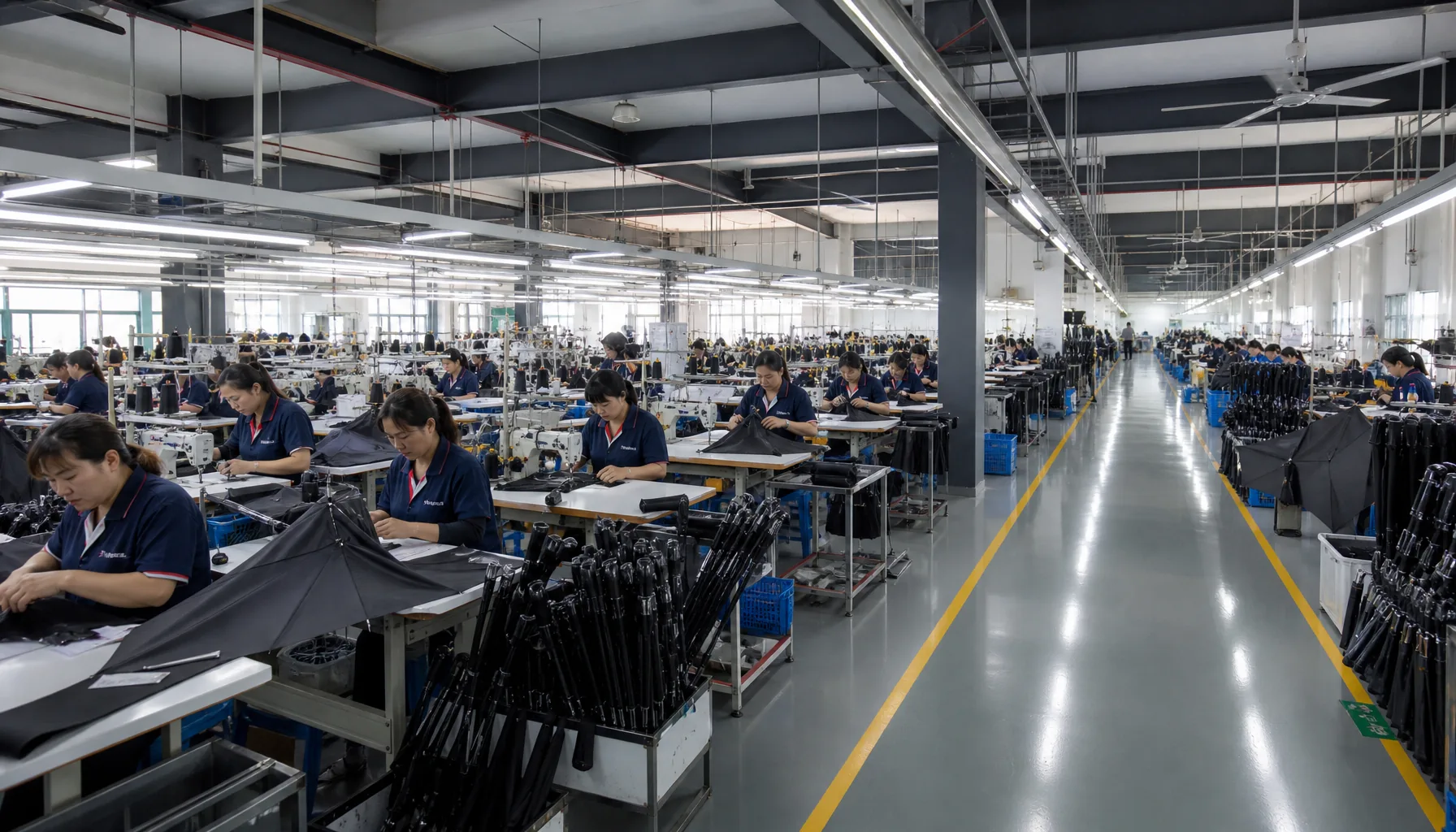
Umbrella Frame Riveting Process Controls for OEM Durability
See how rivet diameter, setting force, washer fit, and in-line pull tests prevent loose ribs, noisy frames, and AQL 2.5 ...
Read More »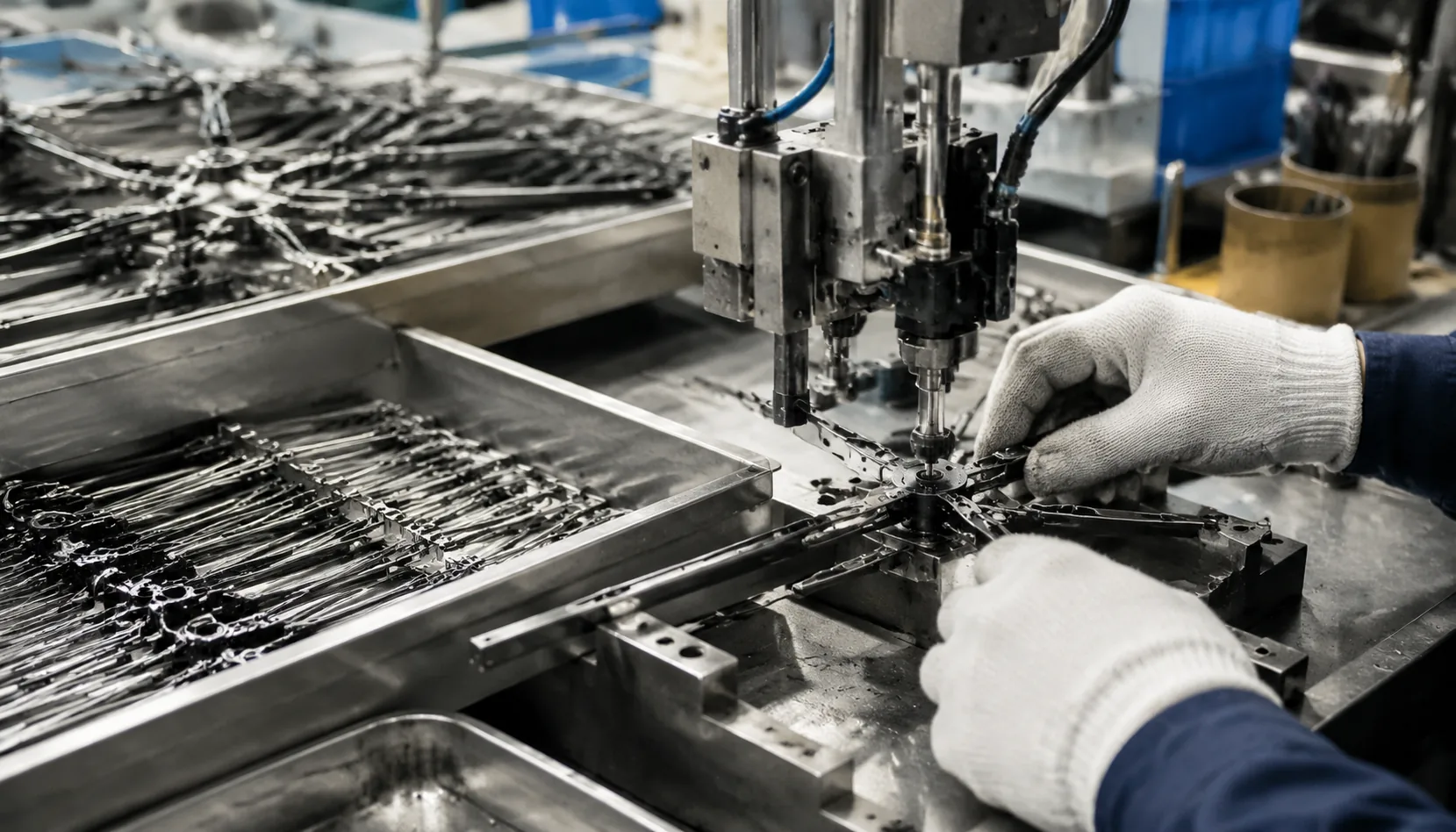
Umbrella Frame Riveting Process Control for Bulk Orders
See how rivet size, hole alignment, and pull-force checks improve umbrella frame durability across fiberglass, steel, 8K...
Read More »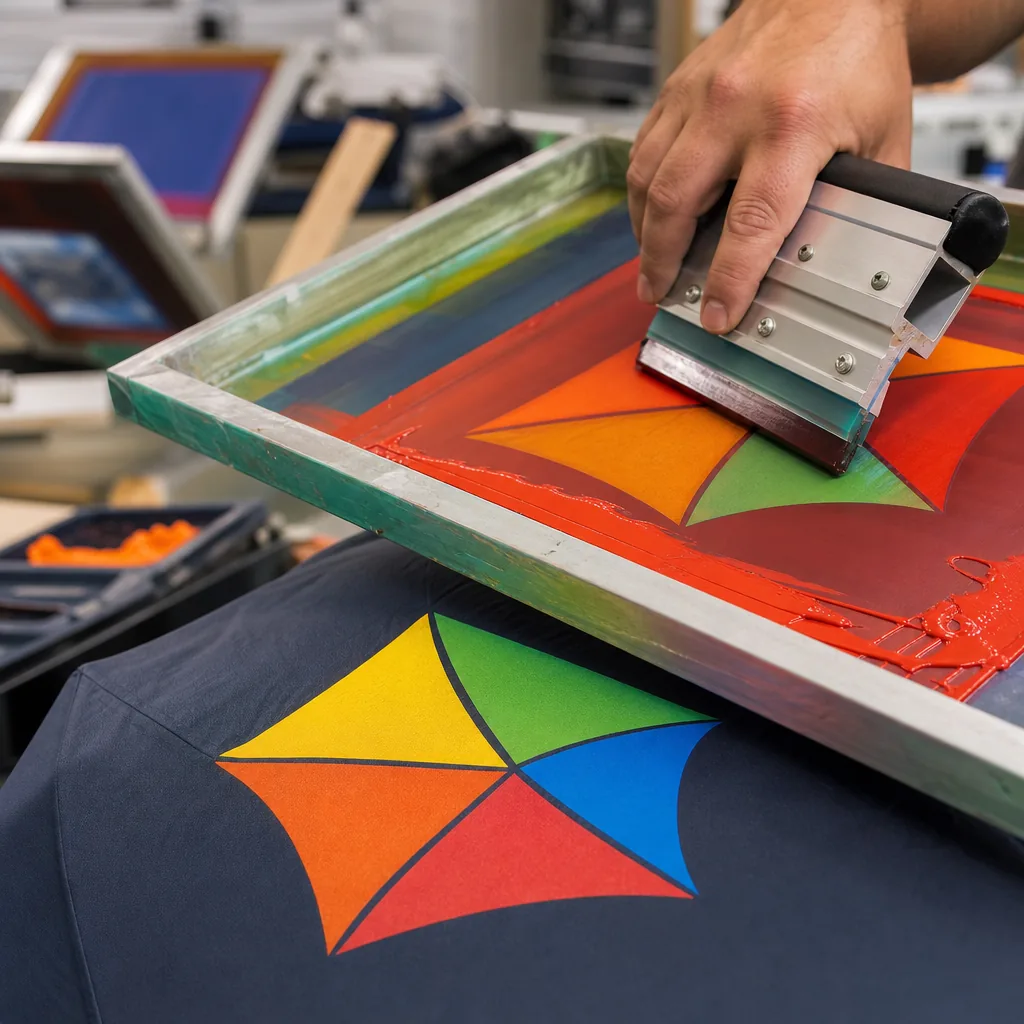
Umbrella Frame Riveting Process for Durable OEM Orders
See how rivet specs, hole tolerance, and pull-force checks keep 8K and 16K umbrella frames consistent before AQL inspect...
Read More »