Umbrella Insert Cards That Strengthen Private-Label Branding
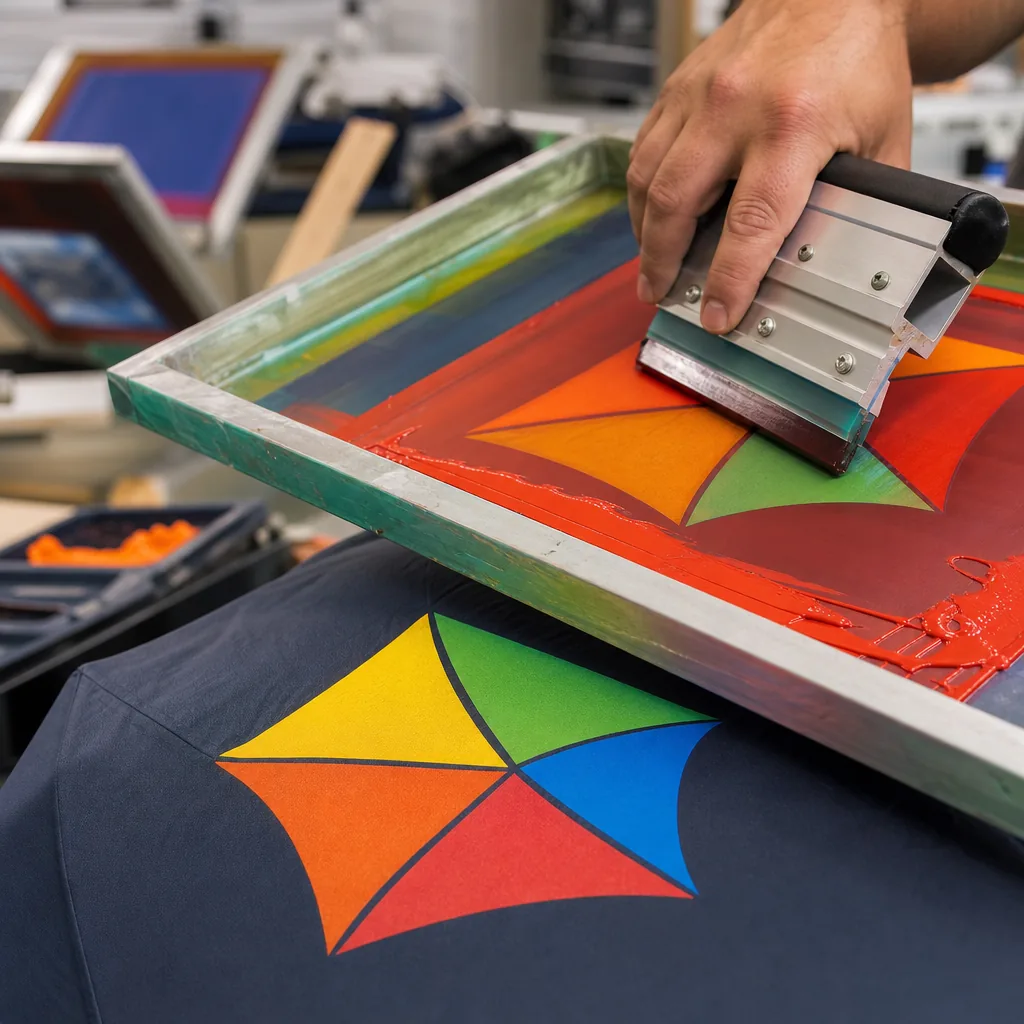
When a buyer opens a private-label umbrella carton, the product is not the only thing being inspected; the message inside has to justify the brand promise, reduce after-sale questions, and look consistent across every SKU. On our Songxia factory floor, we see umbrella insert cards work best when they are planned with the canopy, handle tag, pouch, and packing method from the start, so feature notes, care steps, warranty terms, and brand story fit cleanly without slowing final packing.
What Insert Cards Add to the Brand Experience
The best umbrella insert cards do more than repeat a logo; they explain why the product costs what it does. A clean card can point out the windproof frame, fiberglass ribs, UPF 50+ canopy coating, and auto-open function in plain language, which helps the buyer understand performance before they ever open the canopy. That matters in retail because shoppers often compare umbrellas fast, and it matters in private label umbrella branding because the insert becomes the small, controlled space where quality is explained without adding printing to the canopy itself. Well-written umbrella insert cards also reduce complaints later, since the user sees the opening direction, drying instructions, and storage notes right at first use.
For corporate gifting, branded umbrella packaging inserts do a job the box cannot do alone: they make the gift feel complete and intentional. A card can carry a short brand message, a QR code to product care details, or a contact line for replacement support, which is more useful than stuffing the package with generic filler. In hotel programs, the same insert can explain guest-friendly features like easy auto-open operation, vented windproof construction, and how to shake off water before returning the umbrella to the room. I also prefer umbrella care cards to be written for real use, not marketing copy, because guests and employees keep the card if it solves a problem the first time they use the umbrella.
From a production standpoint, umbrella warranty cards and care inserts are cheap insurance against misuse and unnecessary claims. If the canopy is coated polyester or pongee with UPF 50+, the card should say not to leave it folded while wet, not to bleach it, and not to force the frame closed if the runner catches. That is basic, but it cuts down on damage claims and helps the product feel like a finished branded system instead of a loose promotional item. ZheBrella normally treats umbrella insert cards as part of the package spec, because when they match the frame, canopy, and warranty language, they support the sale long after the first impression.
Choosing the Right Card Format
The safest format is the one that does not fight the umbrella’s folded diameter. For 21" and 23" compact umbrellas, I usually keep umbrella insert cards between 55 x 85 mm and 75 x 110 mm if they sit inside a fabric sleeve; anything wider starts pressing against the 190T or 210T pongee folds and can leave a crease after carton compression. A folded care card works well at 60 x 90 mm folded, with a 120 x 90 mm open panel for drying instructions, Teflon coating notes, UPF 50+ claims, and frame details such as 8K fiberglass ribs or steel shaft construction. Use 250–300 gsm art card if it goes into a sleeve, not 400 gsm board, because thick stock corners can rub the canopy during ocean freight.
Warranty cards should be more durable and easier to keep than basic umbrella care cards. A flat 85 x 54 mm card, the same footprint as a business card, fits cleanly in compact sleeves, gift boxes, and retail cartons without bending around the runner or rib tips. For private label umbrella branding, this card should carry the claim terms, QR registration, batch code, and supplier contact, not just a logo. If the umbrella is auto-open-close or rated for 50+ mph in a wind-tunnel style test, the warranty copy needs to define normal use clearly; we see too many returns caused by customers forcing the shaft closed before the mechanism resets.
Thank-you cards and feature cards are better for presentation than compliance, so placement matters. In a gift box for a 23" folding umbrella or 27" golf umbrella, a 90 x 140 mm card can sit flat above the canopy with tissue or a PE bag separating it from wet-look coatings, POE windows, or heat-transfer logos. On hang loops, branded umbrella packaging inserts should be lighter, around 200–250 gsm, with a drilled hole and reinforced eyelet if the retail display will be handled heavily. Our standard practice at ZheBrella is to keep umbrella warranty cards inside the sleeve or box, while feature cards hang outside only when they explain visible selling points such as double-canopy venting, 10K ribs, reflective tape, UV coating, or FSC handle materials.
Copy and Icon Content Buyers Should Include
The best umbrella insert cards do not try to tell the whole sales story; they confirm the buyer made a specific, well-built product choice. I like to see the fabric called out plainly: 190T pongee for standard promotional and retail umbrellas, 210T pongee for a denser hand feel, or POE/PVC/EVA when the canopy is transparent. If the canopy has Teflon water-repellent treatment or a UV coating, say so only when the production order and test report support it, such as “UPF 50+ tested canopy” instead of a vague “blocks all sun.” For frames, list the real build: 8K steel ribs, 8K fiberglass ribs, or 10K/16K reinforced construction. If the umbrella uses a double-canopy vented windproof design, describe it as “vented canopy helps release wind pressure,” not “stormproof,” unless you have wind-tunnel data, for example survives 50+ mph under defined test conditions.
Instruction icons should prevent misuse, especially on auto-open-close folding umbrellas where customers often break the shaft by forcing it. Use simple icons for “press button to open,” “press button to close canopy,” and “push shaft down until it clicks.” For manual stick umbrellas, the card can show “slide runner up to lock” and “press release button before closing.” Drying guidance belongs on every private label umbrella branding insert: shake off water, leave canopy open until dry, avoid storing wet in the sleeve, and keep away from prolonged high heat in a car trunk. For UV umbrellas, add a care note that coating performance can be reduced by abrasion, harsh detergent, or machine washing. These details are not decoration; they reduce returns and make branded umbrella packaging inserts feel like product documentation instead of a throwaway leaflet.
Warranty and service content should be concrete enough that a retail customer can act without contacting the distributor first. Include a QR code or URL, service email, batch number location, purchase proof requirement, and warranty scope such as “12 months against frame or mechanism defects under normal use.” Keep exclusions visible: wind damage from extreme weather, accidental bending, fabric punctures, and logo wear from misuse should not be buried. Umbrella warranty cards can also double as umbrella care cards if the layout is tight: one side for icons and care, one side for warranty and brand contact. Our standard practice at ZheBrella is to match insert-card claims to the approved sample sheet, AQL 2.5 inspection checklist, and any UV or windproof test files before mass packing. Unsupported claims like “unbreakable,” “hurricane proof,” or “100% UV protection” create chargeback risk and should be removed before print approval.
Print Specs and Brand Consistency Controls
Treat umbrella insert cards as production parts, not loose marketing flyers, because one wrong shade or outdated warranty line can make a private-label program look careless. For most retail and promotional umbrella orders, I prefer 250–300 gsm coated art card when the insert sits inside a clear OPP sleeve or rigid gift box; it keeps edges flat and gives clean photo reproduction. For eco-positioned lines, 250 gsm uncoated FSC stock feels better in the hand, but buyers must accept slightly lower ink density and more dot gain. Small care cards for 21" or 23" compact umbrellas can run 90 x 55 mm, while 27" or 30" golf umbrellas usually justify A6 or 100 x 150 mm cards so warranty terms, care icons, and QR codes remain readable. If the umbrella uses premium 210T pongee with Teflon coating or UPF 50+ treatment, the card should state those finishes exactly as approved, not with vague claims that later create inspection or compliance trouble.
Color control should follow the same discipline used for canopy panels, woven labels, hangtags, and cartons. Pantone references need to be locked before mass printing, especially when the same brand color appears on a 190T pongee canopy, EVA handle logo, carton mark, and branded umbrella packaging inserts. Coated stock and uncoated stock do not read the same, so we keep separate Pantone targets or approved drawdowns for C and U values. QR codes should be tested after final print proofing at the real card size, not only on a PDF; I want at least 15 mm square for reliable scanning, with a quiet zone that the designer does not invade. Multilingual layouts for the U.S., EU, Japan, and Middle East need controlled text blocks, because German and French expand fast and can crowd safety warnings, umbrella care cards, and umbrella warranty cards.
The cleanest control method is to tie umbrella insert cards to the same artwork sign-off file as canopy printing, sleeve sticker, inner box, and master carton, with one revision number covering the whole set. Our standard practice at ZheBrella is to freeze a PDF proof and a physical sample before cutting bulk card stock, then record the version in the production order, QC checklist, and packing instruction. This matters when a buyer changes a warranty period from 6 months to 12 months, updates a distributor address, or swaps a QR code from a campaign page to a registration page after the canopy artwork is already approved. During AQL 2.5 final inspection, the inspector should verify card version, language mix, placement, and carton quantity against the signed packing spec. For private label umbrella branding, consistency is not just the logo looking pretty; it is every printed item telling the same technical and commercial story.
Production, Packing, and Inspection Workflow
Insert cards should enter the packing line only after the umbrella has passed functional inspection, not during sewing or frame assembly. On a typical 23" auto-open straight umbrella or 21" folding auto-open-close model, the operator first checks canopy print position, rib action, runner lock, and handle finish; then the card is added before the sleeve or polybag is sealed. For private label umbrella branding, we usually treat the card as a controlled packing component, the same as a hangtag, barcode sticker, or color box. One umbrella equals one card unless the buyer specifies a set, such as one umbrella care card plus one umbrella warranty card. The packing worksheet must show the card version, language, SKU, and count per carton, because a mixed English/French or retail/e-commerce order can create mistakes fast. Our standard practice at ZheBrella is to keep approved card samples at the line head and require the packing leader to sign off before mass packing starts.
MOQ depends less on the umbrella frame and more on the printing method for the cards. Digital printing can support 300–500 pieces for trial orders, while offset printing normally makes sense from 1,000–3,000 pieces because plate setup and color matching cost are fixed. For a private-label umbrella order, I recommend approving the pre-production sample as a complete packed unit: umbrella, sleeve, polybag, insert card, master carton label, and any barcode or Amazon FBA label. This catches practical issues that artwork approval alone misses, such as a 120 x 80 mm card being too wide for a slim sleeve or a 300 gsm card creating a visible corner bulge in a tight retail box. Branded umbrella packaging inserts should also be checked under the same light used for canopy print approval, especially when the card uses a PMS brand color next to a 190T or 210T pongee canopy logo.
Final inspection should include umbrella insert cards in the AQL 2.5 checklist, not leave them as a casual packing detail. We pull finished cartons by SKU and inspect the actual packed unit for missing cards, wrong language, wrong warranty term, ink smears, scuffed coating, and bent corners. A missing card is usually counted as a major defect because it affects retail presentation and customer service; a small corner bend may be minor if it is hidden inside a sleeve, but it becomes major for premium gift-box packing. For multi-market orders, inspectors should open enough units from each language carton to confirm the English, Spanish, German, or Japanese version matches the shipping mark. I also like carton-level reconciliation: if 50 umbrellas are packed per carton, the card bundle issued to that station should reduce by exactly 50. This simple count prevents the most common failure in umbrella care cards and warranty inserts: the last 200 units packed after lunch with the wrong stack of cards.
Frequently Asked Questions
Can insert cards be customized by market or language?
Yes. Many buyers keep the umbrella and sleeve consistent while changing insert cards by country, retailer, or campaign. Confirm carton markings so mixed-language SKUs are not packed together.
Do insert cards increase umbrella lead time?
Usually they add only a few days if artwork is approved early. Delays happen when QR codes, warranty text, or compliance wording are not finalized before mass production.
What information should a private-label umbrella insert card include?
A strong insert card usually includes opening and closing instructions, fabric care, wind or UV features, warranty terms, and brand contact details. For retail programs, many buyers also add a QR code linking to registration, videos, or after-sales support.
Can insert cards be packed with each umbrella during OEM production?
Yes. Insert cards can be placed inside the sleeve, tied to the handle, or packed with the retail box depending on the packaging style. Buyers should confirm card size, folding method, and placement before mass production to avoid repacking costs.
What are common specifications for umbrella warranty or care cards?
Common options include 250–350 gsm art paper, matte or gloss lamination, double-sided printing, and sizes such as A6, 100 x 150 mm, or custom folded cards. MOQ often follows the umbrella order quantity, but printing setups are usually more cost-effective above 1,000–3,000 pieces.
Looking to Launch Your Custom Umbrella Line?
ZheBrella is a Zhejiang-based OEM/ODM umbrella manufacturer with 17 years of export experience. Free design, low MOQ from 100 pieces, windproof construction, full-color print.
Get Free Quote Now »People Also Search For
Related Articles
Umbrella Insert Cards for Private-Label Brand Storytelling
Use insert cards to explain fabric, frame, care, warranty, and brand values while improving perceived value in private-l...
Read More »
Umbrella Retail Insert Cards for Brand Storytelling
Use insert cards to explain umbrella quality, care, and brand story while keeping the canopy, pouch, and retail packagin...
Read More »Care Cards and Warranty Inserts for Branded Umbrella Orders
Add care and warranty inserts that reduce returns, clarify claims, and give branded umbrella orders a more complete reta...
Read More »