Umbrella Packaging Inserts for Premium Brand Education
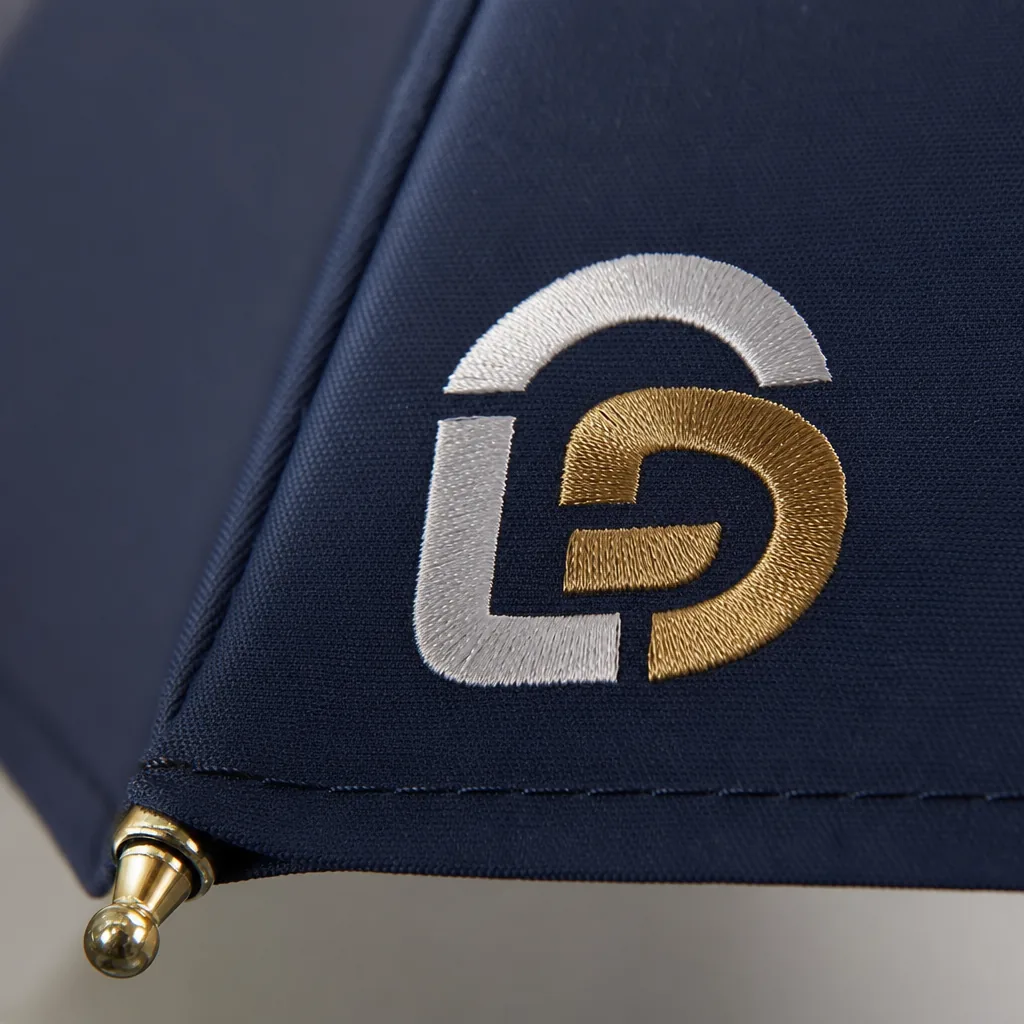
Premium umbrellas often lose value at the shelf because the buyer cannot see the frame spec, fabric coating, or UV performance behind the design. In our Songxia production lines, we treat umbrella packaging inserts as part of the product build: care cards, warranty slips, and QR cards must match the actual ribs, shaft, canopy fabric, and test claims. Done right, they reduce retailer questions and help consumers understand why a higher-grade umbrella costs more.
Why Inserts Matter for Branded Umbrellas
The insert is the cheapest salesperson inside the box, and it often explains value better than the hangtag. A buyer can see a logo, but they cannot see why a 23" auto-open stick umbrella with 8K fiberglass ribs costs more than a steel-rib giveaway unless the packaging tells them. Good umbrella packaging inserts call out the build: 190T or 210T pongee canopy, Teflon water-repellent finish, UPF 50+ coating, double-canopy venting, reinforced rib tips, and wind testing such as 50+ mph survival. For premium umbrella packaging, I prefer one clean card with a short product diagram rather than a crowded leaflet. Retail umbrella inserts should make the end user understand the difference between a basic manual-open frame and an auto-open-close compact, or between PVC, POE, EVA, and pongee canopies, in less than 30 seconds.
Care instructions reduce returns because most umbrella failures start with abuse, not factory defects. Branded umbrella care cards should tell users to dry the canopy open before storage, avoid forcing a wind-inverted frame closed, rinse salt water from beach umbrellas, and keep clear POE or PVC panels away from high heat that can deform the film. Warranty language should be specific: for example, 12 months against manufacturing defects in ribs, runner, shaft, and sewing, excluding storm damage, misuse, or normal coating wear. In OEM umbrella packaging, the insert can also state inspection standards such as AQL 2.5 for major defects and remind distributors how to submit batch photos, PO number, and carton mark details for a claim. That kind of clarity saves long email chains after delivery.
Sustainability and digital content belong on the insert, not buried on a website. A QR code can take the customer to a landing page with factory audit documents, recycled polyester certification, repair videos, campaign artwork, or event-specific registration. For corporate gifting, we often add a short gift message on one side and practical details on the other, so the card feels intentional instead of disposable. Our standard practice at ZheBrella is to size these cards around the folded umbrella format: smaller for 21" compact umbrellas, longer for 27" golf umbrellas, and stiff enough not to curl inside a sleeve or gift box. Umbrella packaging inserts cost little compared with molded handles, custom shafts, or full-color canopy printing, but they protect the brand story after the FOB or DDP shipment has already left the factory.
Match Insert Content to Umbrella Specs
The insert should teach the buyer what they can feel in the hand, not repeat vague catalog language. For fiberglass ribs, I would write that the rib set is designed to flex under gust load and recover shape better than painted steel ribs; I would not call it “unbreakable.” For a steel shaft, the honest claim is rigidity and lower twisting during opening, especially on 23" and 27" stick umbrellas, but it also means more weight than aluminum. If the frame is 8K, say it uses eight rib assemblies for balanced daily rain coverage; if it is 16K, explain that the extra ribs create a rounder canopy profile and better load distribution, with a slightly heavier hand feel. Good umbrella packaging inserts turn these trade-offs into owner education, so the customer understands why a 16K gift umbrella feels more substantial than a low-cost 8K giveaway.
For double-canopy windproof builds, the card needs to be precise: the vented upper canopy lets air escape to reduce inversion risk, while fiberglass ribs and stretcher joints absorb part of the gust force. If the umbrella has passed a wind-tunnel test, print the rating clearly, such as “tested to withstand 50+ mph gusts under controlled conditions,” and keep the test report file tied to the PO. If it has not been tested, use softer language like “wind-resistant vented design” and avoid numbers. Auto-open mechanisms should be described in user terms: “press once to open; close manually until the runner clicks,” or “auto-open-close: press once to open, press again to collapse the canopy, then compress the shaft by hand.” Retail umbrella inserts should prevent misuse, because many returns come from forcing the runner before the spring has reset.
UPF 50+ fabric claims belong only on umbrellas using verified UV-coated pongee, black胶 coating, or qualified polyester with a lab report showing ultraviolet protection performance. A 190T or 210T pongee canopy can look premium, but fabric density alone does not prove UV blocking, water repellency, or colorfastness. Branded umbrella care cards should separate tested claims from care advice: “UPF 50+ tested,” “shake dry before storage,” “air-dry fully before closing the sleeve,” and “do not use the auto-open button while the securing strap is fastened.” For premium umbrella packaging and OEM umbrella packaging, our standard practice at ZheBrella is to align every printed claim with the approved spec sheet, AQL 2.5 inspection checklist, and any SGS, Intertek, or in-house wind and UV reports before mass production. Unsupported claims may look good in the gift box, but they become chargeback evidence when a retailer audits the shipment.
Insert Formats and Print Specifications
The insert format should match the selling channel, not the factory’s convenience. A simple care card works best for promotional and corporate gifts: 90 x 54 mm or 100 x 70 mm, usually 250-300 gsm art card, with drying instructions, frame warning, and logo story on one side. Folded leaflets are better for retail umbrella inserts because they allow multilingual care, UPF 50+ coating explanation, auto-open-close instructions, and recycling notes without forcing 6-point text. For a 23" auto-open folding umbrella in premium umbrella packaging, I prefer a 100 x 140 mm bi-fold on 157 gsm coated art paper; it sits flat in the sleeve and does not wrinkle the pongee 190T canopy. Warranty cards should be separate only when the buyer actually operates a claim system. Otherwise, a warranty line on the care card plus a QR code is cleaner and cheaper.
Paper choice changes the feel more than buyers expect. Coated stock gives sharper CMYK photos of handle texture, fiberglass ribs, or double-canopy venting, but uncoated 250-350 gsm paper feels more natural for eco-positioned umbrellas with RPET pongee or bamboo handles. For luxury retail, 300 gsm matte-laminated card with rounded corners avoids scuffing against the shaft, runner, or hang tag cord. Envelope inserts are useful when the umbrella includes spare tips, a repair note, or VIP registration card, but avoid thick envelopes inside tight 21" compact umbrella sleeves because they create pressure marks during carton compression. QR cards are the most efficient format for multilingual buyers: one printed side can cover care icons, batch code, and the QR link, while the landing page handles videos for manual, auto-open, and auto-open-close mechanisms.
For print specification, use CMYK for photos and broad color areas, but use Pantone spot colors when brand red, navy, or metallic gold must match the canopy logo, sleeve label, and hang tag. On small umbrella packaging inserts, minimum readable font is 7 pt for English, 8 pt for German or French, and 9-10 pt for Chinese, Japanese, or Arabic if the layout includes care warnings. Anything below that may pass a PDF proof but fail in real offset printing after ink gain, especially on uncoated paper. Our standard practice at ZheBrella is to request outlined fonts, 3 mm bleed, 300 dpi images, and a physical pre-production sample before mass packing under AQL 2.5 inspection. For OEM umbrella packaging, keep one SKU-level print file per frame size and mechanism so factory packing staff do not mix a 27" golf umbrella instruction card into a 21" compact order.
Compliance, QC, and Packing Placement
Compliance failures on umbrella packaging inserts usually come from small artwork decisions made too late: a California Prop 65 warning added after carton labels are printed, an EU recycling mark placed on coated stock that the buyer’s market does not accept, or importer details missing from the insert even though the polybag and hangtag are correct. For U.S. programs, we normally confirm Prop 65 wording, choking or suffocation warnings for polybags, CPSIA tracking logic when the umbrella is sold as a children’s item, and UPC/EAN readability. For EU and UK retail, we check WEEE-style battery notes only if LED handles are involved, Green Dot or Triman requirements where applicable, local language care text, and the responsible importer or distributor address. Premium umbrella packaging looks clean only when legal text is planned into the layout, not squeezed beside a lifestyle image at the last proof stage.
Barcode control needs physical separation from brand education pieces. I do not like putting a scannable retail barcode on branded umbrella care cards unless the buyer specifically requires it, because warehouse teams may scan the insert instead of the retail label and create receiving errors. The safer layout is one barcode on the hangtag, belly band, gift box, or master retail label, with the insert carrying only a non-scannable SKU reference, batch code, or QR code if needed. For OEM umbrella packaging, we match insert language and SKU at the packing table: 23-inch auto-open golf umbrellas cannot receive the same retail umbrella inserts as 21-inch auto-open-close compact models if the care instructions mention frame operation, vented double-canopy handling, or fiberglass rib claims. That mismatch is cheap to prevent and expensive to explain after distribution.
Our standard practice at ZheBrella is to include inserts in the AQL 2.5 inspection checklist, not treat them as loose marketing material. Inspectors pull finished retail units and check for missing inserts, wrong language versions, smudged ink, creased cards, incorrect SKU matching, upside-down placement, and inserts trapped under canopy folds where the shopper never sees them. For gift boxes, the card normally sits above the folded umbrella under the tissue or in a die-cut sleeve; for sleeve-packed promotional umbrellas, it can be tucked behind the belly band but must not cover the retail barcode or country-of-origin label. We also rub-test printed cards after humid storage because matte black stock and metallic inks can transfer onto 190T or 210T pongee canopies. If the insert explains Teflon coating, UPF 50+ fabric, or windproof frame claims, QC verifies the product spec sheet matches before sealing cartons.
Production Planning With the Umbrella Factory
Insert approval should not run as a separate decoration job; it belongs in the same gate as the umbrella pre-production sample and carton marking approval. I want the buyer to sign off on three items together: the physical umbrella sample with fabric color, logo placement, handle finish, and mechanism; the digital proof for the insert; and the shipping mark layout for inner cartons and master cartons. If the umbrella is a 23" auto-open with 190T pongee, fiberglass ribs, and a matte EVA handle, the care text must match that exact construction, not a generic folding umbrella instruction card. The same applies to UPF 50+ claims, Teflon coating language, windproof claims, and warranty wording. For premium umbrella packaging, mismatched claims create trouble during retail inspection, especially when the carton mark says one SKU and the insert references another handle, size, or canopy material.
For umbrella packaging inserts, MOQ is usually driven less by the paper printer and more by the umbrella order quantity. For OEM umbrella packaging, we normally align inserts to the production MOQ: 500–1,000 pcs for simple stock umbrellas with custom cards, 1,000–3,000 pcs for retail gift-box sets, and higher if the insert uses spot UV, foil stamping, die-cut shapes, or special folded formats. Digital proofing is fast: PDF proof in 1–2 working days after final artwork, with color references called out by Pantone or CMYK. If the insert has QR codes, warranty URLs, legal copy, or multilingual care instructions, test scans and text proofreading must happen before the umbrella sample is sealed. Mass print lead time is commonly 5–7 days for standard 250–350 gsm cards and 8–12 days for folded booklets or coated retail umbrella inserts.
Packing position must be decided before production because it changes sewing, sleeve packing, and final AQL checks. Branded umbrella care cards can be inserted inside each polyester sleeve for standard stick umbrellas, placed on top of the umbrella inside a kraft or rigid gift box, or bulk-packed in the master carton for distributors who repack locally. My preference for retail programs is one insert per sellable unit, visible when the customer opens the sleeve or box, because missing cards are easier to catch during AQL 2.5 inspection. For promotional events, bulk inserts in the master carton may be cheaper, but the buyer must accept the risk of uneven distribution at the venue. The packing instruction should state clearly: “1 card inside each sleeve,” “1 booklet inside each gift box,” or “100 cards per master carton,” then match the carton label and final packing list.
Frequently Asked Questions
What should a care card say for a windproof umbrella?
It should explain the fiberglass rib or double-canopy design, basic drying instructions, and safe use in strong wind. Avoid promising the umbrella is storm-proof unless the product has specific test data.
Can one insert be used across several umbrella models?
Yes, if the content is generic and avoids model-specific claims. For mixed ranges, use icons or QR codes to direct buyers to model-level details such as UPF 50+, auto-open, or 16K rib construction.
What information should a premium umbrella insert card include for retail buyers?
A strong insert usually covers opening and closing instructions, frame material, canopy fabric, UV rating if applicable, care steps, warranty terms, and a QR code linking to product registration or a short demonstration video.
Can care cards and warranty inserts be packed with each umbrella during OEM production?
Yes. Inserts can be placed inside the sleeve, tied to the handle, or packed in the retail box during final assembly. For OEM orders, artwork is typically confirmed before mass production, and insertion can be included in the packing specification.
What are common printing specs for branded umbrella care cards?
Common options include 250–350 gsm coated paper, matte or gloss lamination, full-color CMYK printing, and sizes such as 90 x 55 mm or A6. Buyers should provide AI, PDF, or high-resolution artwork with bleed before sample approval.
Looking to Launch Your Custom Umbrella Line?
ZheBrella is a Zhejiang-based OEM/ODM umbrella manufacturer with 17 years of export experience. Free design, low MOQ from 100 pieces, windproof construction, full-color print.
Get Free Quote Now »People Also Search For
Related Articles
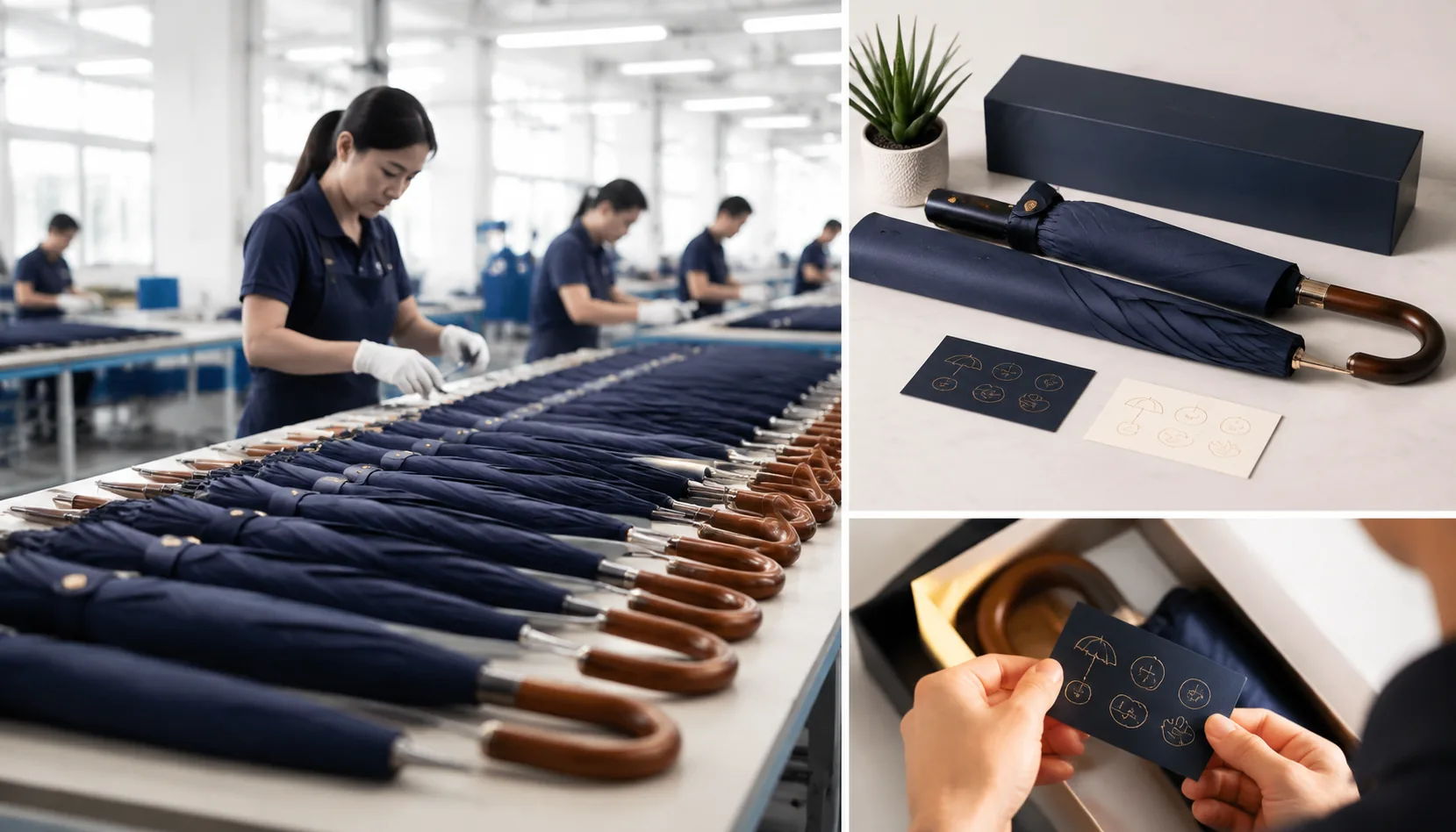
Umbrella Care Cards That Reinforce Premium Brand Value
Plan umbrella care cards and warranty inserts that improve perceived value, reduce misuse, and support retail or gifting...
Read More »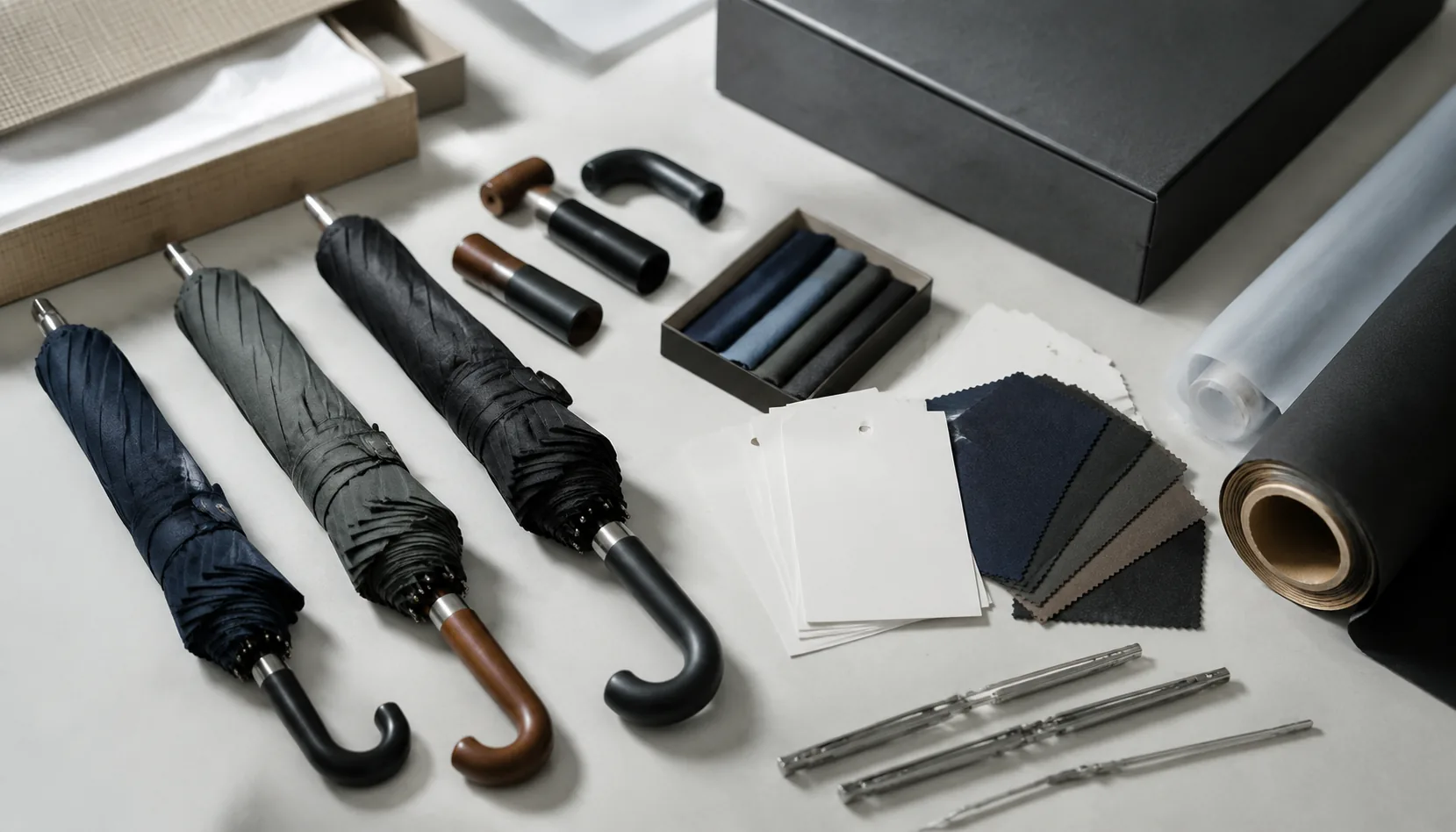
Printed Umbrella Care Cards That Reinforce Brand Value
Use care cards, warranty inserts, and QR codes to protect product quality, reduce returns, and strengthen brand storytel...
Read More »Umbrella Insert Cards for Private-Label Brand Storytelling
Use insert cards to explain fabric, frame, care, warranty, and brand values while improving perceived value in private-l...
Read More »