Umbrella Sourcing for Sports Clubs and Stadium Retail

Sourcing umbrellas for sports clubs and stadium shops is not just a merch decision; it is a balance of weather performance, shelf appeal, and supply reliability. Buyers need products that hold up in wind and rain, fit venue branding, meet retail packaging expectations, and arrive in quantities that match seasonal demand without tying up cash in excess inventory.
How umbrellas sell in sports venues
Umbrellas sell in sports venues because they solve a real problem first and carry a team mark second. A fan caught in rain outside a stadium gate will buy fast if the product is obvious, durable, and priced within impulse range; that is the utility-driven side of stadium retail umbrellas. In fan shops and match-day concessions, the best sellers are usually compact 21" or 23" folding models with auto-open mechanisms, plus 27" or 30" golf-style canopies for supporters who want more coverage and do not mind carrying a larger item. For sports club umbrella sourcing, the main mistake is treating every umbrella as a souvenir. In practice, the products that move are the ones that look like useful weather gear and only then like merchandise.
Logo-led demand works differently. Membership gifts, season-ticket packages, corporate hospitality kits, and club store exclusives are bought because the emblem signals belonging, not because the buyer needed rain protection that day. That is where fan shop umbrella programs perform well: you can justify a higher ticket with UV-coated pongee 190T or 210T canopy, fiberglass ribs, and a cleaner decoration area for screen print or heat-transfer graphics. A custom umbrella supplier should separate these demand types early, because a concession stand needs quick-turn, low-risk stock, while a retail wall display can carry premium vented double-canopy styles and longer lead times. The same crest can support both, but the price point, mechanism, and decoration method should not be the same.
The strongest programs usually mix both behaviors instead of choosing one. For example, a club can stock basic manual or auto-open foldables for rainy match days, then offer higher-margin golf umbrella wholesale options in the store for parents, corporate buyers, and supporters who want a bigger canopy for parking lots, training grounds, or weekend use. ZheBrella’s standard practice is to segment the assortment by use case, not by logo placement alone, because that keeps returns down and sell-through up. If the product is only decorative, it loses the walk-up buyer; if it is only practical, it misses the loyalty buyer. Sports retail works when the umbrella does both jobs without looking flimsy.
Spec package for wind and crowd conditions
For stadium retail umbrellas, start with the frame, not the artwork. Fiberglass ribs are the safer choice when the umbrella will be opened and closed repeatedly in wind, carried through gates, or used in crowded concourses, because fiberglass flexes and springs back instead of staying bent like light steel. Steel still makes sense on low-cost promotional pieces or small-run indoor giveaways, but for sports club umbrella sourcing I would only use it when the product is mostly decorative and wind exposure is minimal. A 16K rib count adds more points of flex than an 8K or 10K frame, so the canopy loads spread out better in gusts and the umbrella feels less twitchy in hand. That matters on terraces and open plazas where crowd movement and crosswind hit the product from odd angles.
A double-canopy windproof design is worth the cost when the umbrella must survive real weather, not just look good on a rack. The vented top lets air escape instead of ballooning the canopy, which reduces blowouts around stadium entrances and outdoor seating areas, especially on 23" and 27" walking umbrellas and larger 30" golf umbrella wholesale programs. For fan shop umbrella programs, I usually spec auto-open rather than manual because quick deployment matters when people are leaving after a match; an auto-open speed under one second is practical, while auto-open-close only makes sense if the SKU is meant for premium resale and daily commuting. If the umbrellas will be used near exposed seating, add UPF 50+ and a 190T or 210T pongee canopy so you get sun protection without making the panel too stiff to sew cleanly.
The size decision should follow the crowd pattern. 21" works for compact retail items, 23" is the best all-around stadium retail umbrellas size for general fans, and 27" or 30" is better when the buyer wants more coverage and a stronger perceived value at the merch table. A custom umbrella supplier should also quote wind performance in plain terms, not just rib count; for outdoor club seating I expect a double-canopy fiberglass build to handle sustained gusts around 30 to 40 mph, with the better constructions surviving higher bursts if the user is not forcing the frame open against the wind. In practice, the right spec package is a balance: fiberglass ribs for resilience, 16K for smoother load distribution, vented double canopy for wind, and UPF 50+ for the long sunny innings where the umbrella sits open much longer than it does in a rain shower.
Retail-ready branding and packaging
For stadium retail umbrellas, logo placement has to be chosen around the open shape, not just the flat artwork file. The cleanest results usually go on one or two opposite panels, with the balance of the print kept away from seams, tips, and the main wear points where hands rub the fabric. In sports club umbrella sourcing, 8K and 10K frames are usually easier to brand cleanly than crowded 16K canopies because the panel geometry is less busy; fewer panels also give larger uninterrupted print areas and better visibility from the stands or concourse. If the umbrella is being sold as a premium fan item, a double-canopy vented build with a centered logo on the outer crown gives a more retail-ready look than forcing graphics onto every panel.
Panel count and fabric choice affect how the product reads on shelf. A 190T pongee canopy is standard and prints well, but 210T pongee has a tighter hand, slightly better drape, and a more substantial appearance under store lighting, which matters when the buyer is comparing fan shop umbrella programs side by side. That difference is obvious once the canopy is packed into a sleeve: 210T tends to hold shape better, looks less flimsy in a tray or peg display, and signals a higher ticket position without changing the frame. For golf umbrella wholesale, the same logic applies, although the larger 23" or 27" format makes fabric weight and panel alignment even more visible to the customer.
Swing tags, sleeves, and barcode-ready cartons are not decoration; they are part of the selling system. A practical custom umbrella supplier will leave a flat sleeve panel for SKU labels, print care and origin text in the right place, and size the hang tag so it does not cover the club crest or sponsor mark. We normally build packaging around retail scan flow: individual polybag or paper sleeve, hang tag with barcode area, then master carton labeling that matches the buyer’s ERP or ticketing code. For stadium retail umbrellas, that prevents delays at receiving and reduces relabeling at the distribution center, which is where a lot of otherwise decent programs get bogged down.
Buying for events, reorders, and fan seasons
For stadium retail umbrellas, the real buying mistake is treating them like a one-off promo instead of a seasonal replenishment item. Clubs and distributors should place the first order early enough to absorb sample approval, artwork correction, and actual production, because a 500-piece “rush” order often turns into a 20-day scramble if you are waiting on proof sign-off. A practical MOQ for custom canopy programs is usually 300 to 500 units per colorway when you want sane pricing, while more complex frames, 16K ribs, or vented double-canopy builds can push the minimum higher. If you are handling sports club umbrella sourcing across multiple teams or venues, lock the panel layout and handle spec first; changing from fiberglass to steel ribs or from manual to auto-open-close after sample approval is where schedules get wrecked.
Lead time planning should follow the calendar, not the weather forecast. For fan shop umbrella programs tied to playoffs, tournaments, and a run of rainy home games, I would work backward at least 45 to 60 days: 7 to 10 days for sampling and approval, 15 to 25 days for fabric cutting, sewing, printing, and assembly, then another 7 to 12 days for packing and export if you are buying FOB or DDP. A custom umbrella supplier can usually stage part of the volume in a finished-goods buffer, but the smarter move for distributors is to split releases into smaller draws so cash is not tied up in all 3,000 units before the first gate open. That is especially useful for golf umbrella wholesale programs, where one club may need black and navy for retail, while another only needs a small run for corporate partners and member sales.
The best inventory plan is to cover opening demand, then replenish in controlled waves instead of betting everything on one forecast. For example, a distributor might land 40% of the season quantity before opening day, hold 30% in the factory or a local warehouse for playoff pushes, and keep 30% as a reorder bucket once weather patterns and attendance data settle. That reduces dead stock if a homestand gets moved, a tournament is rained out, or the team underperforms and foot traffic drops. In practice, ZheBrella treats repeat club programs this way: approved sample, confirmed MOQ, then a second PO only after sell-through hits a trigger point, which is the safest way to protect cash flow while keeping stadium retail umbrellas available when demand actually spikes.
Inspection and landed-cost control
For stadium retail umbrellas, the inspection standard has to be tighter than a generic promo order because the same SKU may go to different venues, stores, and e-commerce channels at once. Our standard practice is AQL 2.5 on critical and major defects: open-and-close function, runner lock, tip cap fit, seam skips, rib alignment, and print registration all get checked before cartons move. I also insist on carton-drop checks, because a clean sample can still arrive broken if the inner packing is loose or the rib points punch through the box after a rough truck transfer.
Color consistency matters more than buyers usually expect in sports club umbrella sourcing. For fan shop umbrella programs, panels from different dye lots should be compared under the same light source, especially for team reds, navy, black, and metallic trims; if the canopy looks off by even one shade, the retail floor notices. Accessory audits are part of the same control point: straps, sleeve stitching, hangtags, barcode labels, and any EVA or plastic handle components need to match the approved BOM, or you end up with a sellable umbrella that fails brand compliance at the venue.
For landed-cost certainty, FOB and DDP solve different problems. FOB works when a club or distributor already has freight, customs, and inland delivery covered, while DDP is better when the buyer wants one delivered price across multiple venues and does not want surprises from port fees, brokerage, or last-mile trucking. In sports club umbrella sourcing, I usually recommend DDP for smaller chains or seasonal drops where finance needs a fixed landed number, and FOB for larger golf umbrella wholesale programs with an in-house logistics team and consolidated import volume. A custom umbrella supplier should quote both so you can compare true landed cost, not just factory price.
Frequently Asked Questions
Why do stadium buyers prefer golf umbrellas over compact umbrellas?
Golf umbrellas offer larger coverage, stronger frames, and better brand visibility in crowded outdoor settings. They also suit retail pricing better when fans want a premium souvenir or practical rain gear.
What should a club store confirm before placing a bulk order?
Confirm rib count, canopy fabric, decoration area, carton pack, and whether the supplier can meet the event calendar. It is also important to lock in lead time and reserve buffer stock for sudden weather spikes.
What umbrella sizes usually sell best in stadium and club fan shops?
The most common mix is 23-24 inch straight umbrellas for general retail and 30 inch golf umbrellas for premium fan merchandise. Many buyers start with a 70/30 split, then adjust by climate, matchday traffic, and price point.
How should clubs plan MOQ across multiple team designs or colorways?
A practical approach is to use one umbrella frame and packaging format across all SKUs, then split canopy artwork by design. For OEM programs, factories often support MOQ from around 500-1,000 pieces per style, with higher efficiency when several colorways share the same components.
What quality checks are most important for umbrellas sold at stadium kiosks and fan stores?
Focus on opening and closing cycle tests, rib strength, shaft stability, color consistency on licensed logos, and carton drop resistance for retail packs. For windy venues, buyers often require wind-resistance testing plus a pre-shipment AQL inspection before goods leave the factory.
Looking to Launch Your Custom Umbrella Line?
ZheBrella is a Zhejiang-based OEM/ODM umbrella manufacturer with 17 years of export experience. Free design, low MOQ from 100 pieces, windproof construction, full-color print.
Get Free Quote Now »People Also Search For
Related Articles

Umbrellas for Stadium Shops and Fan Retail Programs
Plan fan-retail umbrellas with the right frame, canopy, and packaging for stadium stores, team shops, and licensed merch...
Read More »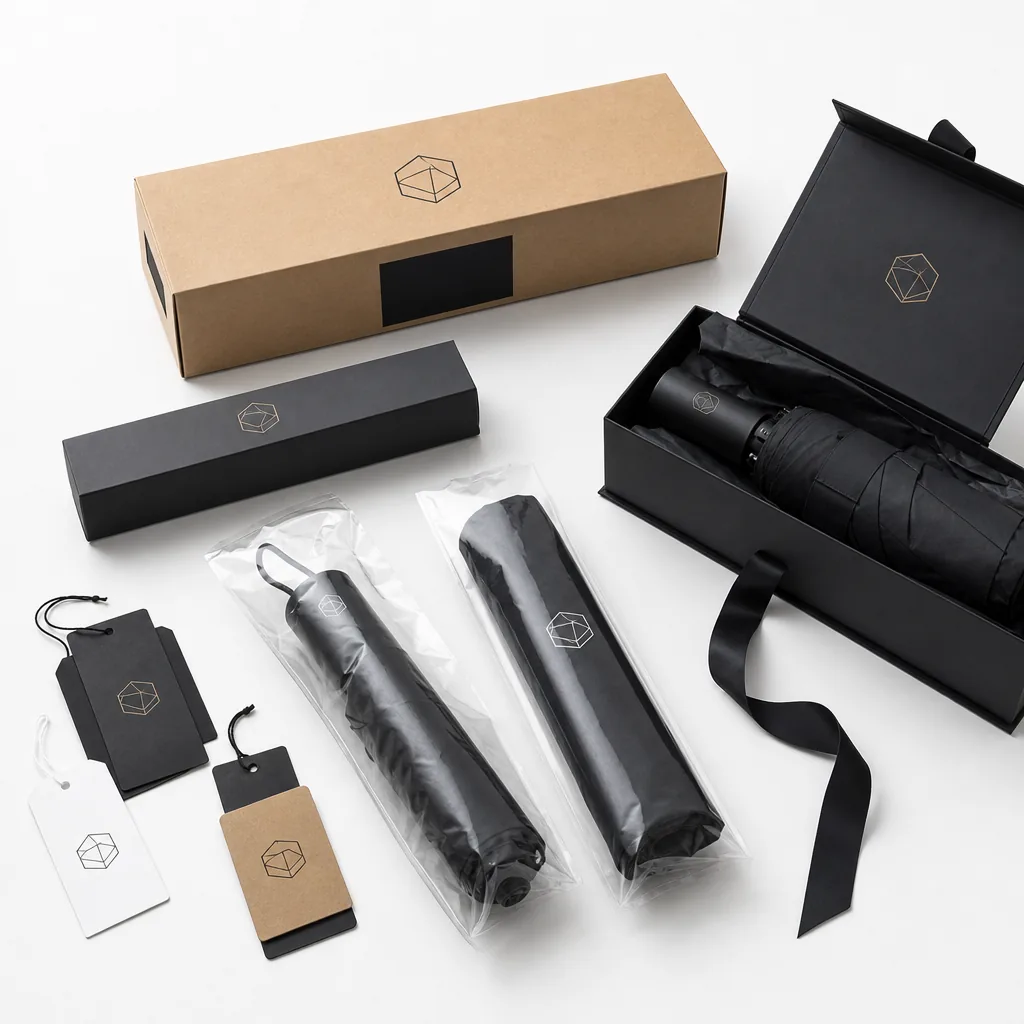
Umbrella Sourcing for Sports Venues and Fan Shops
Learn how stadium operators and fan shops source umbrellas for licensed retail, sponsor activations, and weather protect...
Read More »Branded Umbrellas for Stadium Retail and Fan Merchandise
Build profitable fan-gear umbrella assortments with durable frames, league-ready branding, and retail packaging that sup...
Read More »