Unboxing Experience Design for Branded Umbrella Programs
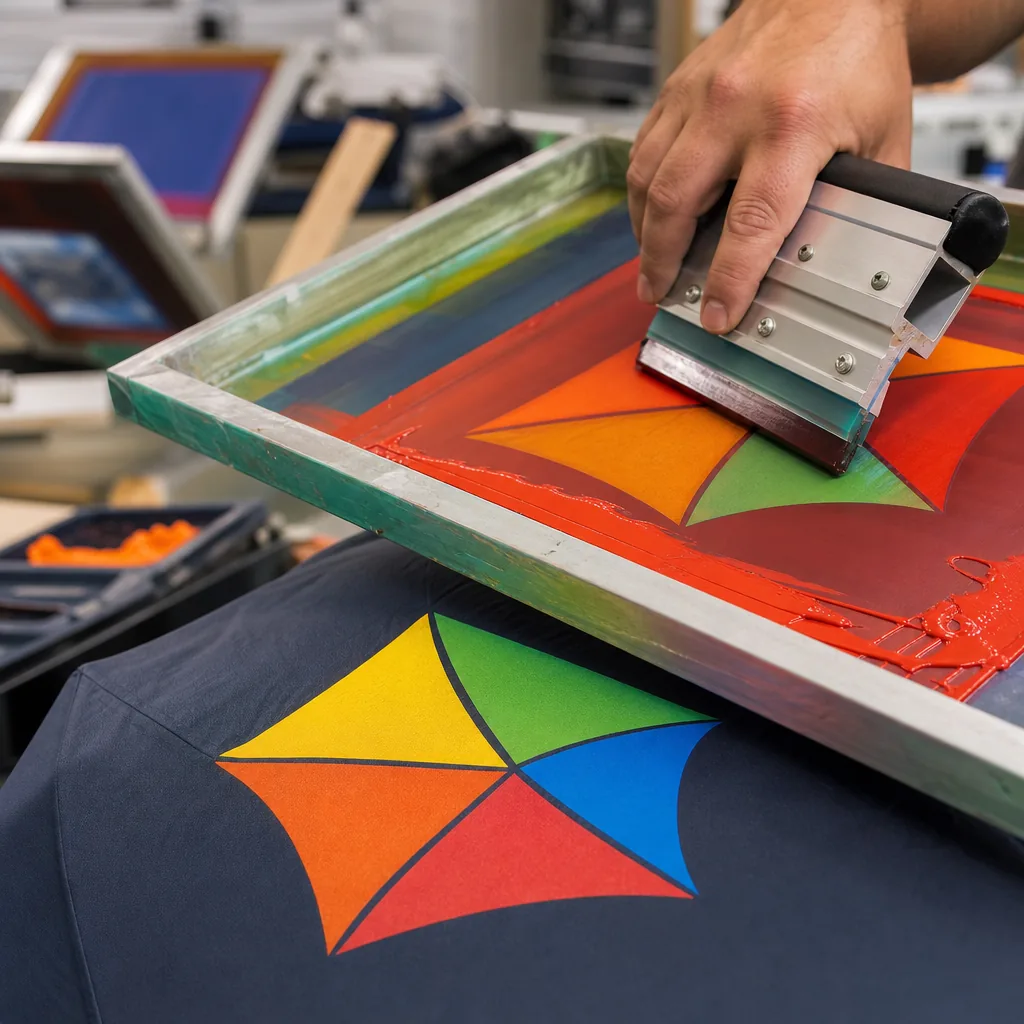
When a branded umbrella arrives with scuffed handles, wrinkled inserts, or retail packaging that collapses in transit, the unboxing stops supporting the brand and starts creating claims. On our Songxia production floor, the difference usually comes down to early choices on carton structure, insert materials, packing sequence, and QC hold points that keep a branded umbrella unboxing consistent across retail, gifting, and repeat runs.
Why Unboxing Matters in B2B Umbrella Branding
The first 10 seconds after a customer opens the carton decide whether the umbrella feels like a $6 giveaway or a $24 branded accessory. In B2B programs, branded umbrella unboxing is not decoration; it directly changes perceived value, complaint rates, and re-order behavior. A clean retail presentation design usually starts with basics buyers ignore at quoting stage: the umbrella should sit straight in the sleeve, the strap should be wrapped consistently, and the handle must not scuff the canopy during transit. For private label umbrellas sold in stores, that means matching the packaging format to the product tier—OPP bag for entry promo pieces, printed sleeve or kraft box for mid-tier retail, and rigid box only when the margin supports it. If the first touch feels messy, buyers end up discounting inventory, and that hits unit economics faster than any small savings on fabric or frame.
Promotional distributors care most when the umbrella is part of a gift-with-purchase, employee welcome pack, or client mailer, because presentation affects the perceived value of the whole kit, not just the umbrella itself. Retail brands focus harder on shelf readiness, barcode placement, color consistency, and whether umbrella packaging inserts can explain features like auto-open-close, UPF 50+ coating, or 10K fiberglass windproof frames without forcing a salesperson to do the work. Event organizers and hospitality buyers usually want the pack to survive fast handling: hundreds of units opened, sorted, and re-packed in a few hours with minimal mix-ups. Our standard practice is to treat packaging as a process-control issue as much as a branding issue—wrong insert collation, loose hangtags, or crushed gift boxes create avoidable defects even when the umbrella itself passes AQL 2.5.
Repeat purchase rates improve when the opening experience reduces friction and reinforces why the buyer paid for a better spec. A customer who opens a compact 21-inch auto-open-close umbrella and immediately sees a printed care card, a neat strap wrap, and clear brand story is less likely to return it for "looks cheap" reasons. The same logic applies to promotional umbrella branding: if the recipient thinks the item was thoughtfully packed, the sponsor gets more perceived mileage from the same landed cost. Branded umbrella unboxing matters most when margins are tight, because packaging has to earn its keep—through lower damage claims, better gift acceptance, stronger retail conversion, or higher reorder confidence. If a custom insert adds $0.18 but helps support a $2 to $4 higher selling price, then it is doing real work, not just making the product prettier.
Packaging Components That Add Brand Value Without Overbuilding
Start with the parts the customer actually touches first, because that is where perceived value is made or lost. A belly band, a sticker seal, and one clean insert card usually do more for branded umbrella unboxing than a complicated rigid setup that drives cost and carton volume up. For compact 21" or 23" auto-open umbrellas, especially 3-fold or auto-open-close models packed into a sleeve, I usually recommend a printed paper belly band at 157-200 gsm, a frosted or clear protective polybag, and a small insert card around 250-300 gsm with care instructions, opening warnings, and brand story. That format protects the canopy fabric from dust and scuffing during transit, keeps assembly line packing fast, and still gives room for promotional umbrella branding without forcing a gift-box cost structure onto an everyday item.
Insert cards and tissue only add value when they solve a presentation problem. Tissue makes sense when you have light-colored 190T or 210T pongee that can pick up marks from handles or strap buttons, or when the customer is opening private label umbrellas in a retail setting where the first visual layer matters. Umbrella packaging inserts are most useful when they explain premium construction details the buyer cannot see immediately, like fiberglass ribs versus steel ribs, double-canopy vented windproof design, UPF 50+ coating, or a wind-resistance claim such as 50+ mph from internal testing. Our standard practice is to avoid molded trays unless the handle shape, tip, or accessory set actually shifts inside the box, because custom pulp or PET trays add tooling cost, pack-out time, and more cubic volume on FOB and DDP shipments.
Premium stick umbrellas justify more structure, but only when the product itself carries the weight. A 27" or 30" stick umbrella with a wood crook handle, 8K or 16K fiberglass frame, and heavier shaft deserves better retail presentation design than a basic compact because the silhouette can get damaged or visually flattened in a loose carton. In that case, a longer presentation box, a light tissue wrap, a branded seal, and sometimes a simple end-support tray are enough to keep the canopy, ferrule, and handle aligned without overbuilding. If the umbrella already has a strong visual signature, such as contrast piping, a matte black shaft, or a double-canopy frame, extra packaging layers often become waste rather than value. The best packaging programs balance protection, assembly speed, MOQ realities, and AQL 2.5 inspection standards instead of trying to make every umbrella feel like a luxury watch.
How Product Specs Change the Packaging Plan
The packaging plan starts with the frame geometry, not the logo artwork. An 8K straight umbrella with a 23-inch frame usually packs cleanly in a slimmer inner box because the rib stack is flatter and the runner sits lower; a 16K frame creates a thicker crown and a wider folded profile, so you need more headspace and better end protection to avoid pressure marks on the canopy. On export cartons, that difference is not theoretical. A standard 24-piece master for 23-inch straight umbrellas may need an extra 20 to 35 mm of carton width when you move from 8K to 16K, otherwise the top units get squeezed and arrive with bent tips or rubbed fabric. In branded umbrella unboxing programs, that extra bulk also changes the retail presentation design because the product no longer slides out smoothly from a tight sleeve-style pack.
Material choice changes damage behavior more than many buyers expect. Steel ribs tolerate compression fairly well, but once they take a set, the umbrella may open slightly asymmetrical; fiberglass ribs are better for windproof performance and can survive 50+ mph designs, yet they need packaging that controls rebound and point loading at the rib ends. Canopy fabric matters too. 190T pongee is lighter and folds smaller, which helps carton efficiency for private label umbrellas, but it shows tip scuffing and strap creases faster if the fold is too tight. 210T pongee gives a fuller handfeel and better gift perception, though it increases folded bulk and benefits from tissue wrap or umbrella packaging inserts that keep the strap, hangtag, and handle from imprinting the canopy during transit. At ZheBrella, our standard practice is to check these risks during pack-drop review, not after final AQL 2.5 inspection.
Format drives the biggest split in packout strategy. Straight-handle umbrellas, especially with J handles or oversized EVA grips, waste carton volume at the handle end and often need partitioned inners or alternating head-to-tail loading to keep the master carton square. Folding umbrellas are more compact, but auto-open-close mechanisms add concentrated weight in the handle, so the pack has to stop that handle from punching through the pouch or denting adjacent units during DDP parcel handling. If the program is positioned for promotional umbrella branding only, a polybag plus matched sleeve is usually enough. Once the product carries UPF 50+ coating, premium 210T canopy, or gift-focused positioning for branded umbrella unboxing, upgraded presentation becomes easier to justify: rigid drawer boxes, printed belly bands, and custom inserts raise unit cost, but they also reduce abrasion, improve first-open perception, and protect premium finishes that buyers are actually paying for.
QC, Compliance, and Approval Steps Before Mass Production
Most avoidable packaging mistakes are locked in before the first bulk carton is sealed, so the approval gate has to start with artwork proofs that show exact print position, panel orientation, Pantone references, barcode size, and every label location. For branded umbrella unboxing, I always want buyers to sign off on a full proof set that includes the canopy print layout, hangtag, care label, outer mailer, inner color box, and any umbrella packaging inserts such as thank-you cards or QR cards. On private label umbrellas, one small miss—like a 6 mm shift in logo placement on a 21 inch auto-open umbrella sleeve or a barcode printed across a fold line—turns into a rework problem fast. Retail presentation design also needs a physical assembly map, because packers will otherwise interpret tissue wrap direction, handle tie position, and insert order differently across shifts.
A pre-production sample is where you catch the problems that PDFs hide. The sample should be built exactly as mass production will run: same 190T or 210T pongee canopy, same manual or auto-open-close frame, same EVA, PVC, or paper-based box structure, same insert count, and same carton pack-out. For promotional umbrella branding, buyers should confirm print placement from multiple viewing angles, especially on 8K and 10K canopies where panel seams can pull logos off-center once the umbrella is opened. Barcode and label checks are not just about spelling; they should be scanned after application onto the actual curved box or polybag surface, because gloss lamination and corner placement can reduce read accuracy. If the program ships DDP into retail or Amazon-style channels, add drop-test review early—typically corner, edge, and flat drops on the packaged unit and master carton—so the gift box does not crush and the ferrule or handle does not punch through during transit.
Once bulk production starts, in-line inspection and final random inspection should both work to AQL 2.5, with packaging checkpoints treated as seriously as canopy sewing or rib assembly. In-line, the factory should verify label match, carton assortment, insert sequence, logo orientation, and count accuracy every run lot, not only at the end when 5,000 sets are already packed. Final inspection should sample both the umbrella and the assembled pack: open-close function, print registration, stitching, accessory completeness, barcode readability, ship mark correctness, and packaging assembly consistency from unit box to export carton. At ZheBrella, our standard practice is to send an approval pack before mass production that combines the sealed sales unit, labels, inserts, carton markings, and signed reference sample; that pack becomes the line standard. It sounds basic, but one approved pack on the table removes argument, reduces operator guesswork, and prevents the kind of mixed packing errors that are expensive to discover after FOB shipment.
MOQ, Lead Times, and Shipping Terms for Packaging Decisions
Custom packaging changes the commercial threshold faster than most buyers expect. A standard private label umbrellas program might run at 500 to 1,000 pieces for a stocked sleeve or simple hangtag, but once you move into rigid gift boxes, molded trays, magnetic closures, or custom die-cut umbrella packaging inserts, the real MOQ is usually set by the packaging supplier, not the umbrella line. In Songxia, a normal 21 inch or 23 inch straight umbrella in 190T pongee with screen print can start production quickly because frame, canopy, and handle parts are standard. The delay comes when the carton needs new knife molds, offset print plates, or EVA/foam fitments. A custom rigid box often needs 1,000 to 3,000 sets minimum, plus 5 to 10 days for sampling and 12 to 18 days for box production after artwork approval, even before final pack-out starts.
Lead time dependency is where branded umbrella unboxing projects get squeezed. A normal umbrella body may take 25 to 35 days from deposit for manual or auto-open styles, and 35 to 45 days for auto-open-close frames, double-canopy vented windproof models, or mixed-material builds like fiberglass ribs with aluminum shaft components. If the packaging is simple, the factory can finish umbrellas first and marry in printed cards, belly bands, or fold-flat inserts at final inspection. If the retail presentation design uses rigid boxes sized tightly around a 27 inch or 30 inch golf umbrella, production has to synchronize because box dimensions depend on the folded length, ferrule shape, and handle profile. Our standard practice is to freeze folded-size specs before packaging sampling; otherwise, a 5 mm handle cap change can turn a full box run into scrap and push shipment by another week.
Shipping terms matter more for packaging than for the umbrella itself because air space is expensive. Under FOB, buyers can sometimes absorb bulky gift-style packs if they control consolidation at origin and have low inland warehouse handling costs. Under DDP, oversized presentation boxes usually get punished twice: higher volumetric freight and more destination-side pick, pallet, and storage charges. That is why simpler branded umbrella unboxing formats often win commercially: flat-packed sleeves, printed corrugated mailers, or separate umbrella packaging inserts packed down in master cartons can cut cube materially versus pre-assembled rigid packs. For promotional umbrella branding programs shipping in volume, reducing carton dimensions by even 8 to 12 percent can improve container loading enough to offset better print or coating upgrades elsewhere in the budget.
Frequently Asked Questions
Does premium unboxing always require a custom rigid box?
No. Many B2B programs get better margins with a foldable carton, branded insert card, and seal label instead of a rigid box. That approach usually lowers MOQ pressure, reduces freight volume, and still improves presentation.
At what stage should buyers approve umbrella packaging together with the product sample?
Ideally at the pre-production sample stage, not after umbrella production starts. Approving the umbrella, printed packaging, barcode details, and packout method together helps avoid rework, especially on private-label and DDP shipments.
What MOQ is typical for a fully custom umbrella box with inserts?
For offset-printed corrugated or rigid boxes, buyers usually see MOQs around 1,000 to 3,000 sets per size. Simpler add-ons like insert cards, belly bands, or thank-you leaflets can often start at 500 to 1,000 pieces if they fit an existing umbrella pack size.
How much lead time should I add for packaging components beyond the umbrella itself?
Artwork approval and dielines usually take 2 to 4 business days. Printed sleeves or hang tags often add 7 to 10 days, while molded pulp, EVA, or foam inserts more commonly add 12 to 18 days before mass packing can start.
Which QC checkpoints matter most for a branded umbrella unboxing program?
The most common buyer checkpoints are barcode and copy verification, color match against a Pantone reference, insert placement, and drop-test performance for the outer carton. For retail packs, many importers also require an AQL inspection on scuffing, crushed corners, and label position before container loading.
Looking to Launch Your Custom Umbrella Line?
ZheBrella is a Zhejiang-based OEM/ODM umbrella manufacturer with 17 years of export experience. Free design, low MOQ from 100 pieces, windproof construction, full-color print.
Get Free Quote Now »People Also Search For
Related Articles
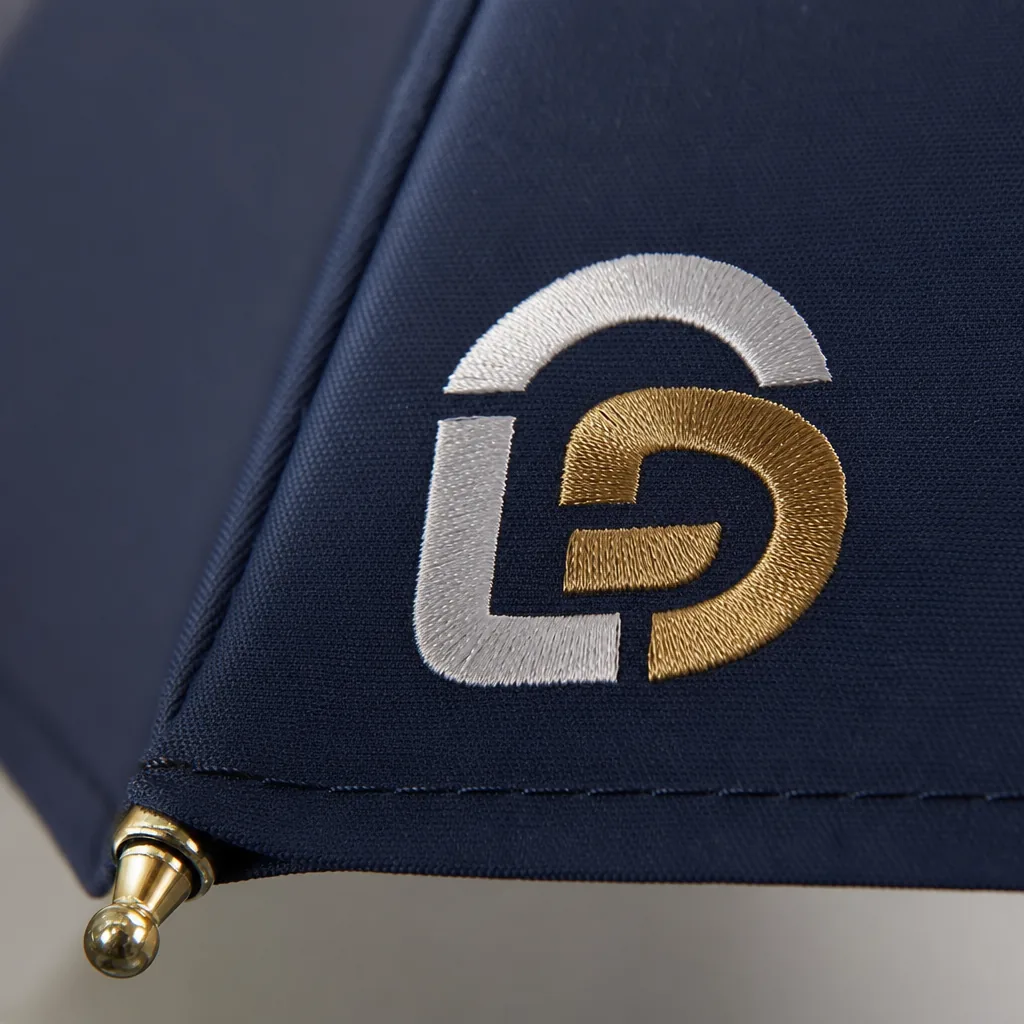
Umbrella Insert Cards for Private-Label Brand Storytelling
Use insert cards to explain fabric, frame, care, warranty, and brand values while improving perceived value in private-l...
Read More »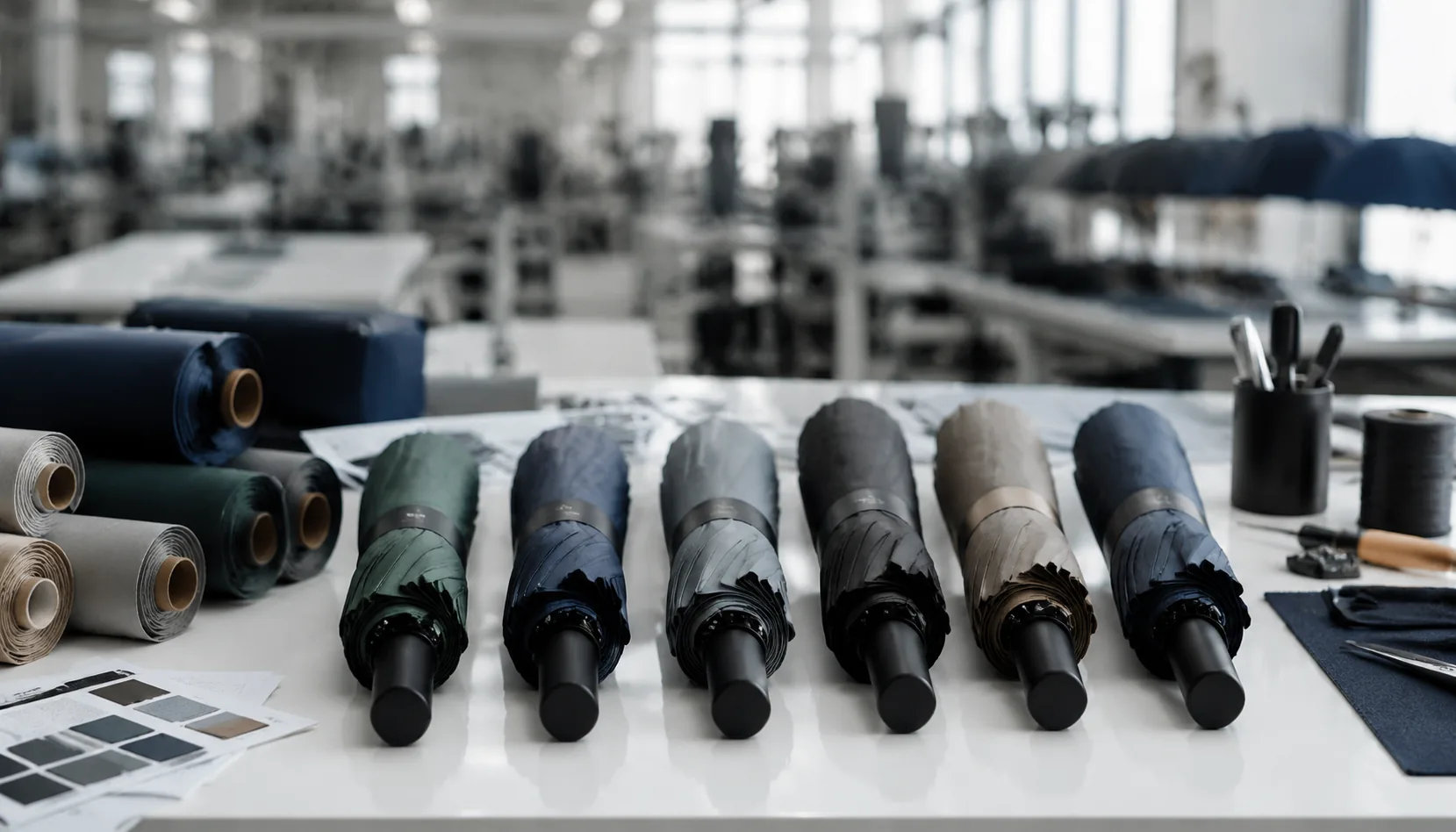
Branded Umbrella Belly Bands for Retail Gift Presentation
Plan branded belly bands with logo, SKU, and gift messaging while keeping canopy quality visible, with material, sizing,...
Read More »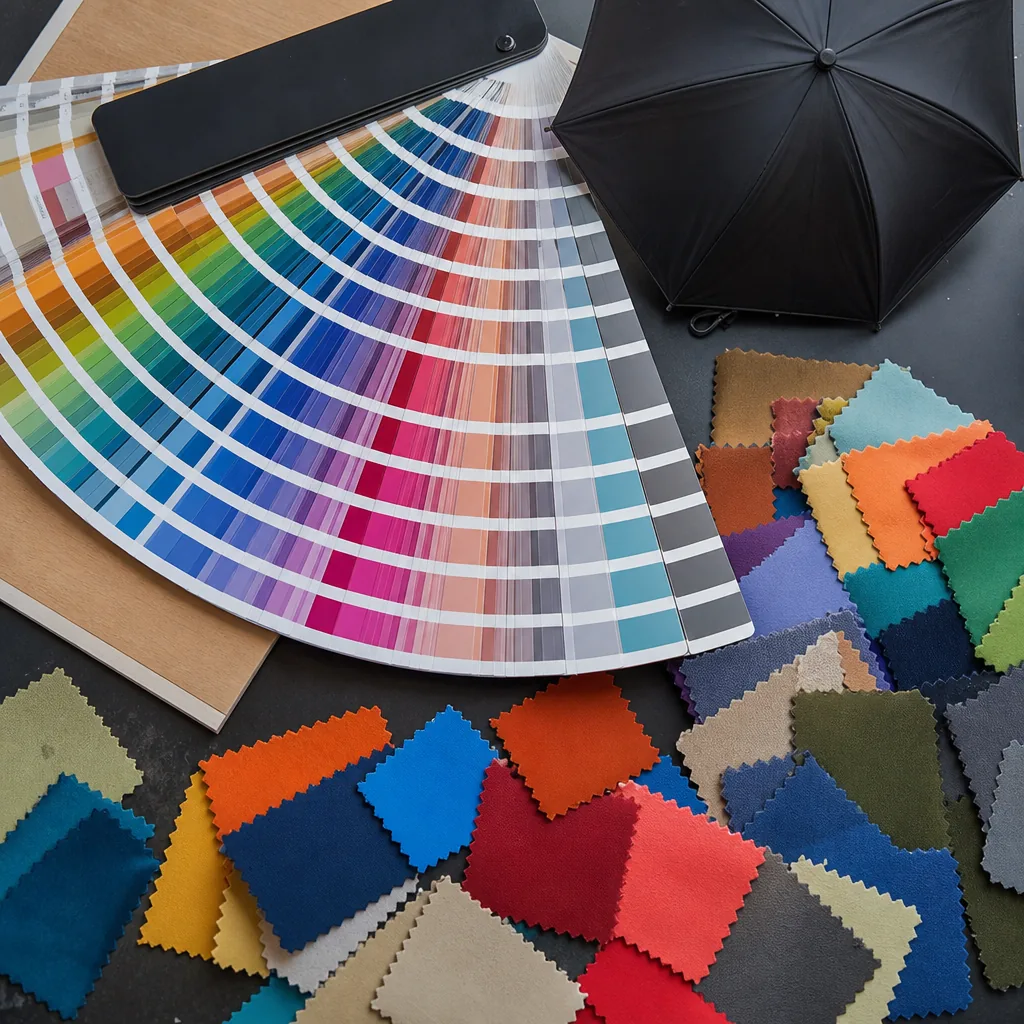
Premium Umbrella Inner Cartons for Private-Label Branding
Design branded inner cartons that protect umbrellas, improve retail handling, and keep private-label programs consistent...
Read More »