UV Umbrella Branding for Premium Outdoor Programs
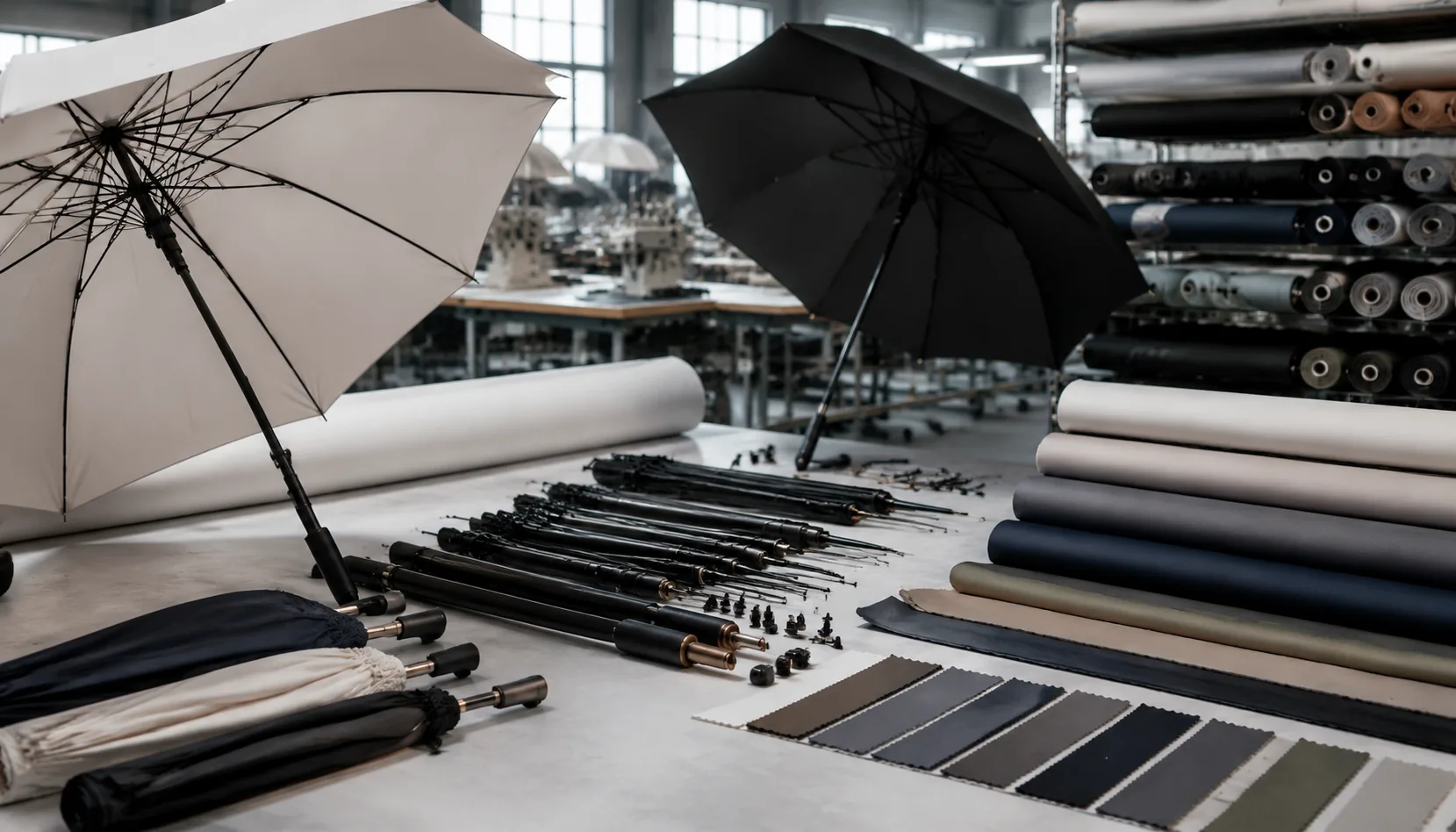
Premium outdoor programs do not fail on the logo concept; they fail when the print cracks, the color drifts, or the umbrella shape does not hold up after repeated use. From the factory floor, we see that UV umbrella branding works best when artwork, fabric, coating, and print method are chosen together, so the buyer gets consistent UPF 50+ performance, clean presentation, and repeatable production on reorder.
What makes UV umbrella branding different
UV umbrella branding is not the same job as decorating a cheap giveaway umbrella, because the canopy has to do two things at once: block UV and carry a readable logo in direct sun. On a real UPF 50+ canopy printing program, the fabric opacity, weave density, and coating all change how ink sits and how much the mark disappears under backlight. If the canopy is too translucent, a light logo washes out; if the print is too thin, the sun turns it into a ghost image. For branded sun umbrellas used at beaches, golf courses, and sidewalk cafes, I push clients to think about contrast first, not just artwork.
Black-out undercoats are the cleanest fix when the design needs strong legibility, especially on promotional UV umbrellas with light-colored panels or photographic logos. A black or dark blocking layer behind the print keeps whites white and reds from turning pink under sun exposure, but it also makes the umbrella feel heavier visually, so it suits premium outdoor programs better than retail fashion lines. Brighter panel colors work when the logo is simple and the brand can tolerate some color shift; white, safety yellow, and bright blue give better daylight visibility but demand tighter color control because the canopy itself becomes part of the message.
Tone-on-tone branding works when the goal is restrained, upscale outdoor retail umbrellas rather than loud event merchandise. A gloss-on-matte logo, a darker version of the panel color, or a subtle heat-transfer mark can look better than a high-contrast print when the umbrella is viewed close up, but that approach fails fast if the customer expects sidewalk visibility from 20 feet away. The practical rule is simple: use higher contrast for distance reading, use tone-on-tone for premium feel, and reserve black-out construction for logos that must survive harsh sun without looking faded after a few weeks of outdoor use.
Best print methods for sun protection canopies
For UV umbrella branding on 190T and 210T pongee, screen print is still the most reliable choice when the artwork is simple, the order is large, and the canopy is flat enough to hold registration. On coated fabrics, especially PU or UV-treated pongee, screen ink bites harder than people expect, but the real limit is detail: fine gradients, tiny text, and tight edge work will soften at the fabric weave unless you use a very fine mesh and accept slower throughput. For branded sun umbrellas that need solid logos, one to three spot colors, and repeatability across thousands of pieces, screen print usually wins on cost and durability.
Heat transfer is better when the design needs sharper edges, more colors, or smaller production runs. On promotional UV umbrellas made from 210T pongee or similar dense weaves, a good transfer can hold clean type and logos better than direct screen print, especially near seams and panel curves, but it still depends on the adhesive layer bonding cleanly to the coating. Wash and abrasion resistance are usually acceptable for event use and light retail handling, but I would not choose it for rough outdoor retail umbrellas that will be folded wet, stuffed into bags, and opened daily for months. Once the order drops below a few hundred pieces, transfer often becomes the practical choice because setup is simpler than building multiple screens.
Digital print is the right answer when the artwork is complex, tonal, or image-driven, but only if the fabric coating and MOQ justify it. On UPF 50+ canopy printing, digital can deliver the best edge sharpness and gradient control, especially for photographic branding or full-panel graphics, yet the coating chemistry matters more than the machine: some high-density pongee surfaces take ink well, while others need pretreatment and still show reduced wash resistance compared with screen print. In practice, digital is usually favored for lower-to-mid MOQs or highly customized branded sun umbrellas, while screen print takes over again when volume rises and the buyer wants the lowest unit cost with stable color matching across production lots.
Frame and panel specs that protect artwork
For UV umbrella branding, the frame spec matters as much as the ink system because panel movement is what destroys clean registration. An 8K frame usually gives a simpler panel layout with fewer seams and less chance of the artwork landing across too many stress points, while a 16K build divides the canopy into narrower panels that hold shape better in wind and keep large logos from distorting as much when the umbrella opens. On production runs, I care less about the rib count as a marketing number and more about whether the panels stay flat during heat-transfer or screen setup, because a loose panel will make even good artwork look crooked once the umbrella is outside.
Fiberglass ribs are the practical choice for branded sun umbrellas and promotional UV umbrellas because they flex instead of snapping, and that flexibility protects both the frame and the print layer. When an umbrella is carried, opened fast, or caught in a gust, steel ribs tend to transfer more shock into the canopy edge, which is where cracking, ink split, and seam puckering usually start. With fiberglass, the frame bends back under load, so the canopy recovers instead of permanently creasing; that is why outdoor retail umbrellas built with fiberglass usually keep their artwork looking cleaner after repeated use.
A double-canopy windproof construction helps even more because the vented top releases pressure before it tries to balloon the printed surface. On UPF 50+ canopy printing, that matters: a vented two-layer top reduces flutter, keeps the panel tension more even, and gives the print better odds of surviving real outdoor use instead of just looking good on a sample photo. For UV umbrella branding, I would rather specify a stable vented canopy with flexible fiberglass than chase a heavier frame, because the lighter build usually preserves artwork longer and fails less dramatically in the field.
Brand color control for outdoor retail programs
Brand color control starts with a realistic tolerance, not a designer’s fantasy. For `UV umbrella branding`, I tell buyers to treat Pantone as the reference point, then accept a normal production swing of about `ΔE 2.0–3.0` on canopy fabric, higher if the base cloth is dyed polyester or `190T/210T pongee` with a UV coating. The safest way to keep `branded sun umbrellas` looking consistent is to lock the canopy body first, then match the tape, handle accent, ferrule cap, and logo ink against that same standard under daylight or D65 light, not under a warm office lamp. If you are mixing `UPF 50+ canopy printing` with colored panels, the coating and the print layer both affect appearance; dark inks can read slightly heavier on coated cloth, and light tones can wash out if the substrate is too bright or too glossy.
For `outdoor retail umbrellas` and event-grade programs, keep the color system simple: one Pantone for the main canopy, one secondary Pantone for trim, and one approved logo ink set. That is usually enough for clean production without creating needless factory rework. Our standard practice is to show the buyer a lab dip or fabric strike-off for the canopy shade, then a sewn sample that includes tape, handle molding, and printed logo in the same unit so the mismatch shows up early. If the program uses promotional UV umbrellas across multiple sizes, remember that 21-inch and 27-inch frames can read differently because the panel curvature changes how the color catches light, so approval should be based on the actual size being ordered, not a generic swatch.
The practical approval sequence is sample, pre-production, then first-carton check, and each step should be signed off in writing. The sample should confirm Pantone match, logo placement, ink opacity, and whether the UV finish changes the perceived shade after curing; the pre-production piece should use the final fabric lot, final handle, and final rib color so you are not approving a composite that can never be repeated. For larger branded sun umbrellas orders, I also recommend photographing the approved sample outdoors next to the Pantone callout and retaining one sealed master sample on both sides, because shade disputes usually come from memory, not measurement. If you want repeatable UV umbrella branding, that checkpoint discipline matters more than trying to chase a perfect color that the cloth and coating will never hold exactly.
Ordering rules for commercial buyers
For seasonal campaigns, UV umbrella branding needs tighter purchasing discipline than generic promo goods. In practice, MOQ usually starts at 300 to 500 pieces per design for one-color print on standard 23" or 27" frames, and climbs if you want custom rib colors, molded handles, or a full-panel layout. Sample lead time is typically 5 to 7 days for blank or existing-frame samples and 7 to 10 days for printed preproduction samples, because color matching on UPF 50+ canopy printing is the part that eats time, not the umbrella assembly itself.
Mass production is usually 25 to 35 days after sample approval and deposit for branded sun umbrellas, assuming the canopy fabric, frame parts, and print files are all locked. If the order uses new artwork, special Pantone targets, or double-canopy construction, add a few more days rather than guessing and missing the launch date. For FOB pricing, buyers control freight and import clearance, which is the right setup when they already have a forwarder; DDP is cleaner for event teams and retail buyers who want landed cost certainty, but it usually includes a margin for brokerage, duties, and local delivery.
AQL 2.5 inspection is the right baseline for outdoor retail umbrellas and promotional UV umbrellas because the failure mode is usually visible: off-center logos, washed-out ink, or inconsistent panel registration. We inspect print placement against the approved artwork, then check shade match across the run so one carton does not arrive darker than the next. For UV umbrella branding on larger seasonal orders, that discipline matters more than people think; a cheap print that drifts 8 to 10 mm off center looks fine in a factory photo and wrong on a store rack.
Frequently Asked Questions
What canopy fabric works best for UV-branded umbrellas?
High-density pongee such as 190T or 210T is common when buyers want a smoother print surface and better color consistency. For strong UV programs, the fabric and coating must be specified together so the printed logo still reads clearly under sun exposure.
Does a double-canopy umbrella print differently from a single canopy?
Yes. Double-canopy windproof designs usually have more movement and can hide some inner graphics if the layers are not planned separately. Keep the primary logo on the outer canopy and confirm panel alignment during sampling.
What print method holds up best on UPF 50+ umbrella canopies?
For repeat outdoor use, screen printing and heat-transfer printing are usually the most durable options. If the logo is large or uses multiple colors, heat transfer can give cleaner detail, while screen printing is often better for simple logos and higher-volume orders.
What canopy fabric is easiest to brand for premium outdoor programs?
Polyester pongee and polyester with a UV coating are common because they balance print clarity, color consistency, and weather resistance. For premium programs, buyers often specify 190T to 210T fabric, plus UPF 50+ treatment and colorfastness requirements.
What buyer specs should be locked in before repeat orders?
The key specs are canopy size, panel count, fabric type, print placement, Pantone color references, frame material, and packaging. Many distributors also confirm sample approval, acceptable color tolerance, and target MOQ so repeat production stays consistent across batches.
Looking to Launch Your Custom Umbrella Line?
ZheBrella is a Zhejiang-based OEM/ODM umbrella manufacturer with 17 years of export experience. Free design, low MOQ from 100 pieces, windproof construction, full-color print.
Get Free Quote Now »People Also Search For
Related Articles
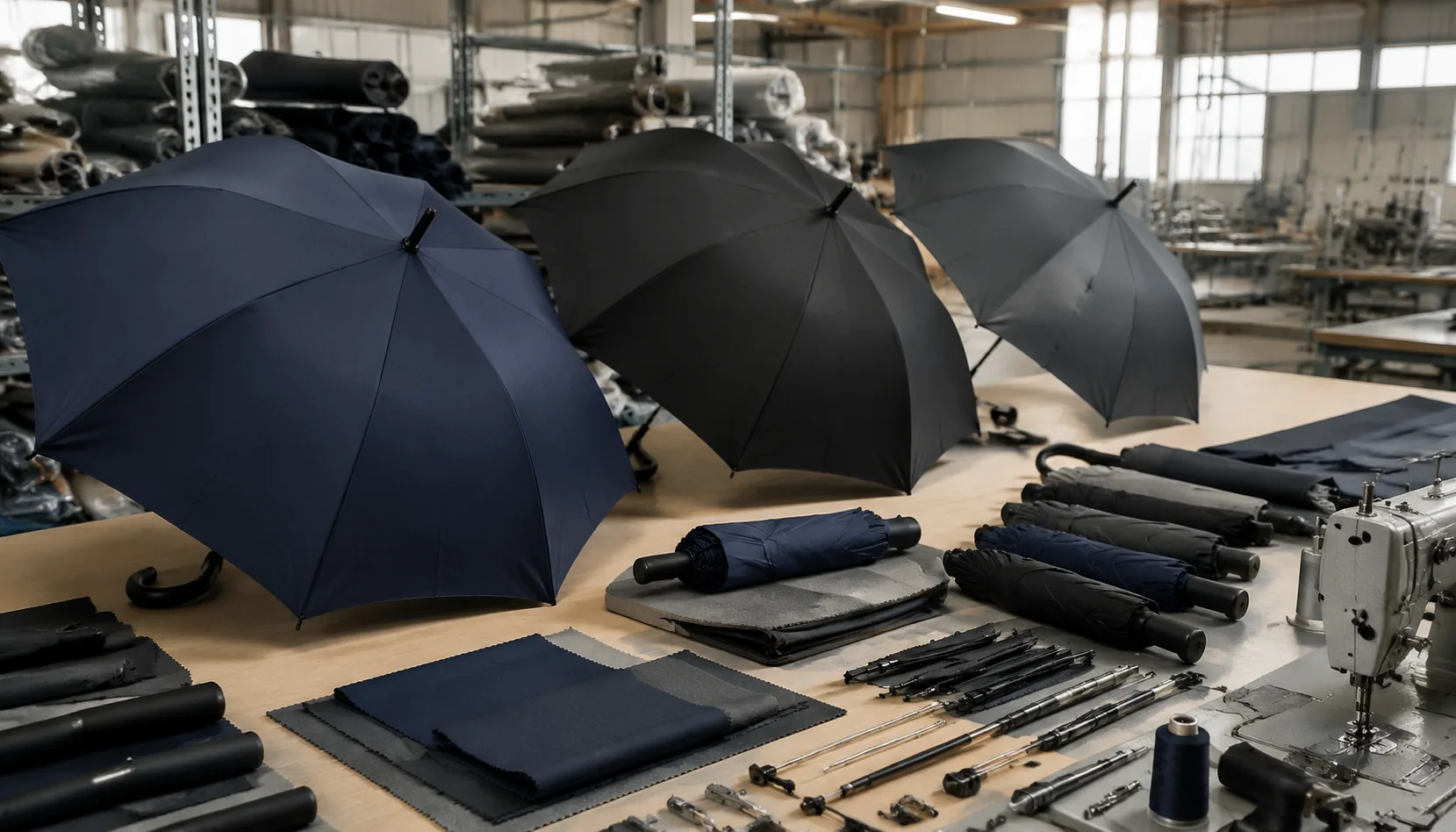
Tone-on-Tone Umbrella Branding for Premium Corporate Programs
Use tone-on-tone umbrella branding to create subtle premium gifts with controlled fabric sheen, logo contrast, frame spe...
Read More »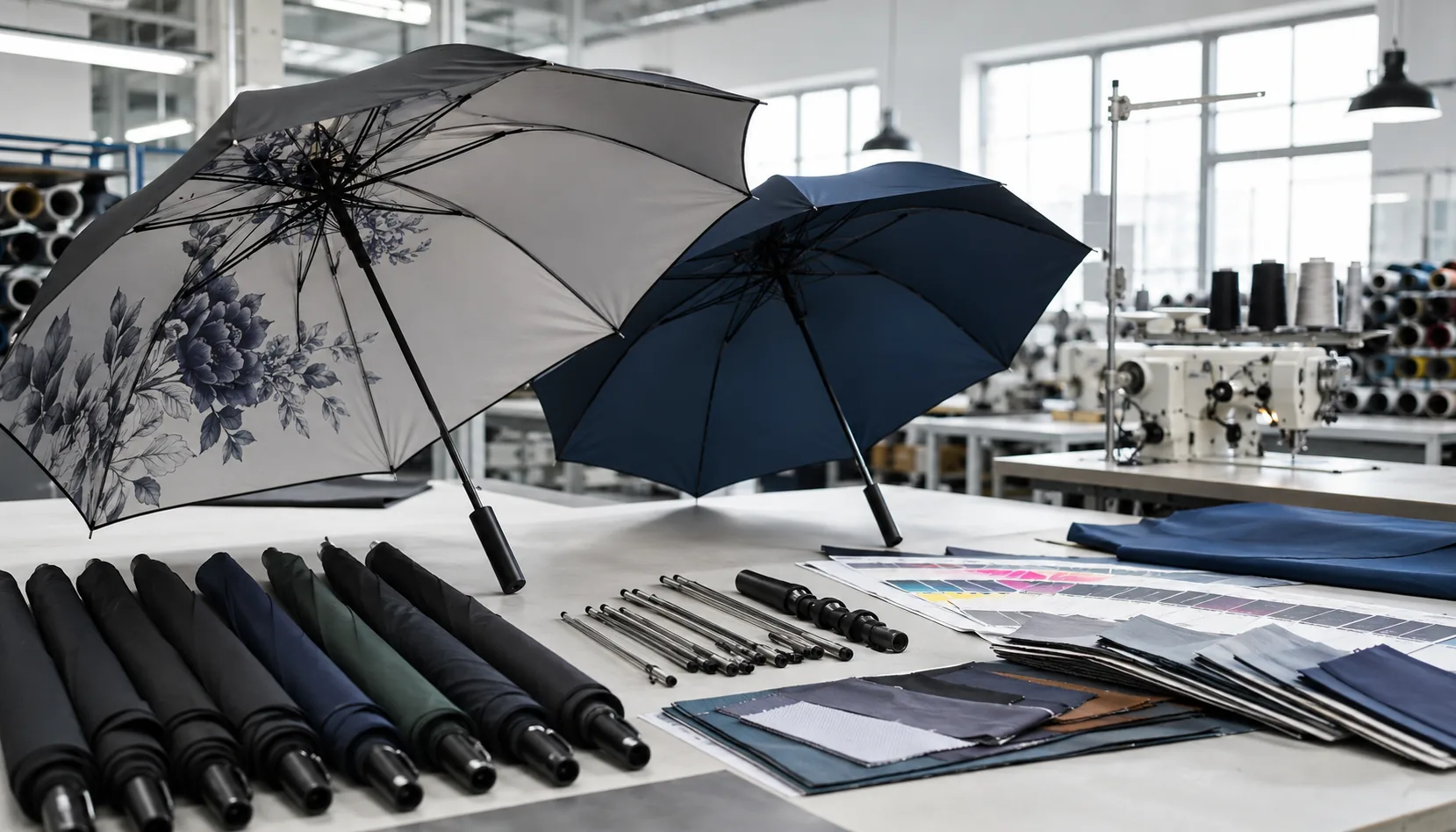
Inside-Canopy Branding for Premium Umbrella Orders
Use inside-canopy printing to create premium brand moments while controlling bleed, fabric choice, UPF lining, samples, ...
Read More »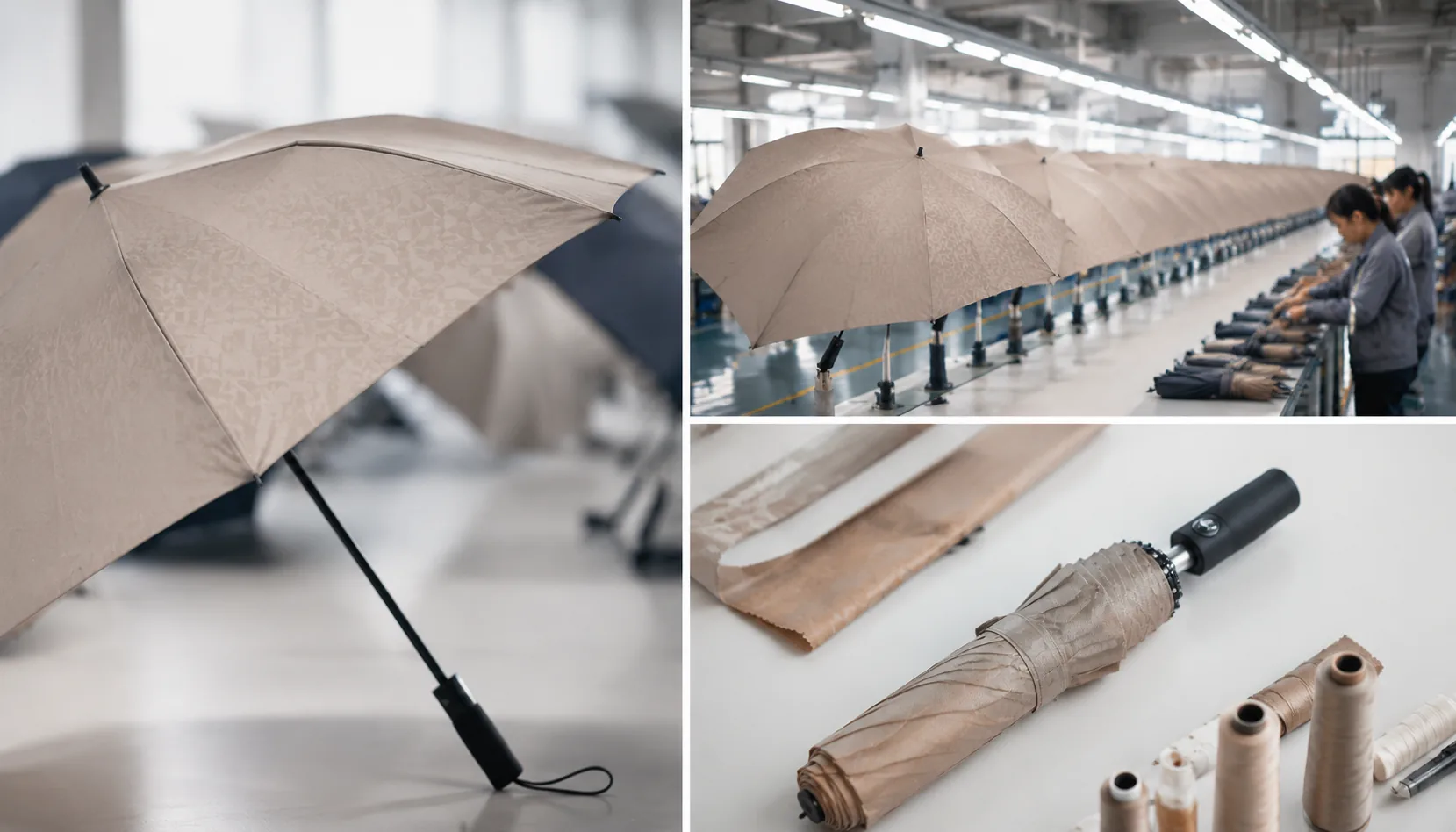
Tone-on-Tone Umbrella Branding for Subtle Retail Programs
Create understated umbrella branding with tone-on-tone logos, matched trims, and controlled contrast for premium retail ...
Read More »