Private Label Umbrella Assortments: Building a Retail Line
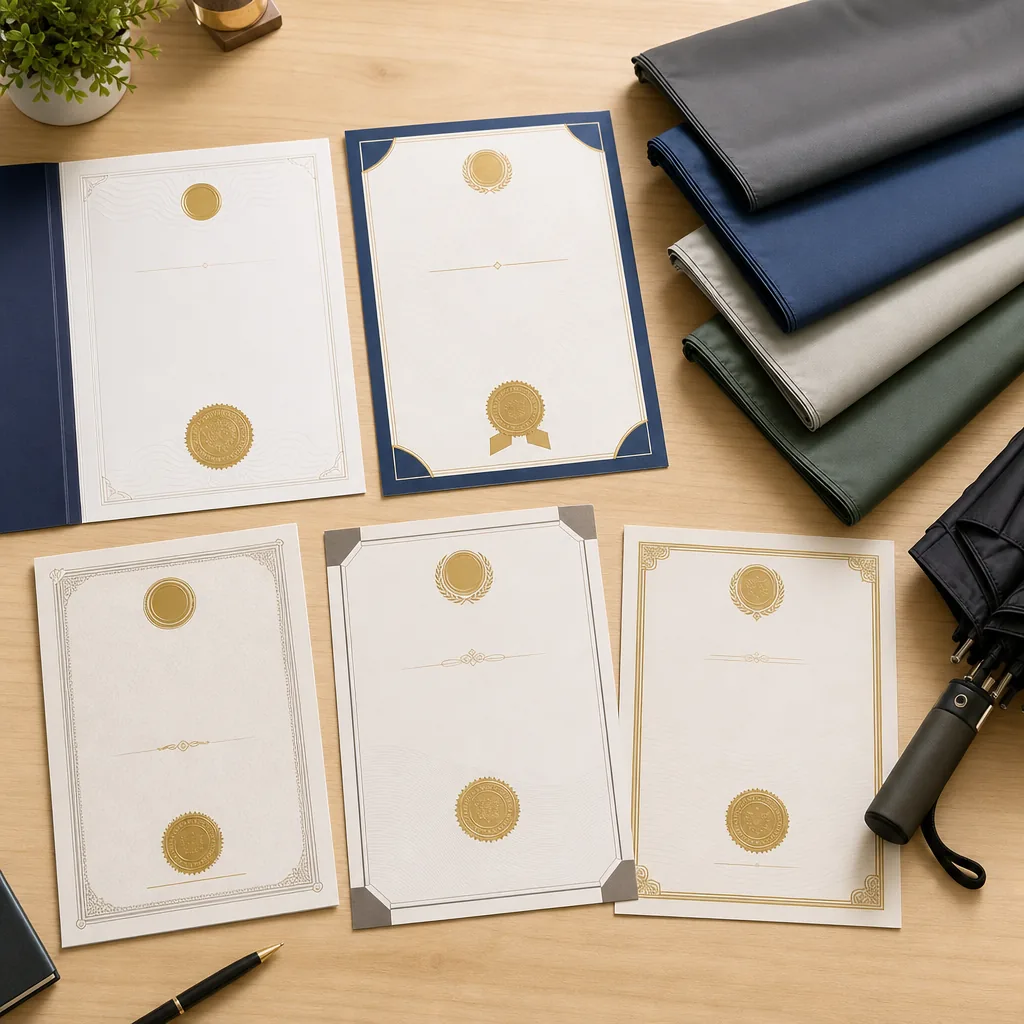
A profitable private label umbrella assortment is built before the first PO—when you decide which SKUs deserve shelf space, which frame specs can survive real use, and how far packaging can go without eating margin. On our Songxia factory floor, the best retail programs start with a tight mix of proven constructions, controlled fabric choices, and samples tested against the same production methods we will use at scale.
Start With the Retail Price Architecture
Price architecture should be fixed before anyone argues about rib material or handle shape, because retail margin decides the umbrella long before the sample room does. For a private label umbrella assortment, I usually map three shelves first: an entry compact at roughly $9.99–$14.99 retail, a mid-range stick or folding model at $19.99–$29.99, and a premium golf or windproof model at $39.99–$59.99. If the buyer needs a 60% gross margin, the FOB target may be only 22%–28% of retail after packaging, inland freight, duty, and markdown allowance. That means an entry 21" manual 3-fold cannot carry fiberglass ribs, a rubberized handle, 210T pongee, and UPF 50+ coating all at once. In retail umbrella sourcing, the correct question is not “What is the best umbrella?” but “What construction survives customer use and still lands inside the margin box?”
Entry price points normally use steel ribs and shaft, 190T pongee, manual open, straight polyester binding, and a simple PP or ABS handle. Steel is heavier and can bend after a bad wind flip, but it keeps the ex-factory cost stable and works for rain-only urban use. The mid-range tier is where umbrella product line planning gets more interesting: auto-open, 190T or 210T pongee, partial fiberglass ribs, better spring assemblies, and a cleaner sleeve can justify a higher ticket without overbuilding the product. A 23" 8K auto-open stick umbrella with steel shaft and fiberglass ribs is often a better retail SKU than a cheap 16K model with weak rib tips, because customers feel the opening action and canopy tension immediately. Our standard practice at ZheBrella is to cost these choices side by side before sample approval, not after artwork is already confirmed.
Premium branded umbrella SKUs should earn their price through visible and testable upgrades, not just a logo plate. For golf umbrellas, that usually means 27" or 30" arc size, fiberglass shaft and ribs, double-canopy venting, 210T pongee with Teflon water-repellent finish, and wind-tunnel performance around 50+ mph when the frame geometry is correct. For compact premium models, auto-open-close mechanisms, stronger runner springs, reinforced tips, and UPF 50+ coating can support a $39.99 retail position, but they also increase AQL risk if the mechanism supplier is weak. A balanced OEM umbrella range may carry six to ten branded umbrella SKUs: two entry folders, two mid-range daily models, one kids or clear POE dome, one storm compact, and one or two golf umbrellas. That structure prevents every SKU from competing at the same price and makes the private label umbrella assortment easier to buy, replenish, and explain at shelf.
Choose a Balanced SKU Mix
A balanced private label umbrella assortment should start with four working roles, not twenty look-alike designs. For most retailers, I would build around a 21" or 23" 3-fold compact for daily bags, a 23" straight walking umbrella for mainline city use, a 27" or 30" golf umbrella for higher-ticket coverage, and one seasonal UPF 50+ sun model for spring and summer. The compact is usually 190T or 210T pongee with auto-open-close if the target retail price allows it; manual open keeps cost down but feels entry-level. The straight walking umbrella can use a J-handle, 8K steel shaft, and fiberglass ribs for a more stable, giftable SKU. Golf umbrellas should not be treated as oversized fashion umbrellas: a 60" to 68" arc, double-canopy vent, and fiberglass frame are the minimum if you want credible wind performance around 50 mph in testing.
Colors decide whether the line looks planned or like leftover inventory. In retail umbrella sourcing, I suggest 60% safe core colors, 25% seasonal colors, and 15% print or brand-led patterns. Black, navy, charcoal, beige, and dark green should carry the forecast because they sell across weather events and regions. Seasonal colors can rotate twice per year: soft pastels and UV silver-coated canopies for summer, burgundy, forest, and plaid for fall. Branded umbrella SKUs need enough visual separation on the sales floor, so do not put the same navy canopy on every frame type unless the handle, sleeve, or logo placement is clearly different. Canopy diameter is also part of merchandising: a 98 cm compact feels personal, a 105 cm straight umbrella feels everyday, and a 130 cm golf umbrella reads as premium protection.
Rib count should support the SKU’s price point and use case, not just decorate a specification sheet. An 8K structure is the normal choice for compact and straight umbrellas because it balances weight, closing force, and factory cost; 16K works best when you want a sturdier, more premium hand feel on a straight umbrella or a fashion-led OEM umbrella range. For golf umbrellas, 8K fiberglass ribs are usually stronger in real wind than cheap 16K steel ribs, especially when paired with a vented double canopy and reinforced runner. For umbrella product line planning, keep each SKU’s engineering logic consistent: compact equals portability, straight equals daily reliability, golf equals coverage and wind resistance, UPF 50+ equals shade and heat control. Our standard practice at ZheBrella is to freeze the frame, fabric, and mechanism first, then adjust colors and print artwork so sampling does not drift into four unrelated products.
Standardize Components to Control MOQ
The fastest way to make a private label umbrella assortment financially workable is to standardize the invisible parts: shafts, runners, springs, tips, caps, sleeves, cartons, and insert cards. A buyer may want six retail looks, but the factory should not be forced to build six different engineering platforms. For example, a 23" auto-open stick umbrella, a 21" auto-open-close folding umbrella, and a 27" golf umbrella can share 190T or 210T pongee fabric colors, molded plastic tips, woven labels, care tags, and the same retail barcode sticker format. That keeps fabric cutting efficient, reduces color-lot problems, and lets purchasing combine raw material demand. In real retail umbrella sourcing, MOQ pressure usually comes from fabric dyeing, handle tooling, printed packaging, and mechanism setup—not just final assembly. If the range uses one black fiberglass shaft system, two handle colors, and common sleeves, 600 to 1,200 pieces per SKU is much easier to negotiate than if every SKU has a different shaft, grip, trim, and carton structure.
Good umbrella product line planning separates customer-facing variety from production complexity. You can create branded umbrella SKUs by changing canopy print, panel layout, logo placement, hangtag language, and sleeve artwork while keeping the frame, handle, rib count, and packaging dimensions shared. A 10K fiberglass compact model in navy, black, and red can feel like three SKUs on the sales floor, but in production it is one BOM with three canopy colors. The same applies to a 23" 8K steel-shaft city umbrella and a 30" double-canopy golf umbrella: use common pongee, matching hook-and-loop closures, the same woven brand label, and one master carton specification where possible. Our standard practice at ZheBrella is to lock the component matrix before sampling, then allow decoration changes after the frame passes open-close cycling and basic wind testing. This avoids the common mistake of approving attractive pre-production samples that cannot be consolidated into a stable OEM umbrella range.
Private molds and custom handles make sense only when the volume or brand positioning pays for the tooling. A unique EVA pistol grip, rubberized crook handle, metal badge insert, or color-matched soft-touch coating can improve shelf recognition, but tooling charges and trial runs are real costs. For small programs under 3,000 to 5,000 units per style, I usually recommend existing handle molds with custom logo debossing, heat-transfer badges, or printed end caps. Once the program reaches 10,000 to 30,000 units across a season, a private mold becomes more reasonable because the tooling cost can be spread over multiple drops and replenishment orders. The key is to design the handle around a shared shaft diameter and runner system, not as a one-off sculpture that forces a new frame. A disciplined private label umbrella assortment should reserve custom tooling for signature items, while core price-point SKUs stay on proven components that pass AQL 2.5 inspection with fewer surprises.
Plan Branding, Packaging, and Retail Presentation
Umbrella product line planning should connect packaging cost to price tier. A basic OEM umbrella range for supermarkets may use one-color hangtags, barcode stickers, and plain brown inner cartons to keep FOB cost controlled, especially at MOQ levels of 1,000–3,000 pieces per color. A department-store or gift-channel line can justify color boxes, matte lamination, spot UV logos, molded inserts, and printed display cartons, but these add lead time because packaging proofing usually takes 5–7 days and mass printing another 7–10 days. Our standard practice at ZheBrella is to approve packaging artwork together with the pre-production sample, then check barcode scanability, carton marks, and pack-out quantity during AQL 2.5 inspection. That matters because a beautiful private label umbrella assortment can still fail receiving if the carton label does not match the buyer’s system, the sleeve color is inconsistent, or the retail carton crushes during DDP delivery.
Sampling, Testing, and Reorder Management
Sampling should be treated as a controlled gate, not a showroom exercise. For a private label umbrella assortment, I usually separate proto samples from pre-production samples. Proto samples confirm the retail idea: 21" compact auto-open-close, 23" straight manual, 27" golf umbrella, children’s POE dome, or a 30" double-canopy vented model. At this stage, expect substitutions in fabric color, handle finish, or logo method because the goal is to verify construction, not lock the line. Proto timing is normally 7–12 days for plain pongee 190T/210T styles and 12–18 days when custom molded handles, sublimation panels, or special coatings like Teflon or UPF 50+ are involved. Pre-production samples are different: they must use actual bulk fabric, confirmed rib material, approved print position, retail hangtag, barcode, sleeve, and carton marking. I do not advise opening bulk fabric cutting until the buyer signs this sample, because one wrong logo angle can multiply into 10,000 unsellable branded umbrella SKUs.
Testing must match the risk level of the channel. A basic promotional compact may only need open-close cycling, water spray testing, colorfastness, and carton drop checks, but retail umbrella sourcing needs tighter control because returns damage the shelf program. For metal-shaft umbrellas, check spring strength, runner smoothness, tip alignment, and rust resistance after humidity exposure. For fiberglass ribs, flex recovery matters more than raw stiffness; an 8K umbrella can survive normal city use, while 10K or 16K ribs are better for premium windproof positioning. Double-canopy vented golf umbrellas should be wind-tunnel checked, commonly to 50+ mph depending on rib diameter and stretcher design. Final inspection should use AQL 2.5 for major defects, with critical defects such as sharp burrs, broken ribs, failed auto-open mechanisms, or incorrect safety labeling treated as zero tolerance. Carton drop checks from around 76 cm on corners, edges, and faces catch weak export packing before FOB shipment, especially for heavy 27" and 30" assortments.
Reorder management has to be planned before the first purchase order, especially if the private label umbrella assortment is tied to spring storms, monsoon travel, campus bookstores, or Q4 gift sets. A normal calendar is 10–20 days for sample approval, 30–45 days for bulk production after deposit and pre-production approval, 3–7 days for final inspection and factory loading, then FOB Ningbo or Shanghai shipment depending on vessel space. DDP programs need more buffer because customs clearance, inland delivery, and retailer appointment scheduling can add 15–30 days depending on destination. Our standard practice at ZheBrella is to ask buyers for rolling forecasts 90–120 days before rainy seasons, then reserve fabric and frame capacity before the cluster gets congested. For umbrella product line planning, keep repeatable black, navy, and gray SKUs on shorter reorder cycles, while fashion prints and licensed patterns should be ordered earlier because fabric printing and color approval slow the timeline. A practical OEM umbrella range uses sales history by size, mechanism, and price point, not just total units sold.
Frequently Asked Questions
How many umbrella SKUs should a new private label line start with?
Most buyers can start with three to five SKUs: a compact folding model, a straight umbrella, a golf umbrella, and one premium or seasonal item. This keeps MOQ manageable while covering key retail use cases.
Can one factory produce both budget and premium umbrella models?
Yes, a vertically integrated OEM/ODM factory can usually build different tiers by changing fabric, ribs, shaft, handle, mechanism, and packaging. The key is to lock specifications by SKU so quality and cost do not drift.
What is a practical starting SKU count for a new private label umbrella line?
For a first launch, many buyers start with 4-8 SKUs: typically 1 compact, 1 full-size stick, 1 auto open/close, and 1 windproof model, each in 1-2 core colorways or prints. This keeps sampling and MOQ manageable while still giving retailers clear price-point and use-case coverage.
How should MOQ be split across colors and handle variations in one umbrella program?
Factories often allow MOQ by style rather than by total program, so a 1,200-piece style may need to be divided into 300-piece colorways if the canopy fabric and frame stay the same. If you change handle molds, shaft finish, or packaging format, expect separate MOQ thresholds and possibly extra tooling or setup charges.
What details should be locked before approving pre-production samples for a retail assortment?
Buyers should confirm canopy diameter, closed length, frame material, rib count, fabric weight, print position, hangtag/barcode format, and carton pack count before PPS approval. Missing these details can delay bulk production by 7-14 days, especially when retail-ready inserts or mixed-assortment cartons are involved.
Looking to Launch Your Custom Umbrella Line?
ZheBrella is a Zhejiang-based OEM/ODM umbrella manufacturer with 17 years of export experience. Free design, low MOQ from 100 pieces, windproof construction, full-color print.
Get Free Quote Now »People Also Search For
Related Articles

Private Label Umbrella Programs: SKU Planning for Retail Buyers
Plan retail umbrella SKUs with the right sizes, fabrics, MOQ, packaging, and FOB/DDP timelines before committing to a pr...
Read More »
Private Label Umbrella Line Planning: SKUs, Specs, and MOQ
Plan a private label umbrella range with smart SKU tiers, shared frames, MOQ control, lead times, and specs that protect...
Read More »Building a Private Label Umbrella Assortment for Retail
Plan a profitable private label umbrella line with SKU mix, rib counts, fabric grades, MOQ strategy, packaging, and FOB/...
Read More »