RPET Recycled Umbrellas: Buyer Specs for Sustainable Lines
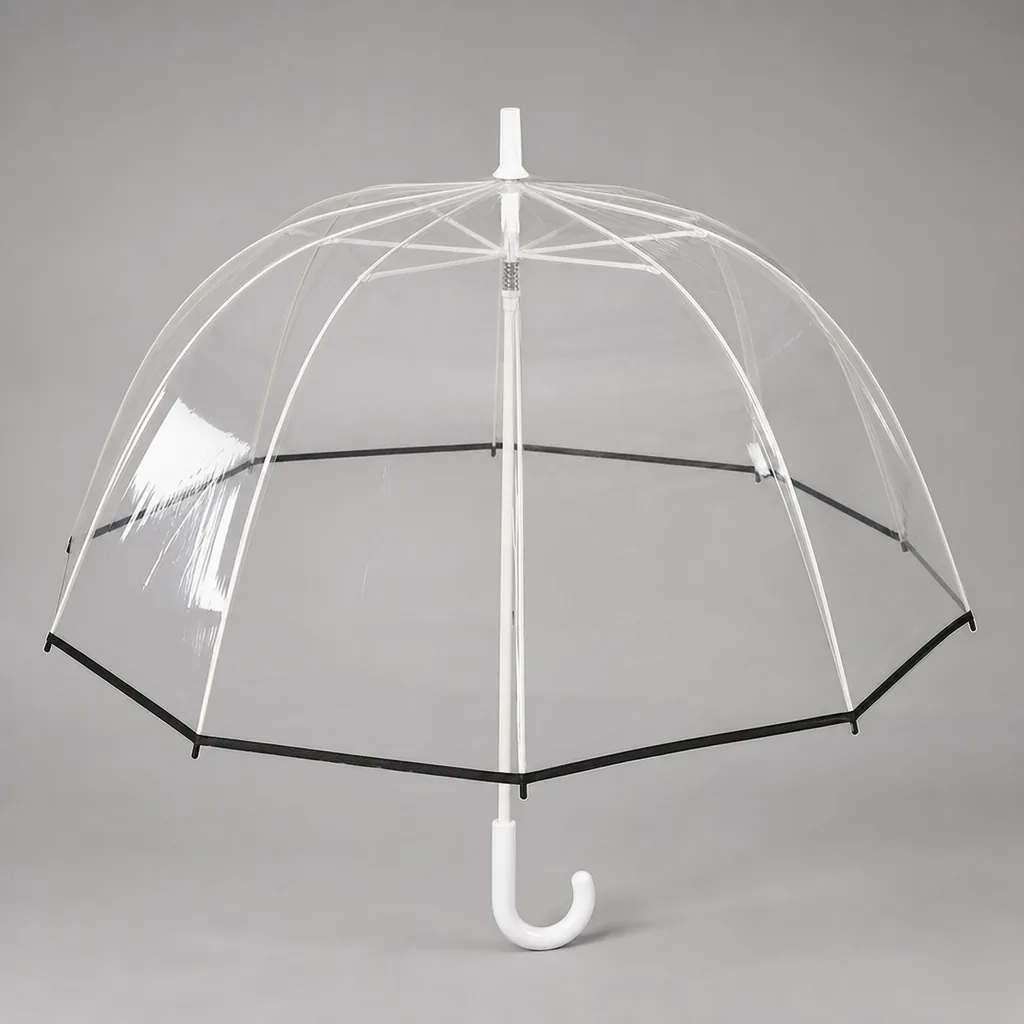
Sustainable umbrella programs often look simple on a spec sheet, but the factory risks show up in fabric sourcing, coating performance, frame selection, and carton-level QC. For RPET recycled umbrellas, buyers need to confirm the recycled content claim, match pongee weight and finish to the target price, and avoid packaging choices that create delays or fail retail audits. On our Songxia production floor, these details decide whether an eco line ships cleanly or becomes a rework problem.
What Makes an Umbrella Truly RPET
RPET recycled umbrellas are usually “RPET” because the canopy fabric is recycled polyester, not because every component is recycled. The frame is still commonly steel, fiberglass, or aluminum; the shaft, runner, tips, handle, and end cap may be virgin plastic, wood, rubberized ABS, or EVA. In production terms, the claim normally starts with recycled pongee umbrella fabric, often 190T or 210T polyester woven from yarn made from post-consumer PET bottles. For a 23-inch 8K auto-open umbrella, the canopy is only one bill of materials line, even if it is the most visible one. A buyer should not approve artwork that says “100% recycled umbrella” unless every claimed component is documented. Safer language is “canopy made with recycled polyester” or “RPET canopy,” with the recycled percentage stated if verified.
The serious documentation is GRS, not a supplier’s green icon on a quotation sheet. A GRS umbrella factory should be able to provide its own valid scope certificate, the fabric mill’s scope certificate, and transaction certificates that connect the recycled yarn or fabric lot to the umbrella order. The transaction certificate matters because it ties recycled content to a specific shipment volume; without it, you may only be seeing that somebody in the supply chain was certified at some point. For custom orders, ask whether the canopy fabric is GRS-certified 190T pongee, whether the sewing factory is included in the chain of custody, and whether trims such as sleeve fabric are also RPET or standard polyester. Our standard practice at ZheBrella is to separate RPET fabric rolls by PO, color, and GSM before cutting, because mixed storage is where traceability mistakes usually happen.
Before using sustainability language on retail packaging, Amazon listings, corporate ESG reports, or sustainable promotional umbrellas catalogs, buyers should verify three items: exact recycled content percentage, certification coverage, and claim wording. A quotation saying “RPET fabric” is not enough for legal or brand-risk purposes. Ask for the fabric composition report, GRS scope certificate numbers, transaction certificate availability after shipment, and whether the final umbrella model was packed under a documented chain-of-custody process. Also check if coatings affect the claim: Teflon water-repellent finish, black UV coating for UPF 50+, or silver coating may still be applied to recycled polyester, but they do not make the coating itself recycled. If you are sourcing through an eco umbrella supplier for promotional campaigns, lock the claim in the purchase order and artwork approval file, not just in email, so AQL 2.5 inspection can include label, hangtag, and carton wording checks.
RPET Fabric Specs: 190T vs 210T Pongee
For RPET recycled umbrellas, the first fabric decision is usually 190T versus 210T recycled pongee umbrella fabric. Both are woven from recycled polyester yarn, but the density changes the hand feel and appearance. 190T pongee is lighter, softer, and more economical; on a 23-inch 8K manual umbrella it keeps the finished weight down and is comfortable for high-volume giveaways. The tradeoff is slightly lower opacity, especially on white, yellow, or pastel panels, where ribs and seams can shadow through under strong light. 210T pongee feels tighter and smoother in the hand, with better drape on 27-inch golf umbrellas and 30-inch event umbrellas. It also looks more retail-grade because the weave has less grin-through after printing and coating. If the buyer is building sustainable promotional umbrellas for conferences, 190T is often enough. If the line is for retail, corporate gifting, or hotel use, I normally push buyers toward 210T.
Print sharpness is where 210T justifies its extra cost. On screen printing, heat transfer, and full-panel sublimation, 210T gives cleaner logo edges because the yarn spacing is tighter and the surface is more stable during heat pressing. Fine text under 6 mm, QR codes, gradients, and Pantone-critical brand marks hold better on 210T than on 190T. With 190T, bold one-color logos are fine, but small registration errors become more visible after sewing because the panels stretch slightly during handling. Water resistance depends more on finishing than fabric count, but 210T usually carries PU coating more evenly and passes spray testing with fewer weak points along the fold lines. Our standard practice at ZheBrella is to specify 190T RPET with PU coating for budget promo orders, and 210T RPET with higher-grade PU or specialty coating when the buyer requires cleaner printing, darker color opacity, or stricter AQL 2.5 inspection results.
Coating selection should be tied to the umbrella’s use, not just the sustainability story. Clear PU coating is the standard for rain umbrellas because it improves water repellency without changing the face color much, and it is the safest choice for most PMS-matched canopy colors. Black coating is used when buyers need serious shade performance and opacity; on a 210T RPET canopy it can reach UPF 50+ and block visible light well, but it adds weight and makes the inside panel black, which may not suit every brand design. Silver coating is also used for UPF 50+ sun protection and gives a reflective underside, common on beach, golf, and outdoor event umbrellas, though it can show crease marks more easily during folding and carton compression. As an eco umbrella supplier or GRS umbrella factory will tell you, recycled content certification does not automatically mean premium performance; the fabric count, coating recipe, colorfastness, and print method still decide whether the umbrella feels cheap or durable.
Frame and Component Choices for Eco Programs
The canopy may carry the sustainability story, but the frame decides whether the umbrella survives real use. For RPET recycled umbrellas, I usually separate the frame decision into two lanes: retail durability and promotional cost control. Fiberglass ribs are the best match when the buyer wants a credible eco line that does not feel disposable; an 8K or 10K fiberglass rib set flexes better than painted steel in gusts and helps a 23" or 27" umbrella pass practical wind testing around 35–50 mph, depending on shaft and canopy design. Steel ribs are cheaper and give a firm feel, but they bend permanently after inversion and add weight. Aluminum shafts reduce weight for compact and travel models, though they need correct wall thickness because thin aluminum dents easily at the runner lock. Steel shafts are stronger and lower cost, especially for stick umbrellas, but they increase shipping weight and can work against the “light, green” perception buyers expect from sustainable promotional umbrellas.
Handles are where buyers often overpay for the wrong signal. Bamboo handles look natural and photograph well, so they work for boutique retail, hotel gifting, and ESG campaigns where perceived sustainability matters at first touch. The trade-off is consistency: bamboo varies in color and grain, and poor drying can lead to cracking or mold risk during ocean freight if cartons sit in humid warehouses. Recycled plastic handles are more stable, easier to color-match by Pantone, and better for large MOQ programs, but they need documentation if the claim will be printed on hangtags. A recycled pongee umbrella fabric canopy with a virgin ABS handle may still be a responsible product, but the claim must be worded carefully. Our standard practice at ZheBrella is to define the recycled content by component on the spec sheet, not call the whole item recycled unless the handle, sleeve, and sometimes tips are also included in the material claim.
A practical eco specification is often a hybrid, not an all-recycled build. For a 21" auto-open-close compact, fiberglass ribs plus a steel center shaft keep the mechanism stable, while an RPET 190T pongee canopy controls cost and weight. For a 23" straight umbrella, a steel shaft with 8K fiberglass ribs and bamboo J-handle gives a good balance of strength, price, and retail appearance. For a 27" or 30" golf umbrella, fiberglass shaft and ribs are better if wind resistance is part of the selling point, especially with a double-canopy vented construction and 210T RPET fabric. A serious eco umbrella supplier should also confirm whether the factory is operating under GRS transaction certificate control; a GRS umbrella factory can support traceability, but only for the certified material flow. Buyers should still specify AQL 2.5 inspection points for rib riveting, runner locking, handle pull strength, canopy leakage, and print adhesion because sustainability does not excuse weak hardware.
Branding, Packaging, and Retail Presentation
Branding on recycled pongee umbrella fabric needs tighter control than on standard virgin polyester because buyers often ask for proof that the fabric, ink system, and claim all match. For RPET recycled umbrellas, screen printing is still the safest choice for 1–3 spot-color logos on 190T or 210T pongee, especially corporate marks that must hit Pantone within a reasonable tolerance. We normally test ink adhesion after a 24-hour cure, then rub and fold the printed panel because poor ink will crack along rib lines after repeated opening. Digital printing works better for full-panel artwork, gradients, or event graphics, but the fabric should be pre-treated and the artwork checked for color shift after water-repellent finishing. Heat transfer is useful for small logos on compact 21" and 23" umbrellas, but thick transfers feel plasticky and can peel if the canopy is folded too tightly in retail packaging.
For sustainable promotional umbrellas, the branding method should be chosen together with the canopy structure, not after the frame is finished. A double-canopy vented windproof model with 8K fiberglass ribs gives more logo area but also more seam interruptions, so large digital graphics need panel-by-panel alignment before sewing. A straight 27" or 30" golf umbrella can carry bigger sponsor marks, but screen registration becomes more visible across wide panels, especially on dark RPET pongee. If the buyer requires GRS wording, the logo file, hangtag copy, and carton marks must avoid vague claims like “100% eco” unless the chain-of-custody documents support it. As a GRS umbrella factory, ZheBrella’s standard practice is to separate recycled fabric rolls, record cutting lots, and keep print approvals tied to the same production batch so the buyer’s compliance team can audit the claim later.
Packaging is where many eco lines lose credibility, because a recycled canopy packed in heavy virgin plastic sends the wrong message at retail. Common choices include kraft paper gift boxes, recycled paper belly bands, soybean-ink hangtags, and reduced-thickness polybags used only to prevent moisture damage during FOB or DDP shipping. Some retailers ask for individual polybags to be eliminated, but I usually push back for ocean shipments longer than 25–35 days unless the master carton has a moisture barrier and desiccants; mildew on pongee is a bigger sustainability failure than one thin protective bag. FSC-style documentation may be requested for paper packaging, and buyers should confirm whether they need FSC-certified paper, FSC-mix claims, or simply recycled-content paper declarations. For retail presentation, specify barcode labels, warning labels, AQL 2.5 inspection points, carton drop-test requirements, and whether hangtags must show recycled content, UV UPF 50+ coating, Teflon finish, or windproof ratings such as 50+ mph.
Order Planning, Testing, and Import Terms
For RPET recycled umbrellas, the first planning mistake is treating the fabric like ordinary 190T pongee. Regular polyester can often be dyed and delivered quickly from nearby mills, but certified recycled pongee umbrella fabric needs chain-of-custody control, recycled yarn availability, and sometimes batch-level GRS documentation before cutting. For a real custom order, a practical MOQ is usually 1,000–3,000 pieces per color for 21" and 23" folding umbrellas, and 500–1,000 pieces for higher-value golf umbrellas in 27" or 30" sizes. If the buyer needs exact Pantone matching, allow 7–12 days for lab dips and another 10–18 days for bulk fabric. Production normally runs 35–50 days after artwork, sample, fabric color, and purchase order are approved. Rush orders are possible only when the RPET fabric is already in stock, and even then I would not promise tight retail packing, hangtags, and recycled-claim paperwork in the same timeline as a simple non-certified promotional umbrella.
Inspection for sustainable promotional umbrellas should not stop at checking the logo and carton count. Our standard practice at ZheBrella is AQL 2.5 for major defects, with checkpoints covering frame opening force, rib alignment, runner locking, seam slippage, canopy tension, printing registration, and handle attachment. For compact auto-open-close models, we also cycle-test the shaft and spring system because recycled fabric does not compensate for a weak mechanism. Fabric tests should include colorfastness to rubbing, water repellency by spray rating, and coating consistency if the canopy has Teflon, PU, or UV UPF 50+ treatment. On RPET orders, buyers should request transaction certificates or equivalent recycled-content statements, yarn or fabric invoices, and a material declaration that matches the final shipment quantity. A credible GRS umbrella factory will not issue vague recycled claims for cartons that include mixed conventional polyester, replacement panels, or non-certified leftover fabric.
Import terms affect both cost and accountability, especially when recycled-claim documents must follow the shipment. FOB Ningbo or Shanghai works best for experienced buyers with their own forwarder, because they control vessel booking, destination charges, and customs entry. Under FOB, the umbrella supplier handles export declaration, local trucking, and loading handover, while the buyer manages ocean freight, insurance, duties, and final delivery. DDP is easier for promotional distributors and event buyers because one landed price includes freight, customs clearance, duty, and delivery to warehouse, but the quotation must state carton volume, HS code, destination ZIP code, and whether duties on RPET recycled umbrellas are included or estimated. For retail programs, I recommend building a shipping buffer of 10–14 days beyond the factory completion date, since recycled documentation, customs inspections, and port congestion can delay an otherwise finished order. Sustainability claims are only useful if the paperwork, packing list, invoice, and product labeling all say the same thing.
Frequently Asked Questions
Is RPET umbrella fabric as durable as standard pongee?
For most retail and promotional umbrellas, RPET pongee performs similarly when the yarn density, coating, and finishing are equivalent. Buyers should compare 190T or 210T specs directly instead of judging by recycled content alone.
Can an RPET umbrella be certified as fully recycled?
Usually not, because ribs, shafts, springs, tips, and handles may use virgin steel, fiberglass, aluminum, or plastic. A reliable claim should specify the recycled canopy fabric and be backed by supplier documentation.
What documents should a buyer request for GRS recycled umbrella orders?
Ask for the supplier’s GRS scope certificate, transaction certificate for each shipment, and material traceability records. For a compliant program, the canopy fabric, lining, and packaging should all be mapped to the certified supply chain.
Does RPET umbrella fabric perform differently from standard polyester in rain testing?
In most cases, the key difference is recycled content verification rather than water resistance. Buyers should still specify coating weight, water pressure test requirements, and colorfastness standards to make sure the recycled fabric matches the same performance target as regular pongee.
How does recycled content affect MOQ and production lead time?
MOQ is often similar to standard custom umbrellas, but lead time can be 1-2 weeks longer if the factory needs certified yarn or special packaging. For repeat orders, many buyers reduce risk by locking the same fabric lot and frame spec for the full program.
Looking to Launch Your Custom Umbrella Line?
ZheBrella is a Zhejiang-based OEM/ODM umbrella manufacturer with 17 years of export experience. Free design, low MOQ from 100 pieces, windproof construction, full-color print.
Get Free Quote Now »People Also Search For
Related Articles
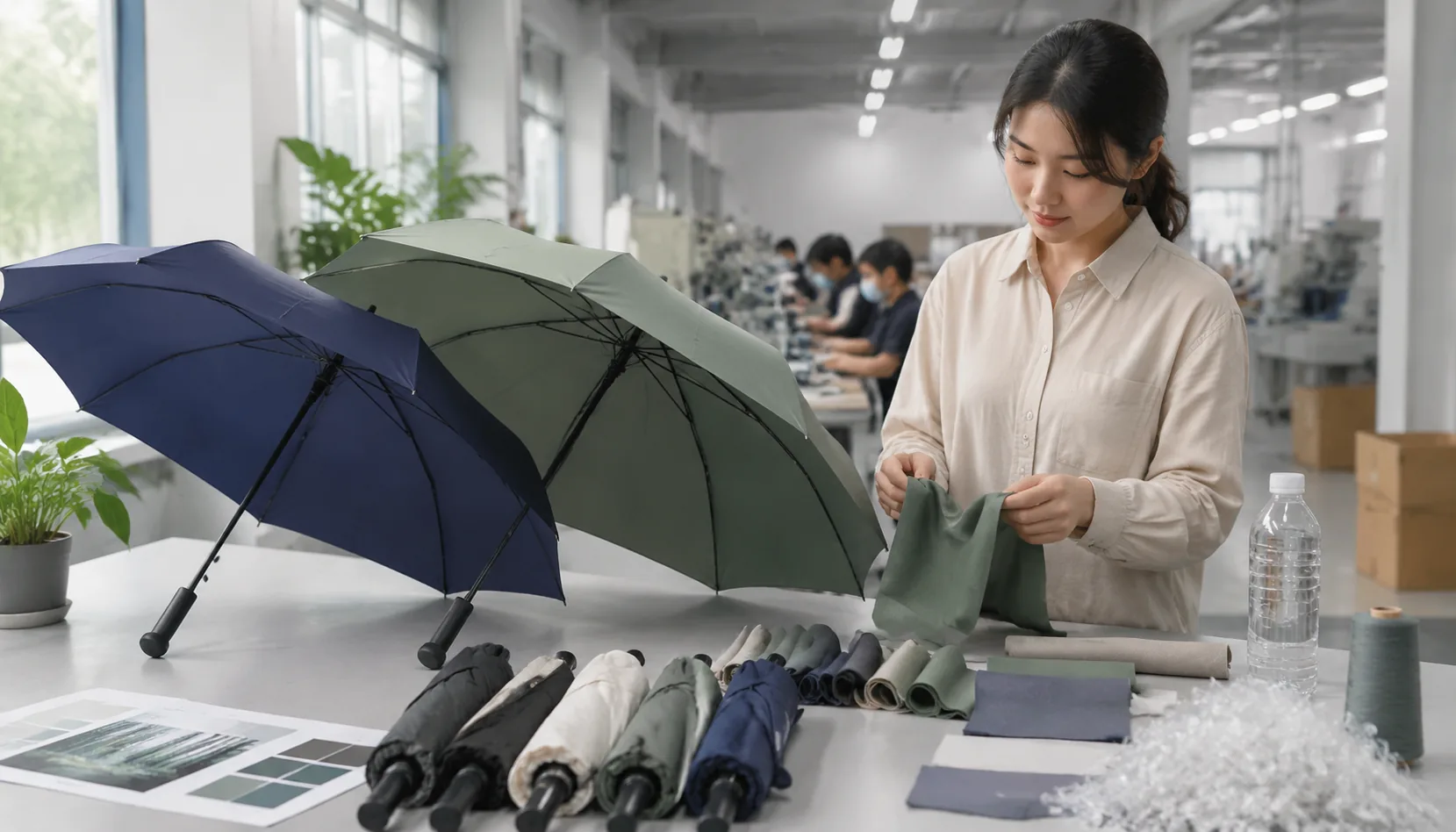
RPET Pongee Umbrellas: Buyer Guide for Sustainable Orders
Source RPET pongee umbrellas with verified recycled fabric, 190T or 210T specs, GRS documents, print options, MOQ planni...
Read More »RPET Recycled Fabric Umbrellas: OEM Buyer Guide
Learn how to specify RPET umbrella fabric, coatings, frames, labels, MOQ, and QC requirements for sustainable retail and...
Read More »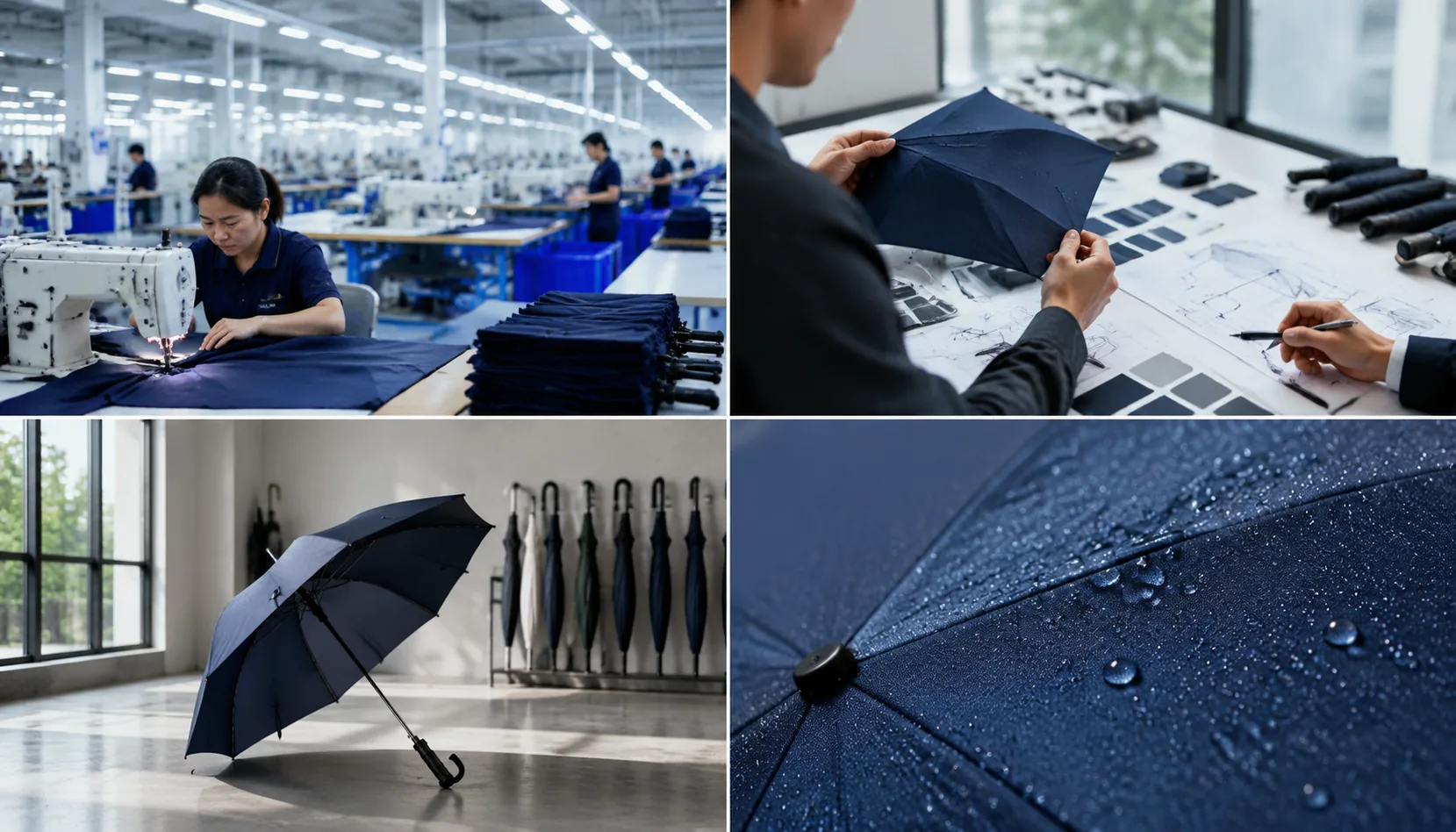
RPET Recycled Umbrellas: Buyer Specs for Brand Orders
Specify RPET recycled umbrellas with certified pongee fabric, frame choices, coating options, MOQ, documentation, AQL 2....
Read More »