Umbrella Factory PP Samples: What Production Approvals Must Verify
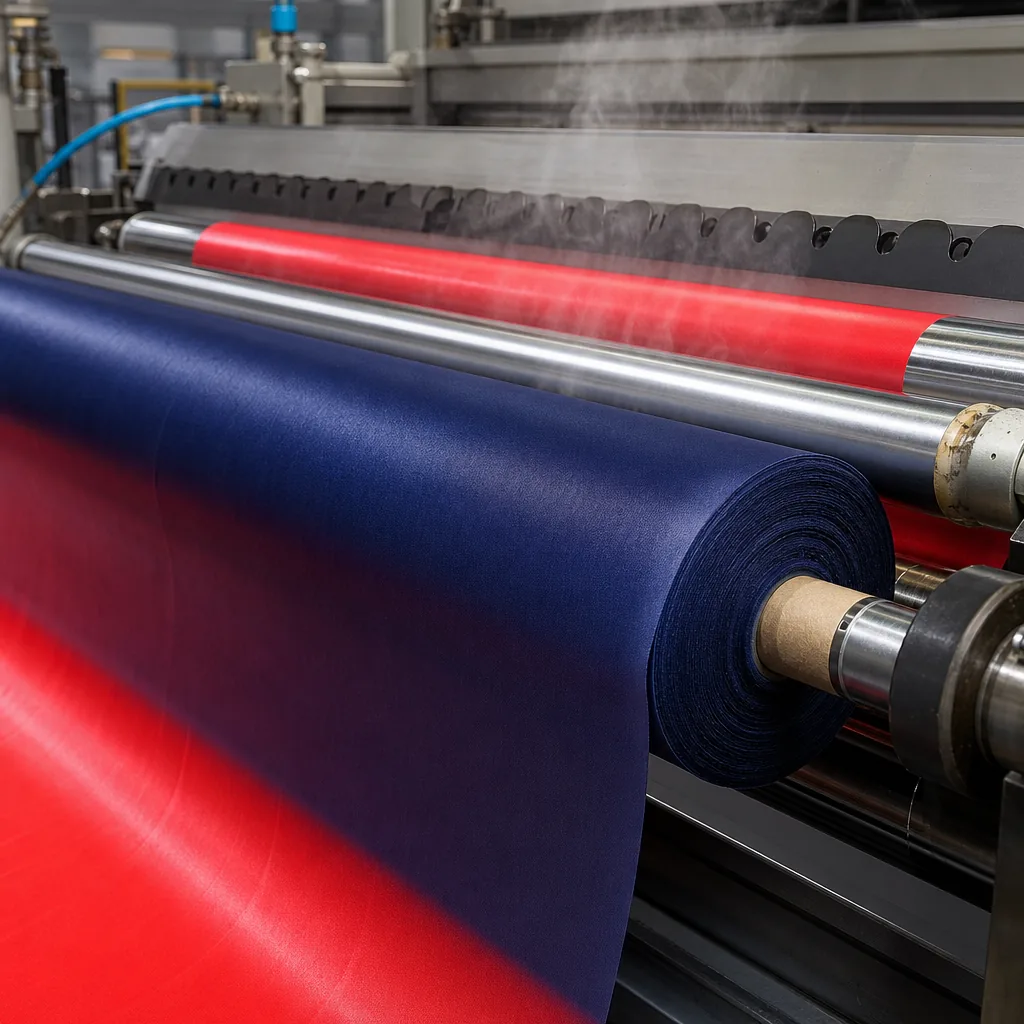
A PP sample looks simple on the bench, but on the factory floor it is the last chance to confirm that fabric shade, print placement, opening action, stitching, and pack-out all match the approved specification before bulk production begins. If umbrella pp sample approval is rushed, small mismatches in canopy tension, rib alignment, labeling, or carton counts can turn into costly rework, delays, and shipment disputes.
Why the PP Sample Is the Factory’s Final Production Gate
A pre-production sample is the factory’s last approval unit before bulk cutting, not a sales sample and not a golden sample. A sales sample is usually made to win the order, so it may use alternate cloth, mixed ribs, or hand-finished details that do not match mass production. A golden sample is the reference the factory keeps on file, but it may already reflect a prior revision. The umbrella pp sample approval should sit between deposit and material booking: confirm color, print, structure, and pack-out first, then release fabric, ribs, and frame components. If you approve after the mill has dyed pongee 190T or 210T, or after the factory has started cutting canopy panels, any change becomes a delay and a dispute over scrap, rework, or freight.
The pre-production sample checklist should verify what will actually ship in bulk. Match canopy color approval to the signed Pantone or physical swatch, confirm panel count, rib count, rib material, shaft diameter, tip and ferrule fit, and overall size, such as 21", 23", 27", or 30". For folding models, the auto-open mechanism check must include button travel, spring return, and lock engagement using the exact handle and runner spec that will go into production. Run repeated open-close cycles on the sample; if it binds, pops early, or loosens after 20 cycles, that is a production defect, not a cosmetic issue. Buyers should not release bulk cutting until these points are signed off, because once the canopy is cut, changes affect yield, assembly time, and QA risk.
Packaging approval belongs in the same gate. Confirm polybag size, hang tag copy, barcode position, inner pack quantity, carton dimensions, and master case count before cartons are printed. Check that the pack protects the point, ribs, button, and canopy fold, especially for export cartons that move through multiple handlings. For B2B orders, this is where buyers lock the claim-proof record: sample photos, measured specs, approved artwork, and packing method. If the factory ships under FOB or DDP terms, a missed detail at this stage can turn into chargebacks, missorted cartons, or avoidable air freight. A disciplined umbrella pp sample approval protects lead time, limits rework, and gives both sides a clear standard if bulk production later fails AQL 2.5 inspection.
Material and Construction Points to Confirm Before Bulk Cutting
Before bulk cutting, umbrella pp sample approval should lock the approved BOM line by line, not just the look of the prototype. The pre-production sample checklist needs to confirm frame material, rib count, and canopy construction against the signed spec: fiberglass ribs versus steel ribs, 8K or 16K frame design, and the exact shaft finish, whether plated steel, painted steel, or black powder-coated steel. Buyers should also verify the canopy fabric callout, such as pongee 190T or 210T, plus any UPF 50+ coating or double-canopy vented structure. If the buyer has approved a specific wind or durability target, the factory should document the corresponding rib layout, vent opening size, and sewing sequence before cutting starts. Those details affect unit cost, corrosion resistance, and field performance, so they belong in the signed master sample record, not in a later email thread.
Tolerance control matters as much as the spec itself, because a sample can look correct and still fail pack-out or freight requirements. Ask the factory to record measured arc size, closed length, and finished weight on the PP sample tag and measurement sheet, with agreed tolerances for each item. Buyers should also require notes on panel count, panel symmetry, seam allowance, and tip placement, especially on 8K and 16K frames where rib spacing changes canopy tension. A 23-inch umbrella that runs over target on arc or closed length can miss carton fit even if canopy color approval is already signed. Keep the master sample, measurement sheet, and packaging approval together so the same data controls production and inspection.
Do not leave color, opening action, or pack details to verbal agreement. Canopy color approval should use a physical swatch or Pantone reference checked under daylight and shop lighting, since fabric lot variation can create disputes at shipment. The auto-open mechanism check belongs at PP stage because spring load affects shaft fit, closure length, and carton seating. If the order includes packaging approval, confirm carton size, polybag, insert card, and accessory count before bulk production starts. That keeps umbrella pp sample approval tied to the signed order, reduces rework, and protects lead time before the first bulk cut.
Functional Checks for Opening, Locking, and Wind Stability
For umbrella pp sample approval, start with function, not photos. A manual umbrella should open with smooth runner travel, even resistance, and a firm stop at full extension; an auto-open model needs a true auto-open mechanism check with consistent spring force and positive lock engagement. Cycle the sample at least 10 times and confirm there is no binding at the stretchers, no hesitation at the top notch, and no roughening of the release on the third or fourth cycle. If the runner rattles on the shaft, the lock does not seat fully, or the frame feels loose at the center pole, reject it before production. These checks belong on the pre-production sample checklist because they show whether the frame can hold up in bulk use, not just whether the umbrella looks good on a table.
Appearance can hide real defects. A canopy may pass canopy color approval and still fail if the ribs do not reach full geometry, the panel tension is uneven, or the apex leans when the frame is open. Buyers should verify straight rib alignment, even tension at the tips and tip caps, and clean open-close action rather than relying on static photos. Basic wind stability is a practical check: the ribs should stay symmetrical, the ferrules and rib ends should line up, and the canopy should not flutter or twist to one side during normal handling. Include packaging approval in the same review so a good sample does not arrive bent, warped, or snagged in transit. That keeps umbrella pp sample approval focused on cost, risk, and whether the factory is ready to scale the same frame, spring, and sewing standard into production.
Print, Labeling, and Packaging Sign-Off Items
For umbrella pp sample approval, verify the logo against the sewn panel layout, not the artwork file alone. Panel registration should be checked on every printed segment because an 8K, 10K, or 16K canopy shifts after cutting and stitching. Approve the final print method—screen print, heat transfer, or sublimation—then check edge sharpness, seam crossing, and color matching under daylight against the Pantone target. Confirm canopy color approval on the actual fabric as well: pongee 190T, 210T, POE, and PVC all read differently once coated or laminated. If the shade is off at the PP stage, the bulk lot can be rejected after the first fabric run, which turns a simple correction into a full reprint or re-cut.
The pre-production sample checklist must also lock every label on the finished pack. Care labels should show fiber content, country of origin, and washing or drying instructions in the destination market language. Barcode labels need to scan on the packed unit, not just on a loose sample sheet, and the barcode size and placement should match the retail spec. Polybag warnings must be approved for font size, wording, language, and placement before packing starts, especially for Amazon and retail programs that reject noncompliant suffocation warnings. If the umbrella includes a branded sleeve, hang tag, or an auto-open mechanism check, make sure the tag does not block the button or interfere with the runner, or the buyer will pay for relabeling, rework, or a second inspection.
Packaging approval matters for MOQ efficiency and FOB shipment planning, not just appearance. Lock the inner pack count, fold direction, polybag size, insert card, export carton marks, and master carton dimensions before the factory orders film or paper stock; late changes usually create waste and can push the order above the planned MOQ. Correct carton sizing also protects loading efficiency in a 20-foot or 40-foot FOB shipment, because an extra millimeter in fold height or carton length can reduce units per master carton. For Amazon or retail compliance, verify suffocation warnings, carton labels, barcode placement, and shipping marks at the PP stage so the factory can pack once, pass inspection, and avoid warehouse relabeling or receiving delays.
How to Record PP Approval So QC Can Enforce It
The only umbrella pp sample approval that QC can enforce is the one documented in a single, signed packet. Record four controls: approved photos, measured dimensions, BOM references, and defect notes. The photo set should show the open and closed umbrella, tip, ferrule, handle, seam lines, canopy print, and the exact canopy color under neutral light. Measure the dimensions that affect fit and function: canopy diameter, rib length, shaft length, and finished weight. A 23" auto-open stick, a 21" compact folding umbrella, and a 30" golf model cannot share the same acceptance limits just because the artwork matches. Once signed, that packet becomes the benchmark for inline inspection and final inspection; do not leave it as a loose email attachment that QC cannot audit later.
Attach the pre-production sample checklist to the signed PP packet and tie every item to the BOM so QC works from one source of truth. List the fabric spec, such as 190T or 210T pongee, the canopy material, such as POE or PVC, the rib construction, such as fiberglass or steel, the open/close mechanism, and packaging approval details, including sleeve, hangtag, carton mark, and inner pack count. If canopy color approval was made against a Pantone target, record the code and the viewing condition. If the auto-open mechanism check passed, note the button response, spring action, and whether the shaft locks fully without partial deployment. Mark the approved sample with the PO number, date, and buyer sign-off, then link it to AQL 2.5 so appearance, function, and packing use the same pass/fail standard during production.
Add the planned lead time in days to the approval record, because schedule pressure is where unapproved substitutions usually appear. The signed PP sample should also define change-control rules: no fabric substitution, no rib gauge change, no handle material change, and no artwork revision unless the buyer issues written re-approval against a revised sample or golden reference. If the supplier wants to move from 210T pongee to 190T, or from manual to auto-open, treat it as a new umbrella pp sample approval, not a silent production adjustment. Keep the signed sample, inspection record, carton photos, and nonconformance log together so every inline defect and final reject can be judged against one fixed benchmark instead of a verbal explanation after the fact.
Frequently Asked Questions
Should the PP sample use final bulk materials or substitute materials?
It should use final intended materials whenever possible, including the approved fabric grade, frame specification, and packaging. If any substitute is used, the factory should clearly mark it and issue a delta list before bulk starts.
Can buyers approve a PP sample by photos only?
Photos can work for repeat programs, but physical review is safer for new constructions or auto-open styles. Mechanism feel, canopy tension, and packaging fit are hard to verify from images alone.
What details should a buyer confirm on an umbrella PP sample before bulk production?
A buyer should verify canopy fabric, color match, print placement, opening and closing function, rib alignment, handle finish, and all packaging components. For most orders, the PP sample should match the approved tech pack within agreed tolerances before production release.
How many PP samples are usually needed for an umbrella order?
Most B2B umbrella projects require one signed master sample plus one production reference sample kept by the factory. If there are multiple colorways or packaging versions, each version should be approved separately to avoid mix-ups during mass production.
How long does PP sample approval usually take for custom umbrellas?
A standard PP sample review cycle is often 3-7 days after the factory receives finalized artwork, color references, and packaging specs. If changes are needed, a revised sample can add another 2-5 days depending on the number of corrections.
Looking to Launch Your Custom Umbrella Line?
ZheBrella is a Zhejiang-based OEM/ODM umbrella manufacturer with 17 years of export experience. Free design, low MOQ from 100 pieces, windproof construction, full-color print.
Get Free Quote Now »People Also Search For
Related Articles
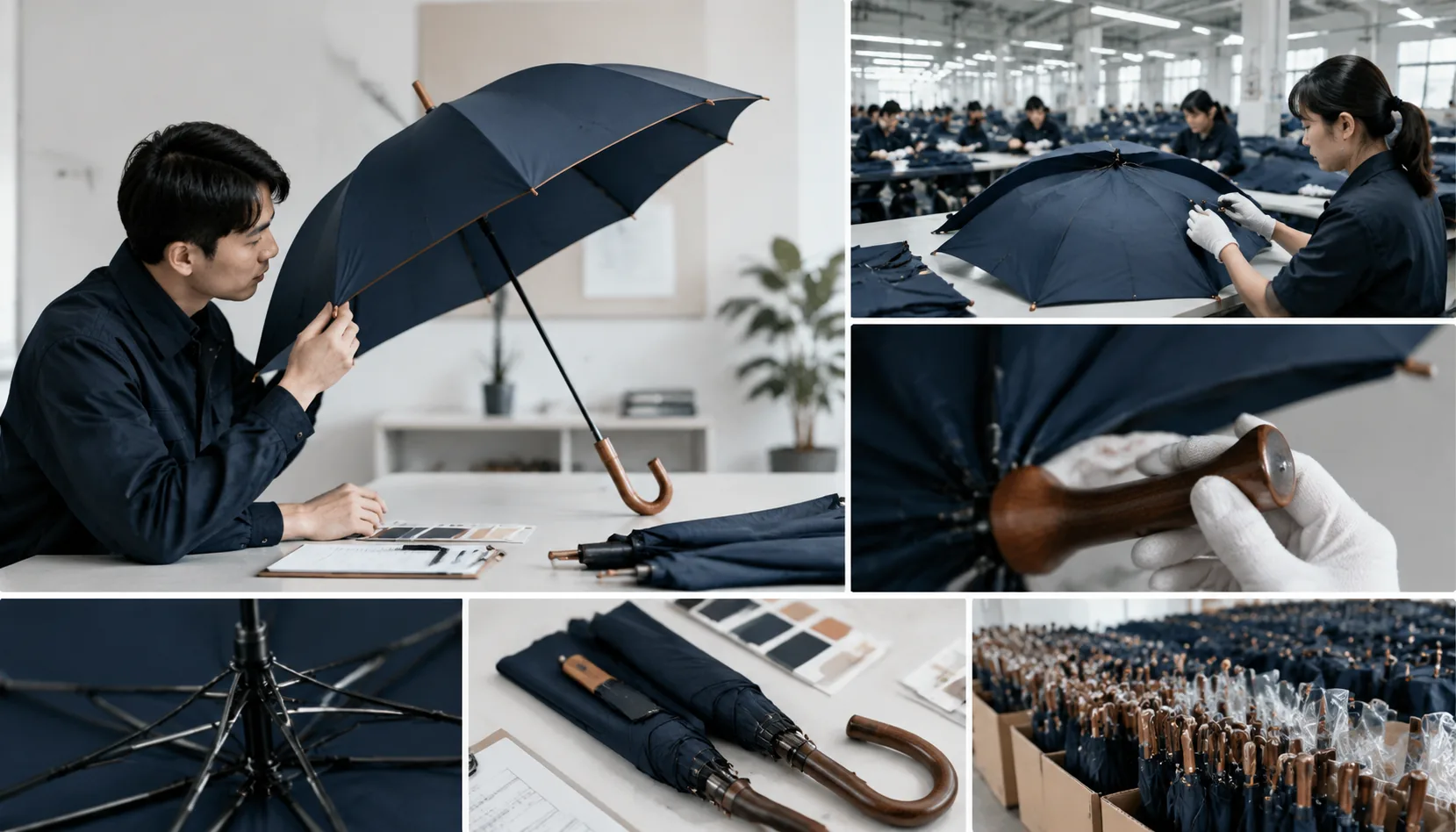
How to Audit Umbrella Samples Before Approving Mass Production
Use a practical sample-audit checklist to catch fabric, frame, print, and packing issues before umbrella mass production...
Read More »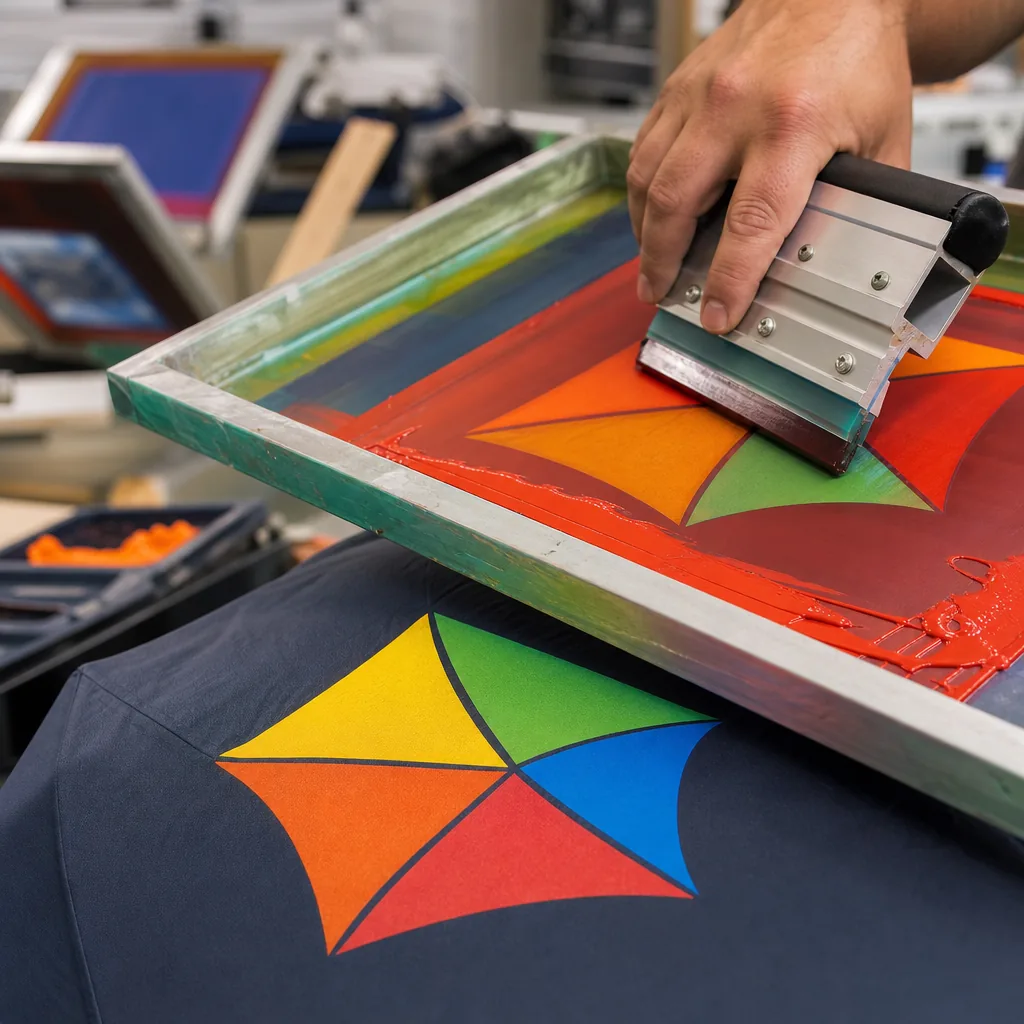
Umbrella Factory PPAP: How to Approve Parts Before Mass Run
Learn how umbrella PPAP-style approvals reduce defects by locking materials, dimensions, and golden samples before bulk ...
Read More »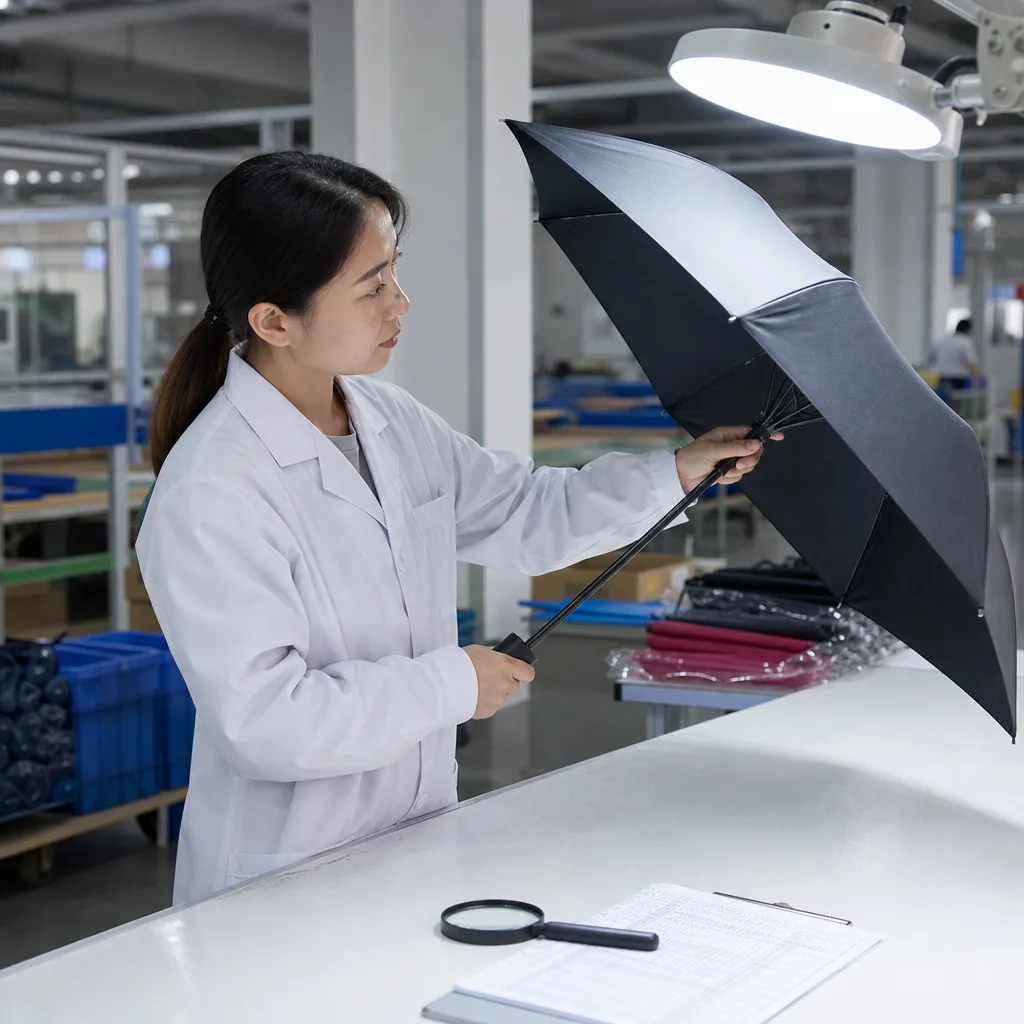
How Umbrella Samples Are Approved Before Mass Production
Learn how prototype, pre-production, and golden samples reduce color, fit, and mechanism errors before bulk umbrella pro...
Read More »