Umbrella Failure Mode Analysis for OEM Product Development
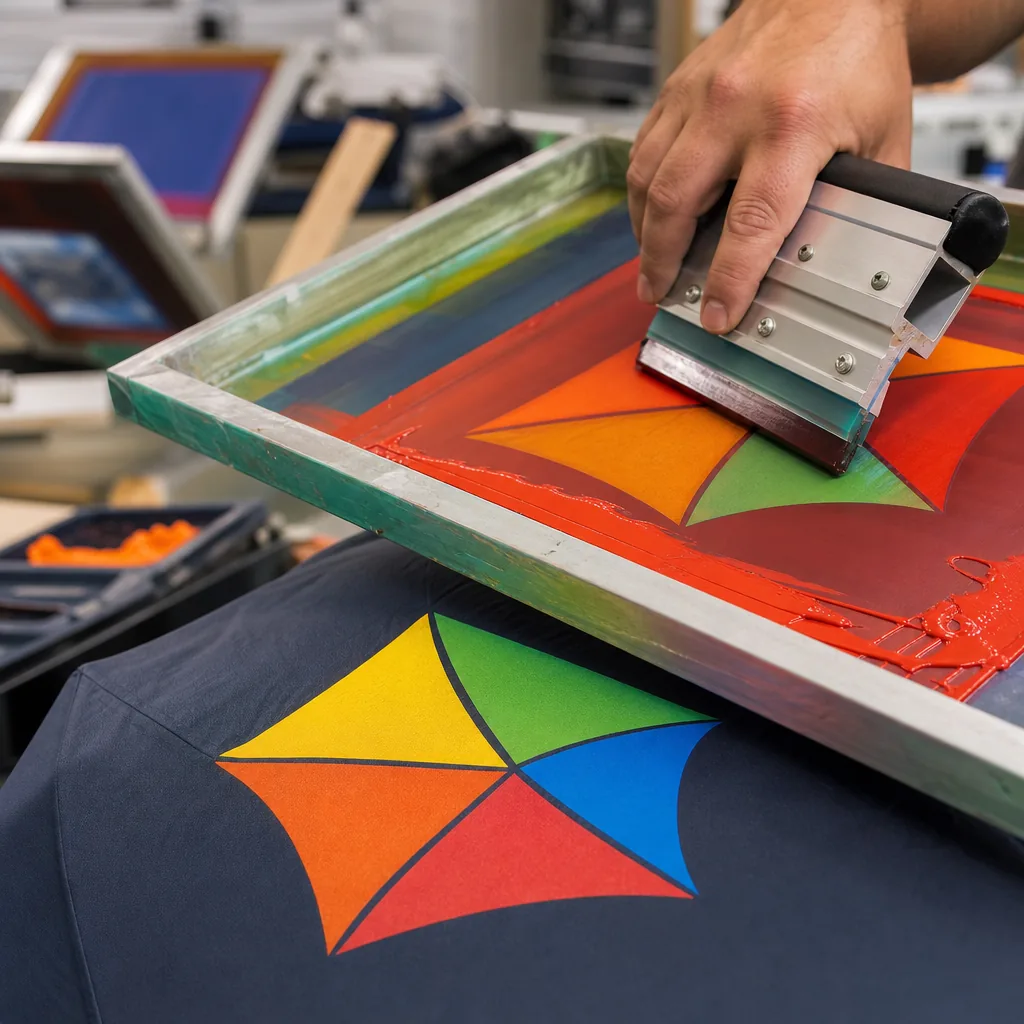
When an OEM umbrella looks fine at sampling but starts showing rib breakage, runner jams, or canopy pull-out in the market, the real cost shows up in returns, rework, and damaged retail confidence. At our Songxia factory, umbrella failure mode analysis starts on the line with frame geometry, spring force, stitch density, and opening-cycle stress, because most failures are built in long before cartons leave the warehouse.
Why Failure Mode Analysis Matters Before Mass Production
Most OEM umbrella failures can be identified before tooling freeze if the factory runs umbrella failure mode analysis at prototype stage. The repeat issues are mechanical, not cosmetic: untreated steel ribs corrode first at the notch and stretcher rivet after salt-spray exposure; fiberglass ribs splinter near the ferrule when resin ratio or curing is inconsistent; and 16K frames carry materially higher joint stress than a standard 8K because each rib, stretcher, and hinge has less tolerance for opening-geometry error. A practical FMEA for umbrellas ranks each mode by severity, occurrence, and detection, then assigns a corrective action before mass production. Typical fixes are specific: change painted steel to black electrophoretic-coated steel, move critical ribs from steel to fiberglass, add 0.1 to 0.2 mm rib wall thickness, or reduce a decorative 16K concept to 10K when the target FOB cost cannot support the frame strength required. For private-label buyers, that is a cost and risk decision. Early analysis reduces redesign after sample approval, cuts pilot-run rework, and keeps OEM umbrella development aligned with the actual durability target rather than the appearance sample.
Mechanism and canopy failures usually show up only after cycle and load testing, which is why umbrella durability testing should sit in the same gate as early FMEA. Auto-open and auto-open-close umbrellas depend on spring force, runner tolerance, latch geometry, and shaft straightness staying within spec; when one dimension drifts, the result is incomplete opening, rebound, or spring fatigue after a few hundred cycles. Risk increases quickly when a 21 inch or 23 inch folding frame is upgraded from basic steel stretchers to 50+ mph wind-resistance claims, double-canopy venting, or a heavier 210T pongee canopy with Teflon coating, because the original spring spec often no longer matches the added load. Canopy tear-out follows the same pattern. Failures start at the sewn tip pocket, top-notch reinforcement, or panel seam when 190T pongee, stitch density, seam allowance, and rib flex are mismatched. On a 27 inch golf umbrella with strong fiberglass ribs, skipped reinforcement tape can turn gust load into seam ripping. Used early, umbrella defect prevention lowers warranty claims, sorting, and line stoppages, and it protects 35 to 45 day FOB launch schedules before vessel booking.
Typical Failure Modes by Frame, Fabric, and Mechanism
Most warranty claims in OEM umbrella development start in the frame, not the canopy, so umbrella failure mode analysis should begin with the load path through the ribs, shaft, and runner. On 8K and 10K folding umbrellas, the highest-risk points are the rib notch, stretcher joint, runner slot, and top spring interface inside the shaft. Steel ribs usually fail by permanent set after about 35-45 mph gusts; fiberglass ribs recover from deflection better and are the safer specification when a vented design is expected to pass 50+ mph wind testing. The shaft and runner then become the next control points. Zinc alloy runners commonly crack at the guide channel, while low-grade ABS runners often show stress whitening before splitting; both are functional failures because they reduce open-close reliability and can create finger-safety risk. Small parts also generate claims: tips and ferrules pull off when crimp force varies or adhesive selection is weak, especially on 21 inch and 23 inch telescopic styles where opening-cycle stress is higher. In FMEA for umbrellas, treat the runner as a wear component and verify rib, tip, and ferrule retention before shipment, not just at prototype stage.
The canopy fails by seam overload, stitch damage, and vent-related stress concentration, and fabric choice changes all three. 190T pongee remains common in cost-sensitive promotional programs because it prints cleanly and helps keep FOB cost down, but its lower yarn density leaves less margin at the panel seam and tip pocket under wind load. 210T pongee carries seam tension better, wrinkles less after heat-transfer or sublimation printing, and usually holds stitches more cleanly around the rib end, especially on 27 inch golf umbrellas. Stitching defects show up first at the closing point, tip reinforcement, and center top patch when SPI is too high for the fabric or the needle size is mismatched. Double-canopy construction lowers internal pressure, but it shifts stress to the vent seam, overlay stitch line, and canopy tie points, so a weak vent layout can simply trade one failure mode for another. Mechanism choice sets the return profile: manual umbrellas usually fail from runner looseness, spring fatigue, and shaft lock wear after a few thousand cycles, while auto-open units add failure points at the main spring, latch hook, and release button. Auto-open-close designs carry the highest return risk because multiple springs, telescopic tube straightness, and button alignment all have to stay in spec. For umbrella defect prevention and umbrella durability testing, pull-test seam sections, confirm canopy alignment to the frame before packing, and combine cycle testing, salt-spray on metal parts, and wet-condition wind testing.
How Factories Score Risk and Set Engineering Priorities
In umbrella failure mode analysis, the scores are only useful when Severity, Occurrence, and Detection reflect field risk and factory data. Severity should rate the customer consequence, not the factory nuisance. A loose handle cap is a cosmetic complaint; a spring misfire on an auto-open-close shaft can drive the runner backward and create a safety hazard, so it belongs near 8-9 on a 10-point scale. Occurrence should come from defect logs, repair records, and umbrella durability testing by frame type, rib count, and size. If rib notch cracking keeps appearing on a 23-inch 8K frame with thin stamped steel ribs, Occurrence must increase even if the first article passed. Detection is the reality check on the control plan. Print misregistration on 190T pongee is usually visible during inline inspection, but weak spring temper, poor rivet flare, and hidden shaft burrs are not. Those risks need open-close cycle testing, pull-force checks, and destructive teardown because they often appear only after repeated cycling or wind load. That is the practical value of FMEA for umbrellas: rank each failure by customer impact, repeat rate, and the factory’s actual chance of catching it before shipment.
Use the scoring to decide whether the fix belongs in design, process control, or incoming inspection. High-risk failures tied to frame geometry or load path should trigger engineering changes during OEM umbrella development. Rib notch cracking from a brittle notch profile, undersized wire diameter, excessive spring force, or a vented double-canopy frame missing its target wind rating are design faults; final inspection will not solve them. The corrective action is design revision: change selected ribs from steel to fiberglass, increase section thickness, revise notch radius, or reduce spring load to protect the runner. When the design is sound and variation is the problem, focus on umbrella defect prevention through controls and incoming checks. Common examples are shaft tubes outside wall-thickness tolerance, unstable fiberglass cure, poor plating on rib joints, springs from a new supplier with inconsistent hardness, panel skew, short stitches at tip pockets, or uneven coating on 210T pongee. For those risks, tighten incoming QC, add lot-based load checks, require first-piece approval, lock sewing settings, maintain lot traceability, and inspect finished goods to AQL 2.5. Good umbrella durability testing should lower both Occurrence and Detection scores, not just sort defects after production.
Test Methods That Validate Corrective Actions
A corrective action is only valid when the revised sample survives the original failure mode in a controlled retest. In umbrella failure mode analysis, start with opening-cycle validation because runners, springs, top notches, and rib joints usually fail there first. For 21 inch and 23 inch folding umbrellas, use 3,000 to 5,000 open-close cycles on manual frames and 5,000 to 8,000 cycles on auto-open-close frames, with checks every 500 cycles for runner cracking, shaft play, spring fatigue, and loose rib joints. For 27 inch and 30 inch straight or golf styles, cycle count alone is not enough; add hinge inspection and canopy-tension checks because these frames fail more often at rib articulation than at the opening mechanism. In OEM umbrella development, test the corrected sample side by side with the last failed version on the same fixture and at the same cycle count so the improvement is attributable to the design change. When 0.45 mm steel secondary ribs are replaced with fiberglass, repeat-cycle pass rates usually improve because the rib flexes and recovers instead of taking a permanent set or snapping at the joint.
Wind and material checks need the same discipline. For FMEA for umbrellas, run wind simulation with the canopy fully locked open and step gust loads through 25, 35, 45, and 50+ mph, recording inversion recovery, rib deformation, runner slip, and failure after repeated gust events, not just a single peak. An 8K compact frame with thin steel ribs may survive one gust but fail after three inversions, while a vented double-canopy frame with fiberglass main ribs and a stronger stretcher profile usually recovers more reliably. For umbrella durability testing, compare 190T and 210T pongee with fabric tear checks, then inspect seam elongation at rib pockets, tips, and other high-load stitch lines after cycle and wind exposure. Thicker pongee and reinforced stitching will not rescue a weak frame, but they do reduce canopy tearing and seam opening. Close the loop with 24 to 48 hours of salt-spray exposure on steel shafts, springs, rivets, and connectors, then check for red rust, blistered plating, and higher opening force. After cycling plus humidity or salt exposure, pull-test canopy attachment points, including tip ties, rib-pocket stitches, and top-notch fixing points. Release the corrective action only after those samples also pass final inspection at AQL 2.5, tying umbrella defect prevention to a shipment standard buyers can audit.
What Buyers Should Request in an FMEA-Based Development Package
Request the umbrella failure mode analysis package before tooling release or bulk material purchase. For OEM umbrella development, the minimum file set is a full BOM, process flow, control plan, and PP sample approval record tied to the approved drawing and final spec sheet. The BOM must be component-level, not shorthand: list rib and stretcher materials separately, shaft diameter and wall thickness, 8K or 10K frame construction, canopy fabric such as 190T or 210T pongee, handle resin, tip material, and whether the runner is virgin nylon or mixed plastic. A generic line like "fiberglass frame" or "pongee canopy" leaves too much room for substitution. On auto-open-close styles, that gap becomes expensive fast because spring force, latch wear, and runner tolerance stack-up can make a signed sample behave differently from bulk production. A detailed BOM exposes cost and durability risk early, before purchasing locks in a weaker frame, thinner shaft, or lower-grade plastic that later drives complaints, remakes, or shipment delays.
Treat FMEA for umbrellas as a control system, not a document set. Each high-risk failure mode should connect to a measurable checkpoint in the control plan: top-notch pin pull-out force, rib-joint rivet looseness, canopy seam slippage, coating adhesion, open-close cycle count, and finished-frame wind resistance. Require PP sample approval with marked comments, pilot-run defect photos, and written acceptance criteria for both function and appearance. That should state major and minor defect definitions, allowed logo mis-registration, whether water spotting on POE or PVC panels is acceptable, and the test basis for umbrella durability testing, such as 500-1,000 open-close cycles or vented-frame performance above 50 mph, depending on the model. This is the practical side of umbrella defect prevention: the sample room, purchasing team, and QC team all work to the same limits instead of informal judgment.
Lock inspection standards before mass production starts. Put AQL 2.5, defect classifications, carton drop condition, rust tolerance, fabric shade band, print placement, and count verification in the approval package so sampling, inline QC, and pre-shipment inspection use the same standard. That reduces the late-stage arguments that usually stretch lead times when a factory passes goods internally but the buyer rejects them at shipment. For the buyer, the benefit is operational and measurable: smoother sampling, fewer remake rounds, and more stable shipment timing whether the order is 1,000 units of a 23-inch manual promotional umbrella or 5,000 units of a 27-inch auto-open retail program shipping FOB Ningbo or DDP to a U.S. warehouse. When the umbrella failure mode analysis package is complete and signed early, surprises before shipment drop sharply because the factory is no longer filling gaps with assumptions.
Frequently Asked Questions
When should a buyer ask for FMEA during an umbrella project?
Ask for it before tooling release or PP sample approval, especially for new mechanisms or large-volume programs. It is most useful when the design includes auto-open parts, double-canopy construction, or mixed materials such as fiberglass ribs with steel shafts.
Does FMEA add time to sampling?
Usually it adds a small upfront review step, but it reduces repeated sampling rounds later. For OEM orders, that often saves more time than it costs by catching failure risks before mass production starts.
At what stage should FMEA be done for a new OEM umbrella program?
Start the first FMEA at prototype review, before tooling is frozen or bulk material purchasing begins. Most buyers update it again after pilot run testing so rib deformation, runner fit, and canopy attachment issues can be scored with actual test data.
Which failure modes usually drive the highest return rates in promotional umbrellas?
For entry-level promotional models, the biggest return drivers are rib breakage, runner jamming, canopy pull-out at the tips, and handle loosening after repeated open-close cycles. These issues usually show up fastest on lightweight frames below standard wire thickness or on rushed assemblies with weak stitching and rivet control.
What sample size is practical for durability validation before mass production?
A common B2B approach is 5-10 pre-production samples per SKU for functional validation, then a pilot run check with 32-50 units for repeated opening, closing, and basic wind exposure. If the umbrella is for a retail chain or warranty-sensitive market, buyers often require additional destructive testing on the pilot lot before production approval.
Looking to Launch Your Custom Umbrella Line?
ZheBrella is a Zhejiang-based OEM/ODM umbrella manufacturer with 17 years of export experience. Free design, low MOQ from 100 pieces, windproof construction, full-color print.
Get Free Quote Now »People Also Search For
Related Articles
Umbrella Factory PFMEA: Preventing Defects Before Bulk Production
Use PFMEA in umbrella manufacturing to identify high-risk failure points early, improve process control, and cut defect ...
Read More »
Umbrella Frame Fatigue Testing: Cycle Counts and Failure Modes
See how umbrella factories measure fatigue with cycle counts, load checks, and failure mapping to reduce breaks before b...
Read More »Designing Umbrellas for Manufacturability in OEM Production
Reduce defects, tooling risk, and unit cost by designing umbrellas around proven frame specs, fabric standards, and fact...
Read More »