Umbrella Frame Assembly Process: Rivets, Stretchers, and QC
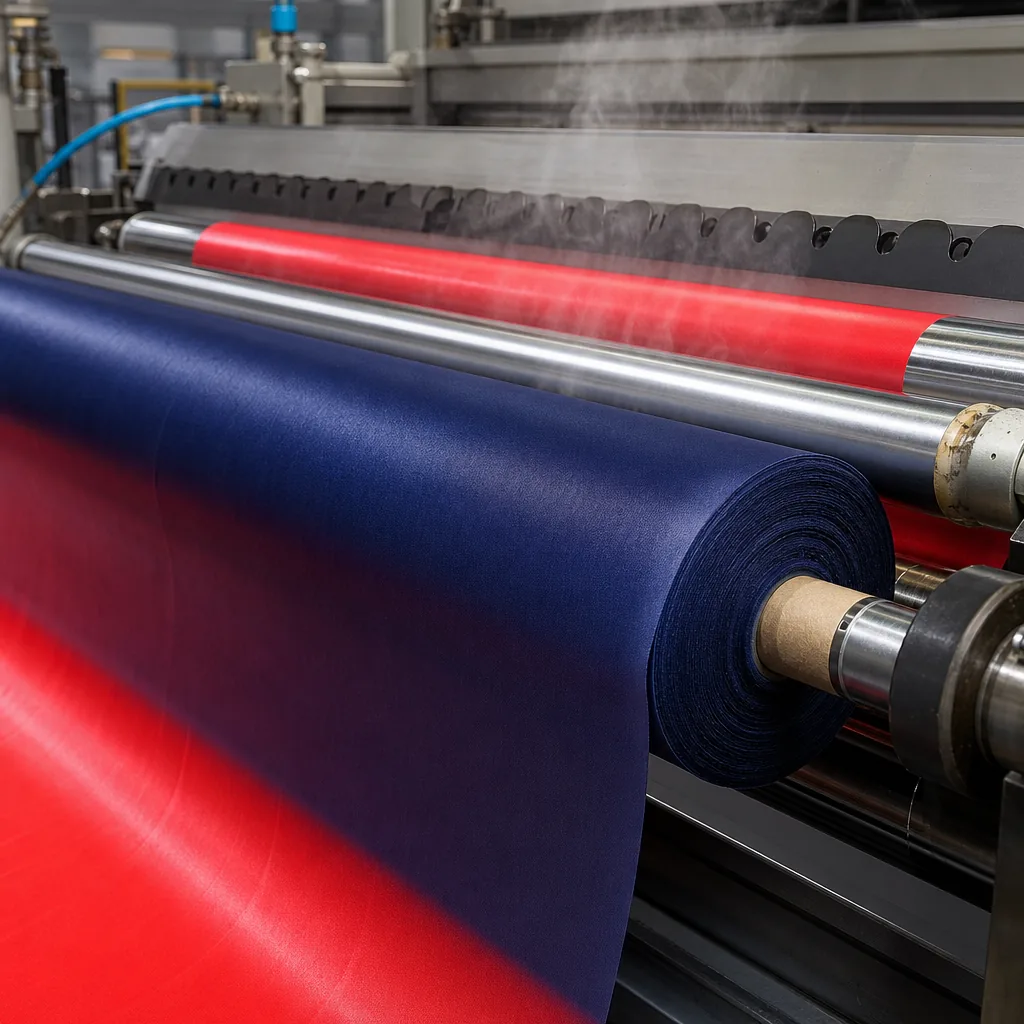
When a bulk umbrella order fails, the problem often starts in the frame: a loose rivet, uneven stretcher tension, or a runner that feels smooth in sampling but binds after plating and final assembly. On our Songxia production floor, the umbrella frame assembly process is controlled station by station—rib alignment, rivet pressure, stretcher balance, opening force, and AQL checks—because small metal parts decide whether an OEM shipment passes durability testing or comes back as a claim.
Frame Components That Drive Assembly Quality
The umbrella frame assembly process is won or lost before the first rivet is pressed, because every frame is just a chain of load-bearing parts. The shaft is the central column, usually steel for budget straight umbrellas, aluminum for lighter golf umbrellas, and sometimes fiberglass or composite for premium windproof models. The notch is fixed near the top of the shaft and anchors the ribs; the runner slides up and down the shaft and pushes the stretchers outward. Ribs form the canopy shape, while stretchers transfer force from the runner to the ribs. Tips hold the canopy edge, the ferrule caps the top, and spring parts control opening, locking, and closing. In OEM umbrella manufacturing, I prefer to confirm these parts against the approved pre-production sample, not just the BOM, because a 0.2 mm mismatch in runner bore or rivet hole position can create stiff opening, loose panels, or early joint failure.
Material choice changes both performance and assembly behavior. Steel ribs are cheap and easy to rivet, but they bend permanently after a strong gust, especially on 21 inch and 23 inch promotional umbrellas. Aluminum reduces weight, yet it needs tighter control during punching because soft holes can oval out under repeated opening cycles. Fiberglass rib assembly is slower but more forgiving in wind; fiberglass ribs flex back instead of kinking, which is why we use them on 27 inch and 30 inch golf umbrellas and double-canopy vented windproof designs rated around 50+ mph. Stretchers are commonly steel on mass-market goods, with fiberglass or mixed fiberglass-steel combinations used when the buyer wants wind resistance without moving to a fully premium frame. For rivet quality control, the key checks are rivet diameter, head compression, free rotation at the joint, and no cracked rib wall after pressing.
Rib count has a direct impact on part count, labor time, and risk. An 8K umbrella has 8 ribs and 8 stretchers, so it is the fastest and most stable choice for high-volume umbrella frame production, especially when the order is 10,000 pieces or more under a tight 25 to 35 day lead time. A 10K frame improves canopy roundness and distributes load better, but it adds 25% more rib-to-stretcher joints than 8K, which means more rivets, more hole alignment points, and more chances for uneven opening. A 16K frame looks premium and supports heavy 190T or 210T pongee canopies well, but assembly time rises sharply because every extra rib adds sewing alignment, tip fixing, and final opening inspection. Our standard practice at ZheBrella is to run AQL 2.5 final inspection with added functional checks: three open-close cycles, runner lock test, shaft straightness, and random pull tests on tips and ferrule.
Riveting and Joint Control on the Production Line
Riveting is the point in the umbrella frame assembly process where a good frame becomes reliable or a bad frame gets locked into the product. On a standard 8K or 10K straight umbrella, the rib-stretcher joint normally uses small semi-tubular rivets, commonly around 1.8 mm to 2.4 mm in shaft diameter depending on steel, aluminum, or fiberglass rib construction. The hole must match the rivet, not the other way around; too much clearance gives side play, while an undersized hole causes splitting during setting. In fiberglass rib assembly, we use lower setting pressure than steel because the material resists bending but does not forgive point stress. The rivet head should flatten evenly, with a controlled roll on the tail side, not a mushroomed lump. A correct joint can rotate freely without vertical wobble, and the stretcher should fall under its own weight when the frame is held sideways.
The most common production defects are easy to see if inspectors are trained to move the joint, not just look at it. Loose rivets create clicking, uneven canopy tension, and early failure after several hundred open-close cycles. Over-crimping is just as bad because it pinches the rib and stretcher together, making the umbrella open heavily or stop halfway on auto-open models. Burrs around punched holes cut into plastic washers, plating, or fiberglass surfaces, especially on 23 inch and 27 inch frames with higher opening force. In umbrella frame production, we check rivet height, head diameter, and joint gap using go/no-go gauges and simple rotation tests at the line, before canopy sewing hides the imbalance. Rivet quality control should also include random pull checks and cycle testing, because a joint that looks neat at 9 a.m. can loosen after 300 cycles if the rivet material is too soft.
Alignment matters more than many buyers realize. If one stretcher is set 2 mm off center or one rib joint is tight while the opposite side is loose, the finished umbrella opens asymmetrically, the canopy panels twist, and the runner wears faster against the shaft. On double-canopy vented windproof umbrellas, bad joint control also reduces wind performance because the upper and lower canopies do not load evenly during a gust. In OEM umbrella manufacturing, our standard practice is to inspect the bare frame before fabric attachment, checking crown alignment, rib arc consistency, runner travel, and synchronized opening across all ribs. For AQL 2.5 final inspection, I still recommend adding frame function checks to the normal visual defects list: no cracked fiberglass, no exposed burrs, no frozen joints, no loose rivets, and no frame that opens with a visible lean. That is where the umbrella frame assembly process proves whether the product will survive real use.
Tensioning the Frame Before Canopy Attachment
Before canopy attachment, the umbrella frame assembly process is really about proving the skeleton can move cleanly and sit in balance. Technicians open the frame to full extension and check rib arc against the spec jig, because a rib that is too flat or too aggressive will fight the canopy pattern later. They also measure runner travel, stretcher alignment, and the way the tips return after load is released. On a fiberglass rib assembly, I want the flex to be even left to right, with no twist at the joints and no rubbing at the ferrules. This is also where rivet quality control matters: if a rivet is loose, ovaled, or seated off-center, the frame will creak under tension and the canopy will show one-sided pull after sewing. In OEM umbrella manufacturing, a frame that looks fine at rest can still fail once it is cycled ten or twenty times, so we test movement, not just appearance.
Auto-open frames need more checks than manual ones because the trigger, spring, and rebound all have to synchronize. Technicians confirm that the release button fires cleanly, the shaft locks positively, and the spring returns the runner without hesitation or partial bounce-back. If the rebound is weak, the ribs may not spread evenly and the umbrella frame production line will catch a problem only after the canopy is already on, which is the expensive way to learn it. For manual frames, the focus is simpler: smooth hand-open travel, consistent resistance, and a firm stop at the top without overtravel. We also check frame balance by holding the open structure at the center point and watching for droop on one side, especially on 8K and 10K constructions where rib length and stretcher geometry can magnify small errors. That tensioning step is what makes the rest of the umbrella frame assembly process predictable instead of improvisational.
In-Line Tests for Strength and Smooth Operation
The fastest way to catch a weak frame is not in the final carton inspection; it is during the umbrella frame assembly process, right after riveting and before the canopy hides the problems. For standard 23" and 27" straight umbrellas, we run open-close cycle checks on sampled frames from each line, normally 20 to 30 cycles for promotional grades and 50 cycles or more for retail or resort programs. Auto-open and auto-open-close mechanisms are checked harder because the spring load exposes poor runner fit, loose stretchers, and rivets that were not set squarely. The runner must travel smoothly without scraping the shaft, lock firmly at the notch, and release without requiring excessive thumb pressure. On double-canopy windproof frames, especially 8K or 10K fiberglass rib assembly, we also check that the top and lower canopy frame layers do not interfere during opening.
Rib pull checks are simple but very effective in umbrella frame production. Operators pull each rib and stretcher joint by hand, then inspectors use a small tension gauge on sampled units when the buyer specifies windproof performance, such as surviving 50+ mph in a wind-tunnel claim. Fiberglass ribs should flex and return without white stress marks; steel ribs should not twist at the U-channel or deform near the rivet hole. Rivet quality control focuses on head shape, tightness, and rotation: too loose and the frame rattles, too tight and the rib binds during opening. For 16K golf umbrellas and 30" resort umbrellas, this matters because the longer lever arm magnifies every weak joint. Our standard practice at ZheBrella is to separate rivet defects into functional failures and appearance defects under AQL 2.5, because a shiny rivet can still be mechanically bad.
Tip alignment is checked before sewing because uneven tips create canopy tension problems later, especially on 190T or 210T pongee where puckering is easy to see after printing. The assembled frame is opened on a flat jig, and the tips should sit in the same circle without one rib lifting or dropping more than the buyer’s tolerance, usually 3 to 5 mm for retail orders. For OEM umbrella manufacturing with branded panels, bad alignment can distort screen printing or sublimation artwork at the seams, so we reject bent ribs before fabric attachment. Plated steel parts also get visual corrosion checks: shafts, springs, rivets, runner collars, and tips are inspected for exposed base metal, red rust, black spots, and poor nickel or zinc coverage. Resort-grade specifications often require anti-rust hardware, fiberglass ribs, and sometimes aluminum shafts, especially for coastal markets where salt air destroys cheap plated steel quickly.
What Buyers Should Put in the Frame QC Spec
The frame QC spec should lock the engineering details before fabric is cut: frame material, rib count, shaft diameter, stretcher gauge, runner type, and opening mechanism. Do not write “windproof frame” and expect the factory to guess; specify 8K, 10K, or 16K ribs, fiberglass vs steel ribs, and whether the shaft is 10 mm, 12 mm, or 14 mm aluminum, steel, or fiberglass. For a 23" straight umbrella, I normally want 8K fiberglass rib assembly with a 12 mm steel or fiberglass shaft for promotional use, while 27" and 30" golf umbrellas should move to 8K or 10K fiberglass ribs with a larger shaft and reinforced tips. In the umbrella frame assembly process, vague frame wording is where most disputes start, especially when a buyer approves a nice canopy print but ignores rib spring tension, stretcher thickness, or runner smoothness.
Rivet quality control deserves its own line in the spec, not a casual note. Define whether rivets are nickel-plated, black electrophoresis, brass-colored, or stainless, and require no burrs, no red rust, no loose rotation, and no over-crimping that locks the rib joint. A good inspector will open the umbrella and feel the hinge points, not just look at them; tight rivets cause hard opening, loose rivets cause rib wobble and early failure after several hundred cycles. For OEM umbrella manufacturing, we usually set a cycle-test target by product class: 300 open-close cycles for low-cost manual promotional umbrellas, 500 cycles for standard auto-open models, and 800 to 1,000 cycles for premium auto-open-close or vented windproof models. If the frame claims 50+ mph wind resistance, the spec should also require double-canopy venting, fiberglass ribs, and a documented inversion recovery test.
Mass umbrella frame production should not begin until the pre-production sample is approved with the exact frame, handle, spring, runner, rivet finish, and custom color parts intended for the order. This matters most on MOQ orders, because factories may need to dye plastic handles, powder-coat shafts, or source a special auto-open-close mechanism in small lots; a substitute part that looks close can change the opening force or fail AQL inspection later. Put AQL 2.5 for major defects into the purchase order, with clear definitions for loose rivets, bent ribs, cracked stretchers, failed opening, shaft shake, sharp edges, and color mismatch. ZheBrella’s standard practice is to freeze the approved pre-production sample before mass assembly, then compare inline and final inspection units against it so the umbrella frame assembly process stays measurable instead of subjective.
Frequently Asked Questions
How do fiberglass ribs affect frame assembly compared with steel ribs?
Fiberglass ribs need careful rivet pressure because over-crimping can crack the rod or restrict flex. Steel ribs are easier to rivet but need stronger corrosion control for coastal or long-storage orders.
Should frame assembly be inspected before canopy sewing?
Yes. Checking runner travel, rib symmetry, rivet tightness, and spring function before sewing prevents wasting printed 190T or 210T pongee canopies on defective frames.
What rivet checks matter most before approving a bulk umbrella frame run?
Buyers usually ask for rivet pull resistance, rotation consistency, and burr-free finishing at the runner, top notch, and stretcher joints. For production approval, many factories check first-piece samples plus inline inspections each shift to confirm smooth opening and no loose-play at the joints.
How is stretcher tension controlled so umbrellas open smoothly but do not feel loose?
The factory adjusts stretcher geometry, spring force, and rivet tightness during pilot assembly, then verifies the frame through repeated open-close cycles. For OEM orders, this is typically locked against an approved sample so the opening force and canopy shape stay consistent across the batch.
What QC standard is typically used for umbrella frame defects in export orders?
Many importers use AQL inspection with critical, major, and minor defect categories applied to opening function, broken ribs, sharp points, plating flaws, and misalignment. A common checkpoint is final random inspection after packing, with function testing and carton sampling based on the agreed AQL level in the PO.
Looking to Launch Your Custom Umbrella Line?
ZheBrella is a Zhejiang-based OEM/ODM umbrella manufacturer with 17 years of export experience. Free design, low MOQ from 100 pieces, windproof construction, full-color print.
Get Free Quote Now »People Also Search For
Related Articles
Umbrella Riveting Process Control for Stronger OEM Frames
See how controlled riveting, washer selection, and pull-force checks reduce loose joints, rib failures, and rework in bu...
Read More »
Umbrella Frame Assembly Line: Rivets, Jigs, and Tolerance Control
Learn how umbrella frames are assembled with rivets, jigs, and tolerance checks so bulk OEM orders open smoothly and pas...
Read More »
Umbrella Frame Riveting Process Controls for OEM Durability
See how rivet diameter, setting force, washer fit, and in-line pull tests prevent loose ribs, noisy frames, and AQL 2.5 ...
Read More »