Umbrella Frame Assembly Jigs for Rib Alignment Control
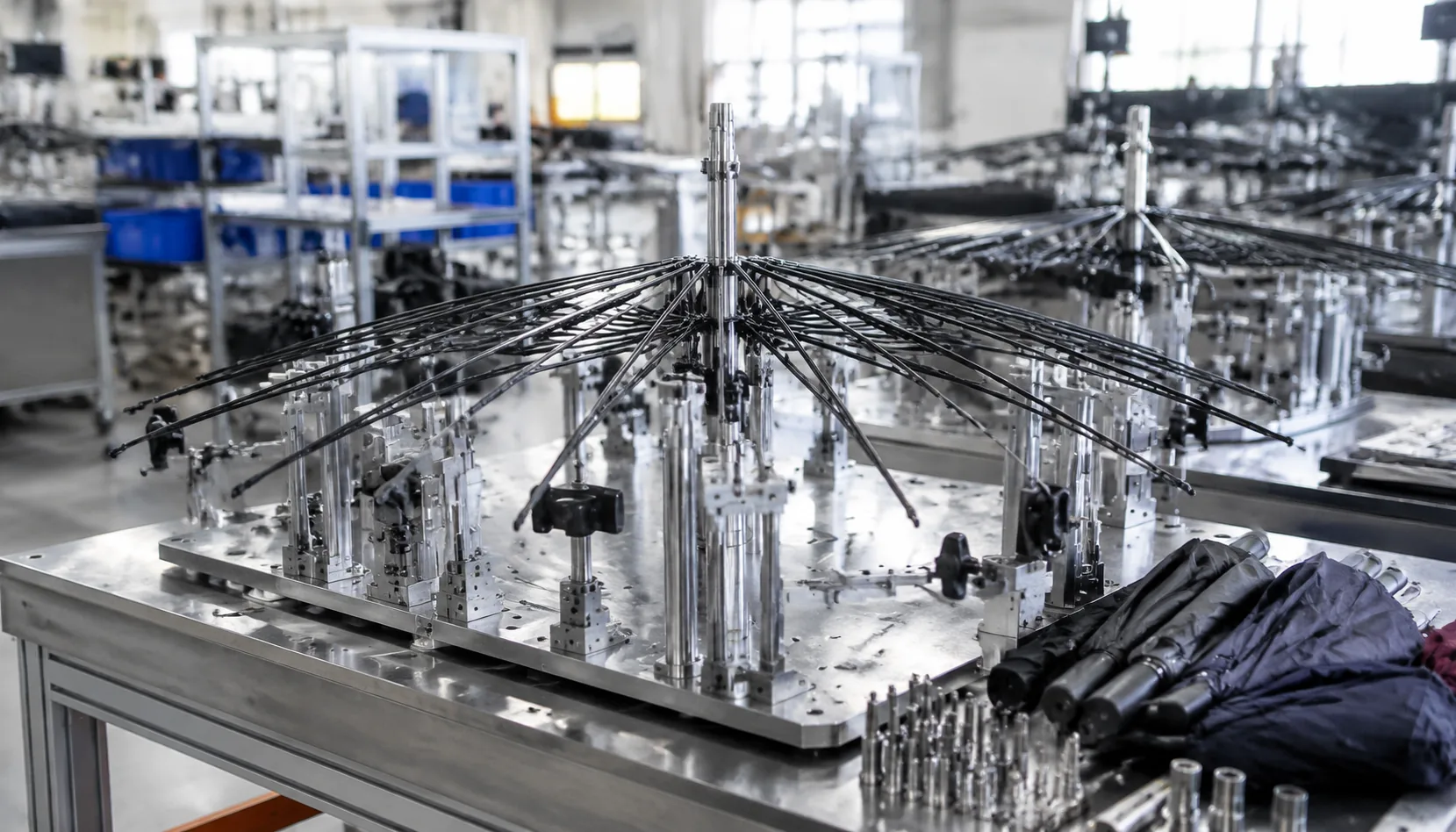
When rib spacing drifts by even a few millimeters, the problem usually does not show until canopy fitting: panels pull unevenly, tips sit off-line, and 8K, 10K, or 16K frames start failing visual checks. On our Songxia production floor, umbrella frame assembly jigs are one of the simplest controls for keeping rib angles consistent, shafts straight through riveting, and finished canopies symmetrical before defects multiply across a full order.
What Assembly Jigs Control on an Umbrella Frame
Umbrella frame assembly jigs control the geometry before any canopy hides the mistakes. A good jig fixes the shaft on center, locks the notch height, holds the runner travel path, and sets each rib and stretcher at a repeatable angle while the wire, rivet, or cap is installed. On an 8K or 10K frame, even a 1.5 mm rib-tip deviation can show as a twisted canopy edge; on 16K golf frames, the error stacks faster because there are more joints pulling against the same fabric tension. For OEM umbrella frame production, we use different locator plates for 21 inch folding ribs, 23 inch straight ribs, and 27 or 30 inch golf ribs because the stretcher length, rib arc, and runner stop position are not interchangeable. The jig is not just a holding fixture; it is the first umbrella quality control checkpoint.
Umbrella rib alignment is mainly about controlling how force moves through the frame. Steel ribs tolerate small forming variation but will telegraph uneven tension into the canopy; fiberglass umbrella ribs flex better in wind, but if the rib socket or stretcher pivot is drilled off-center, the frame opens with one panel fighting another. That is when buyers see slow auto-open action, a runner that needs extra thumb pressure, or a canopy that rocks to one side after closing. For manual, auto-open, and auto-open-close mechanisms, the jig must keep the runner concentric with the shaft so the spring load releases evenly. Our standard practice at ZheBrella is to check assembled frames against a master gauge before sewing attachment, because correcting rib spread after the 190T or 210T pongee canopy is tied on costs far more time than catching it at the frame bench.
Repeatability matters because umbrellas are judged in motion, not only on a QC table. When rib angles are consistent, the canopy panels share tension evenly, screen prints stay visually centered, and the tip-to-tip circle looks round instead of scalloped. This is especially important for promotional umbrellas with large logos, double-canopy vented windproof models rated around 50+ mph, and clear POE or PVC domes where the frame is fully visible. In AQL 2.5 inspection, we look for smooth opening, balanced dome shape, no rib crossing, no runner scraping, and consistent crown height. A frame can pass a quick strength pull but still fail commercially if the silhouette looks crooked in a retail photo or event setup. Proper jigging turns assembly from hand judgment into controlled repetition, which is the only reliable way to keep bulk orders matching the approved sample.
Rib Count and Material Variables
Rib count changes the jig before it changes the sewing line. An 8K frame gives each rib more angular space, so the main control points are hub concentricity, runner height, and equal tip radius; a 1.5 mm error at the notch may still look acceptable after canopy tension. A 10K frame is less forgiving because the gaps between ribs are tighter, and one rib sitting 2 degrees off will create a visible twist in the canopy panels. A 16K frame needs a full circular checking fixture, not just a hub fixture, because the accumulated pitch error can make the last rib fight the first one during crown assembly. In OEM umbrella frame production, I prefer indexing plates with hardened pins for 10K and 16K work, while simple adjustable stops are usually enough for basic 8K promotional umbrellas.
Material decides how much the fixture should hold and how much it should allow to move. Steel ribs are predictable: if the U-channel or round wire is straight, a rigid umbrella frame assembly jig can lock the rib angle, stretcher position, and rivet hole height with good repeatability. Fiberglass umbrella ribs behave differently because pultruded rods and flexible tips spring back after clamping, especially on 23 inch and 27 inch windproof models. If the jig over-constrains fiberglass, the frame may pass in assembly but pull the canopy off-grain after opening 20 or 30 cycles. For fiberglass, we use softer V-block supports, radius gauges at the tip arc, and go/no-go checks after release instead of measuring only while the rib is clamped. That is better umbrella rib alignment control than forcing the part into a perfect-looking fixture.
The worst tolerance risks come from mixed-material frames: steel stretchers with fiberglass ribs, plastic flexible tips, zinc-alloy notch parts, and high-tension double-canopy windproof layouts. Each material deflects differently under opening load, so a jig that is correct at rest may still produce a frame that leans under canopy tension. On 50+ mph wind-tunnel-rated models, stretcher length tolerance, rib bow, tip-hole position, and runner travel must be checked as one system, not separate parts. Our standard practice at ZheBrella is to include an opened-frame inspection at AQL 2.5, measuring tip height variation, rib pitch, and canopy pull balance before bulk packing. Good umbrella quality control catches whether the issue is a bad rib, a worn rivet die, or an umbrella frame assembly jig that has drifted after 30,000 cycles. Without that feedback loop, 16K luxury frames and windproof fiberglass frames become expensive scrap very quickly.
Shaft Straightness and Runner Travel Checks
Shaft straightness is the first check I want before any rib alignment discussion, because a bent center shaft will make good ribs look bad. On 23" and 27" stick umbrellas, we normally run the steel or aluminum shaft through a V-block straightness gauge with a dial indicator; for compact 21" auto-open-close models, we also check telescopic tube concentricity section by section. A practical tolerance is 0.8–1.2 mm total runout over the working length, tighter for retail-grade OEM umbrella frame production where the canopy has printed panels that must sit evenly. If the shaft bows toward one rib group, runner travel becomes loaded on one side, creating rubbing marks, slow opening, and uneven canopy lift even when the umbrella frame assembly jigs are holding the ribs correctly.
Runner travel distance needs a hard gauge, not an operator’s thumb feeling. We set a stop-to-stop travel check from closed position to full notch lock-up, then compare it against the frame drawing: a 23" manual frame may need about 255–275 mm of runner movement, while a 30" golf frame with 8K or 10K construction usually needs more clearance because the stretchers open at a flatter angle. The runner should slide without scraping plating, paint, or the shaft seam, and the spring button must enter the notch fully with no half-click. In umbrella quality control, incomplete lock-up is a serious defect because the canopy may open in inspection but collapse after a few cycles, especially with heavier 210T pongee or coated UPF 50+ fabric adding load.
Auto-open mechanism clearance is where many factories lose consistency after the first sample approval. The spring, lower runner, latch hook, and notch must be checked together with the actual rib set, not as loose parts on a bench. Fiberglass umbrella ribs are more forgiving in wind, but their molded tips and stretcher pivots can sit slightly thicker than steel ribs, so poor umbrella rib alignment may cause one side to lift early and the opposite side to lag. Our standard practice at ZheBrella is to cycle sample frames at least 30–50 times before canopy sewing approval, then recheck the runner path in the umbrella frame assembly jigs after riveting. Any rubbing sound, delayed lock, or asymmetric crown height is corrected before bulk cutting, because once thousands of panels are sewn, a 1 mm frame error becomes a visible canopy wrinkle across the full shipment.
In-Line QC Before Canopy Attachment
The last cheap place to catch a bad frame is before the canopy is tied on, so our inspectors treat in-line QC as a separate gate, not a casual glance. On 23" and 27" stick umbrellas, the open frame is placed into umbrella frame assembly jigs with fixed radial stops, usually set for 8K, 10K, or 16K layouts. The operator checks umbrella rib alignment by confirming equal rib spacing at the tip ends and no rib crossing under the runner. For promotional 190T pongee umbrellas, we normally allow only small visual deviation because a crooked rib will pull the logo panel off-center after sewing. Fiberglass umbrella ribs need special attention: they flex back after opening, so spacing must be checked after two or three open-close cycles, not immediately after assembly. Steel ribs show bending damage faster, while fiberglass hides twist until the frame is under canopy tension.
Rivet tightness is checked by hand feel and by side-play at the rib-to-stretcher and stretcher-to-runner joints. A loose rivet gives a clicking sound and allows the stretcher to walk sideways; an over-pressed rivet locks the joint and raises opening force. For OEM umbrella frame production, we check stretcher angle against the master frame because a few degrees too flat can reduce crown height and make the canopy look baggy, especially on 210T pongee or coated UPF 50+ fabric. Auto-open and auto-open-close frames get extra attention at the spring, runner catch, and shaft lock. A manual 21" compact may pass with a slightly heavier push, but a 30" golf umbrella with double-canopy venting must open smoothly without rib lag. Any failed locking button, broken spring, cracked runner, or non-engaging notch is treated as a critical mechanism defect and is screened 100%, not sampled.
Sampling still matters, but it should not replace common sense on safety and function. Our standard practice at ZheBrella is AQL 2.5 for normal frame defects during umbrella quality control, with lot size and inspection level agreed before mass production; the inspector pulls frames from different assembly tables, not just the top carton. Measured points include tip-to-tip diameter, runner travel, shaft straightness, rivet burrs, stretcher symmetry, and opening force consistency across the sample. For windproof frames rated around 50+ mph in a lab tunnel, the pre-canopy frame must rebound evenly after inversion testing or controlled over-flexing. Umbrella frame assembly jigs make the spacing defect visible early, but the inspector also opens frames at working speed because some faults appear only under dynamic load. Once fabric is sewn or hand-tied, correcting rib spacing or a tight rivet means cutting thread, wasting canopy panels, and delaying the line by hours instead of minutes.
Buyer Specs That Improve Frame Consistency
The fastest way to tighten frame consistency is to stop treating “standard frame” as a specification. A buyer should lock rib material first: steel ribs are cheaper and dimensionally predictable, but fiberglass umbrella ribs recover better after gust loading and need different clamping pressure in the fixture. Then define rib count and layout, such as 8K for basic straight umbrellas, 10K for heavier retail models, or 16K when the canopy needs a rounder dome and higher perceived value. Shaft diameter matters just as much: a 10 mm steel shaft on a 23 inch auto-open umbrella behaves differently from a 14 mm fiberglass shaft on a 30 inch golf umbrella. If these points are not written into the tech pack, umbrella frame assembly jigs get adjusted by operator habit instead of engineering control, and the same PO can drift between lots.
Opening type should be specified before tooling confirmation because manual, auto-open, and auto-open-close frames put different stress on the runner, notch, spring, and rib tips. For OEM umbrella frame production, I like to see the buyer state whether the product is standard single-canopy, double-canopy vented windproof, or reinforced with extra stretcher links. A 23 inch double-canopy umbrella built for 50+ mph wind-tunnel performance needs tighter umbrella rib alignment than a low-cost event umbrella that will be used twice. Buyers should also define acceptable visual deviation in plain numbers: rib tip height variation within 3 mm on a flat table, canopy panel-to-rib centering within 5 mm, no twisted ribs visible from 1 meter, and no runner wobble after 20 open-close cycles. Those numbers give umbrella quality control a measurable target instead of a subjective argument.
PP sample approval should include both the bare frame and the finished umbrella when the order has custom printing, coated fabric, or windproof construction. The bare frame check confirms shaft straightness, rib symmetry, stretcher angle, spring force, rivet setting, and whether the umbrella frame assembly jigs are holding the crown and tips correctly before fabric hides the problem. The finished umbrella check catches issues that only appear after sewing and mounting: tight 190T or 210T pongee can pull rib tips inward, POE or PVC canopy material can exaggerate uneven tension, and a Teflon or UPF 50+ coating can change fabric stiffness. Our standard practice at ZheBrella is to approve the PP sample with open, half-open, and closed views, then record the same checkpoints for in-line inspection and final AQL 2.5 inspection before FOB or DDP shipment. That prevents a beautiful sample from becoming a loose production interpretation 20 days later.
Frequently Asked Questions
Why do 16K umbrellas need tighter assembly control than 8K umbrellas?
A 16K frame has more ribs, rivets, and attachment points, so small spacing errors accumulate faster. Jigs help keep canopy tension even and prevent twisting during opening.
Can fiberglass and steel ribs use the same assembly jig?
Sometimes, but factories often adjust fixtures because fiberglass flexes differently from steel. The jig must account for rib profile, rivet position, and final canopy tension.
What tolerances do assembly jigs usually hold for umbrella rib alignment?
For OEM umbrella frame production, many factories target rib position within about ±1 to 2 mm and shaft straightness within about 1 mm over the assembled frame length. Final tolerances depend on the umbrella size, rib count, and the customer’s test standard.
Can one jig be used for both 8K and 16K umbrella frames?
Usually not without change parts. An 8K jig and a 16K jig need different rib indexing points and canopy geometry, so factories often use modular fixtures or adjustable locators to switch between SKUs.
How do jigs reduce defects in fiberglass rib assemblies?
Jigs keep rib spacing consistent during riveting, stitching, or tip installation, which lowers the risk of twisted ribs, uneven canopy tension, and failed open-close tests. That is especially useful when using fiberglass umbrella ribs, where small misalignment can create visible symmetry issues.
Looking to Launch Your Custom Umbrella Line?
ZheBrella is a Zhejiang-based OEM/ODM umbrella manufacturer with 17 years of export experience. Free design, low MOQ from 100 pieces, windproof construction, full-color print.
Get Free Quote Now »People Also Search For
Related Articles
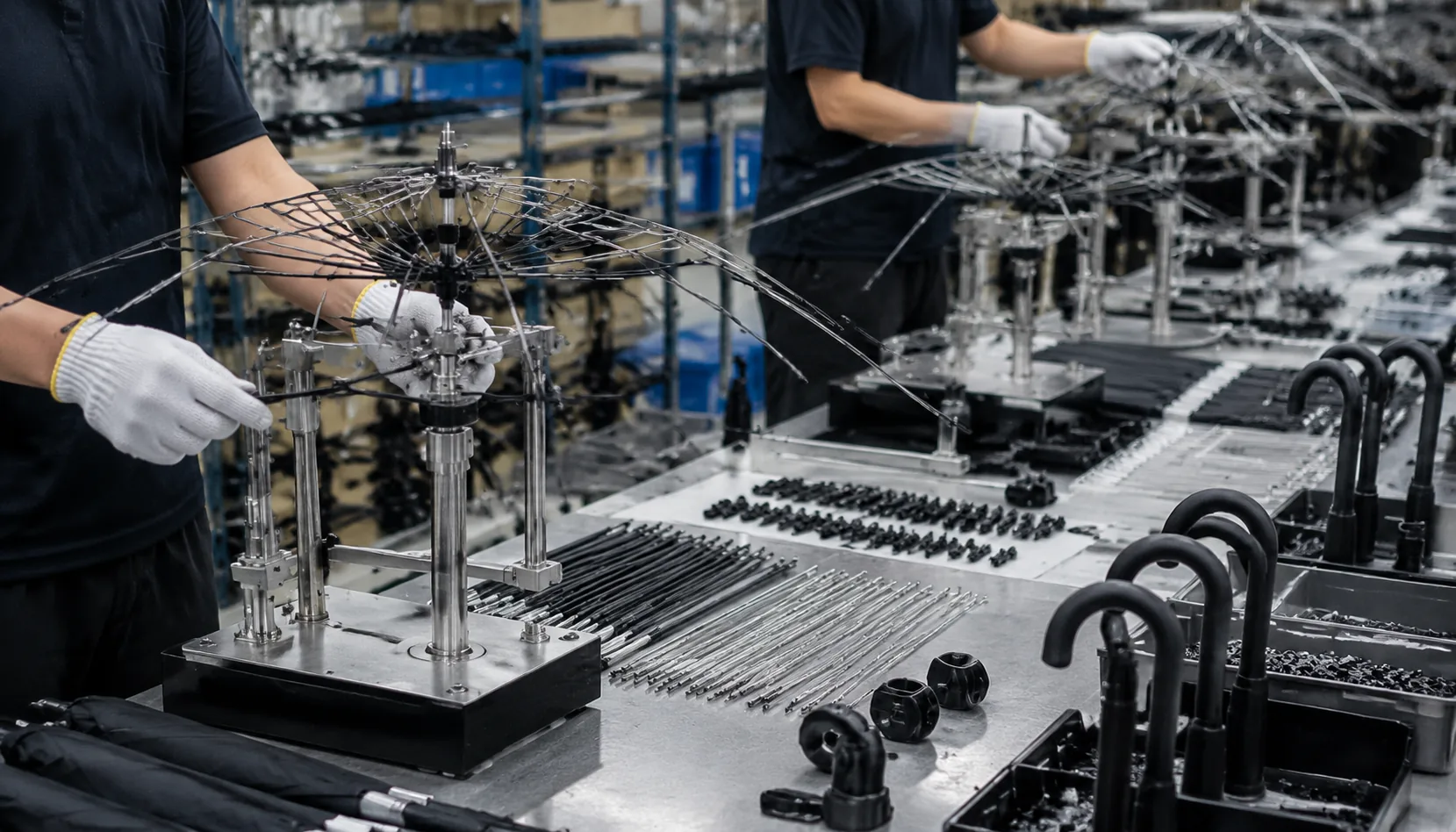
Umbrella Frame Assembly Jigs for Consistent Rib Alignment
Learn how frame assembly jigs control rib alignment, canopy tension, and opening smoothness in OEM umbrella production b...
Read More »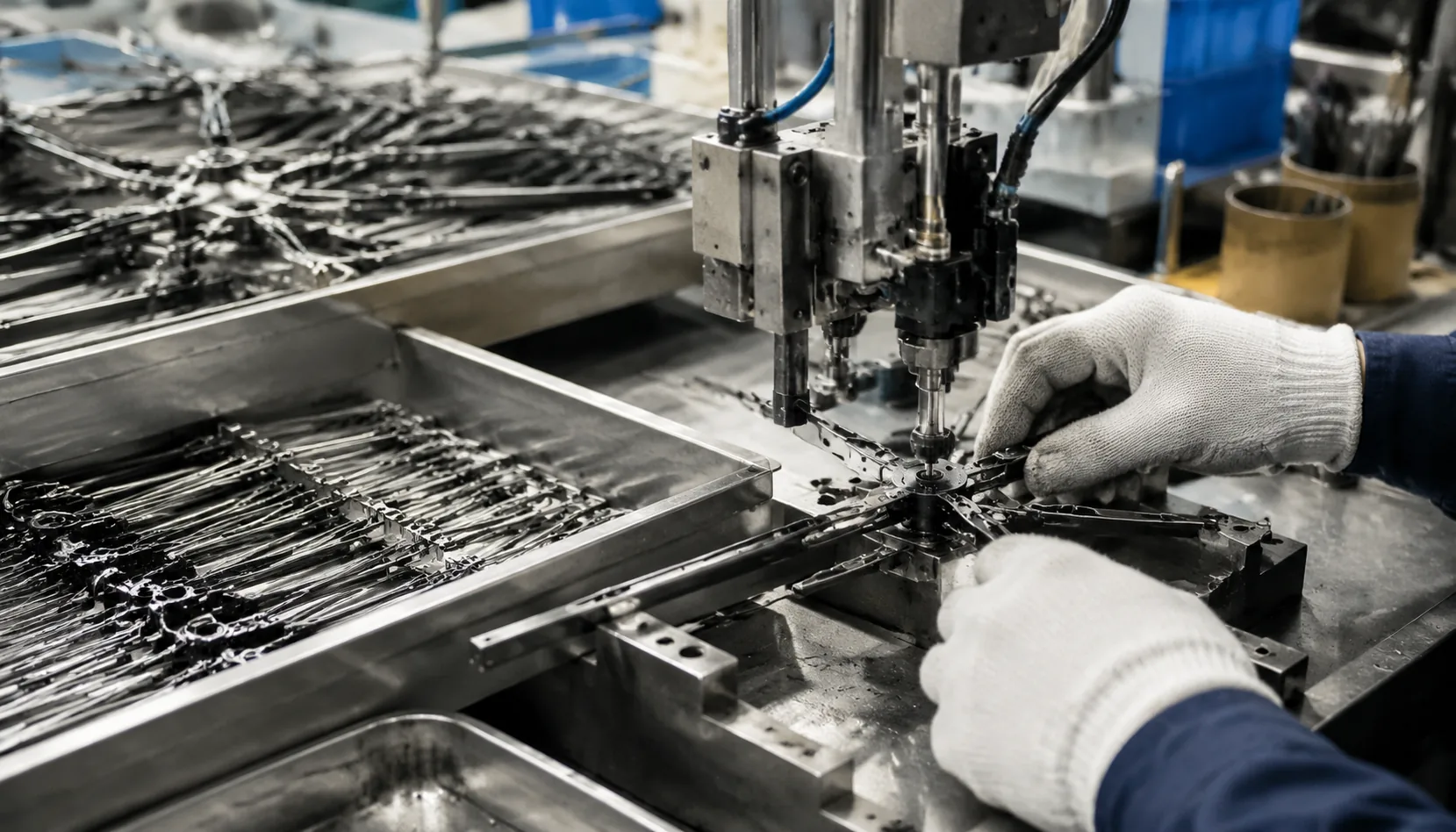
Umbrella Frame Riveting Process Control for Bulk Orders
See how rivet size, hole alignment, and pull-force checks improve umbrella frame durability across fiberglass, steel, 8K...
Read More »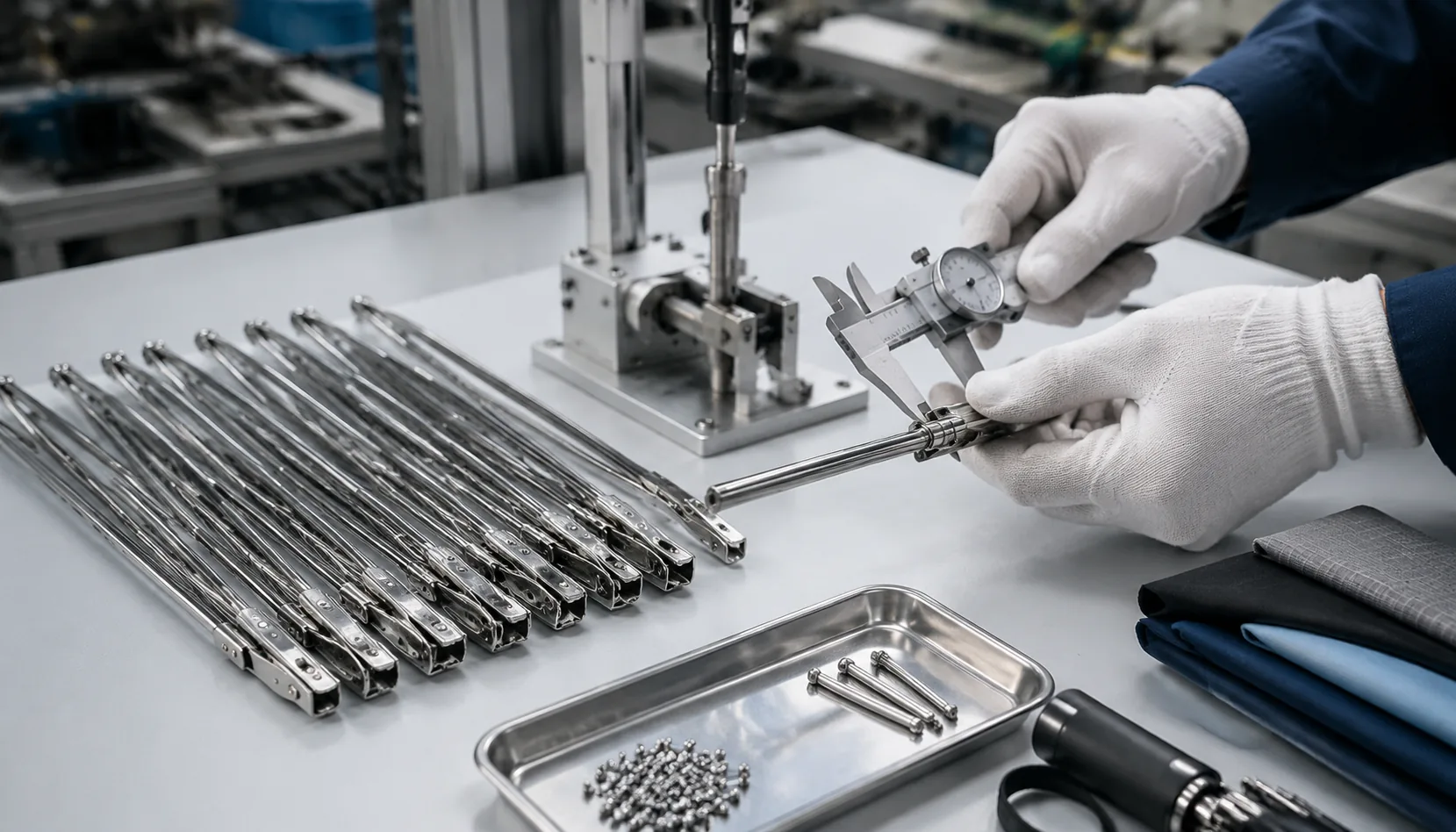
Umbrella Frame Riveting Quality: Tolerances and Pull Tests
Specify rivet fit, pull strength, and in-process checks to reduce loose ribs, canopy sag, and field failures in OEM umbr...
Read More »