Umbrella Riveting Process Control for Stronger OEM Frames
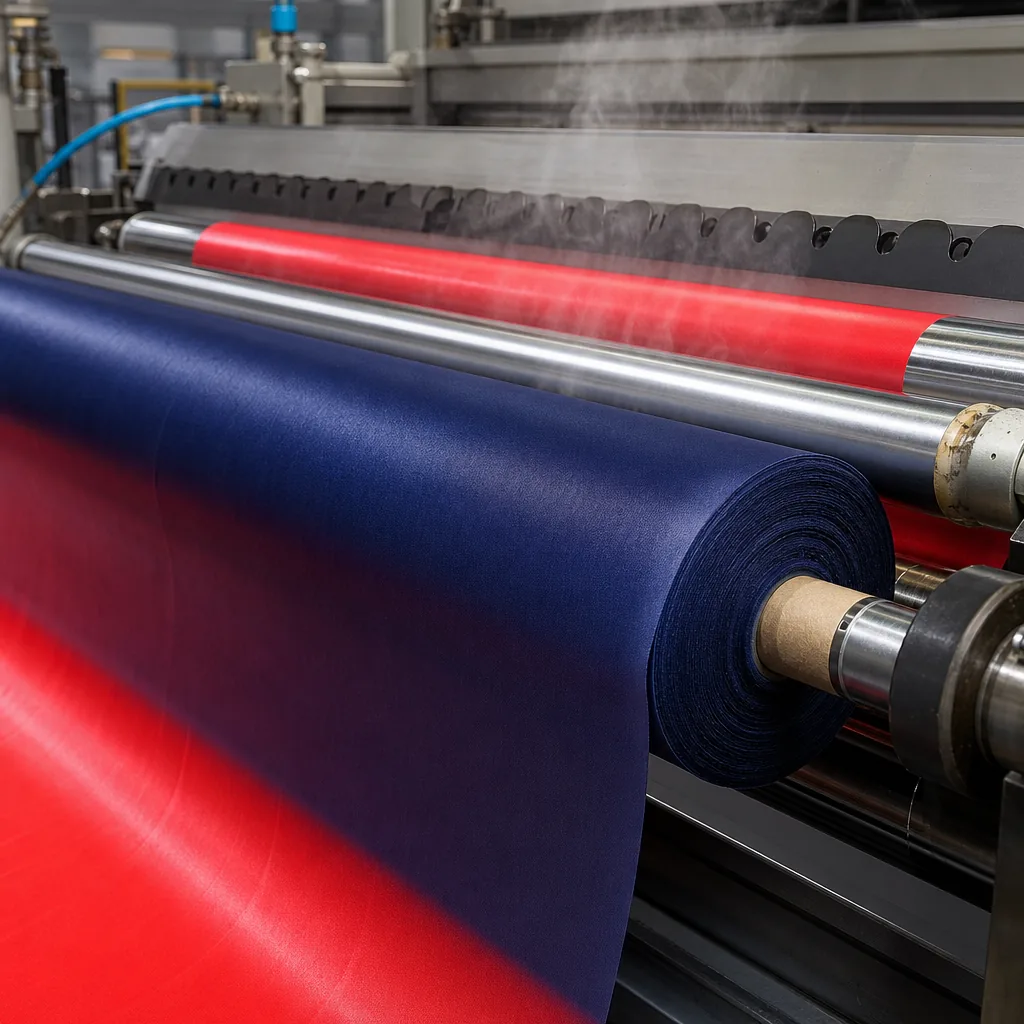
In bulk OEM umbrella production, a loose rivet is rarely a small defect—it shows up later as frame wobble, rib breakage, and costly rework. At ZheBrella’s Songxia factory in Shangyu, we see these failures at the line every day, which is why the umbrella frame riveting process has to be controlled from washer thickness to pull-force checks if buyers want frames that stay tight after repeated opening and closing.
Why Rivet Control Matters in Umbrella Frame Assembly
The umbrella frame riveting process is where a frame either behaves like a controlled mechanism or turns into a warranty problem. Ribs, stretchers, runners, notches, and tips all depend on the same thing: a rivet that holds shape without pinching the joint so hard that movement is lost. In umbrella frame assembly, the joint has to swivel smoothly under load, but it also has to keep enough clamp force that repeated opening cycles do not oval out the hole or walk the pin loose. On an 8K or 16K frame, even a small rivet inconsistency multiplies quickly across every arm, so one weak station can create a whole batch of frames with uneven deployment, skewed canopy tension, and rattling hardware.
The failures are predictable when riveting is sloppy. Loose pivots let ribs drift and create uneven canopy geometry; cracked fiberglass ribs usually trace back to an over-driven rivet, a bad hole location, or a burr that started a stress point; bent steel stretchers often show up when the joint is forced out of alignment during riveting instead of being fixtured square. In OEM umbrella manufacturing, those defects are not cosmetic. They change opening force, wind response, and the way the frame loads at the notch and runner, which is exactly where failures usually start after a few hundred cycles.
Good umbrella joint quality control is mostly about repeatability, not heroics. Hole position, rivet diameter, press force, peening height, and joint rotation need to stay within a tight window, especially in fiberglass rib umbrella production where material crush and split risk are higher than with steel. If the rivet is too tight, the rib locks up and cracks later; if it is too loose, the joint hammers itself apart under wind flex. The practical standard is simple: every joint should move cleanly, sit square in the frame, and survive cycle testing without loosening, twisting, or shifting the rib line off center.
Rivet Materials, Washers, and Joint Design Choices
In the umbrella frame riveting process, aluminum rivets are the cheapest to drive and the easiest to deform, but they are also the first choice I avoid on demanding OEM umbrella manufacturing jobs. They are fine for low-load covers or promotional umbrellas with short service life, yet they can loosen sooner under repeated opening cycles and salt-air exposure. Brass sits in the middle: better corrosion resistance than plain aluminum, decent forming behavior, and enough strength for light-to-medium umbrella frame assembly, especially when the customer wants cleaner appearance and fewer rust claims. For long-life frames, steel rivets still win on clamp force and shear strength, but only if the plating is decent; bare or badly plated steel will stain, seize, or rust through around the joint after a wet season.
Washer and bushing selection matters just as much as rivet metal. In fiberglass rib umbrella production, a soft metal rivet can still crush the rib hole if the head is pulled down too hard, so we often use a washer or a small bushing to spread load and keep the fiber strands from splitting. The same logic applies to plated steel parts: a washer prevents point contact from eating through zinc or nickel plating and reduces fretting where the joint cycles every time the umbrella opens. On auto-open frame linkages, the joint sees shock load, not just static load, so the umbrella joint quality control check should confirm hole roundness, head height, and free movement after riveting rather than just checking whether the rivet is tight.
Joint design should follow load path, not habit. A well-designed umbrella frame riveting process uses the smallest rivet that still holds clamp force, plus enough washer diameter to protect the base material without adding drag at the hinge. If the rivet is too soft, the linkage ovalizes; if it is too hard and the hole is undersized, you crack fiberglass ribs or distort stamped steel brackets during umbrella frame assembly. For OEM umbrella manufacturing, I prefer to validate the exact rivet/washers combination on the actual 8K, 10K, or 16K frame spec, because a joint that survives on a 23-inch manual umbrella may fail on a heavier auto-open model with a stronger spring and higher snap force.
Machine Settings That Affect Rivet Strength
Press force is the first thing I check when an umbrella frame riveting process starts coming loose in trial assembly. Too little force leaves joint play, ovalized holes, and a rib that can twist under load; too much force crushes the ferrule or deforms the slider ear, which is just as bad because the frame loses symmetry. In OEM umbrella manufacturing, the target is not maximum squeeze, it is consistent upset: the rivet should fill the hole cleanly without splitting the surrounding metal, and the left-right rib geometry must stay even after repeated opening cycles. On fiberglass rib umbrella production, this matters even more because the joint sees mixed loading from the fiberglass rib, steel ferrule, and canopy tension, so any offset in the press shows up fast as uneven canopy shape.
Rivet length and head diameter have to match the stack-up, not the catalog picture. If the shank is too short, the head forms thin and the joint can back out after a few hundred cycles; if it is too long, the tail mushrooms before the plates clamp, which gives a sloppy feel in umbrella frame assembly. Head diameter needs enough bearing area to stop pull-through, but not so large that it interferes with rib swing or scrapes the adjacent member. We use go/no-go checks on joint movement after riveting, then a quick visual head inspection for concentric upset, flat seating, and cracks around the crown. On a production line, that takes seconds and catches the bad settings before they spread across a lot.
Tooling alignment is the hidden problem in umbrella joint quality control because a slightly off-center die will still make a rivet, just not a good one. If the upper and lower tools are not square to the joint, the frame comes out with one side tighter than the other, which shows up as canopy tilt, uneven springback, and inconsistent opening force. The factory check is straightforward: sample pull tests on every lot, a movement check at the joint by hand, and a symmetry check with the frame fully opened against a fixture or template. For critical OEM programs, I would also record press setting, rivet spec, and failure mode by batch so the line can trace whether the issue came from force drift, tooling wear, or hole mismatch before it reaches packing.
In-Process Checks Before Canopy Sewing and Final Assembly
Before any 190T or 210T pongee canopy goes on the frame, operators should prove the skeleton moves cleanly under load. In the umbrella frame riveting process, I check rib articulation at every pivot, runner travel from full open to full close, and whether each notch seats fully without side play or grinding. If a rib binds now, it will not “break in” later; it will show up as crooked panels, uneven tension, or a canopy that snaps open with a twist. On an OEM line, that means the frame is rejected before sewing, not after printing and packing.
For umbrella frame assembly, the practical checks are simple but strict: the stretcher must fold without catching, the rib tips must land in the same plane, and the ferrule and joint rivets must hold alignment after repeated cycling. In fiberglass rib umbrella production, I pay extra attention to cracked glass fibers around the rivet hole, loose eyelets, and runner wobble, because those defects get masked once the canopy is stitched. This is also where umbrella joint quality control matters most; a bad joint may still look acceptable under a quick visual, but it will fail once the canopy tension and wind load are added.
Early IPQC saves the expensive steps. If you catch a misrivet or poor notch seating before sewing, you avoid wasting canopy panels, screen prints, heat-transfer graphics, and handle installation labor on a frame that cannot pass final inspection. In OEM umbrella manufacturing, the cost of one missed hinge defect usually multiplies after trimming, seam locking, and cap assembly, because rework often damages both fabric and finish. The best practice is to inspect every new batch at the first article stage, then recheck after riveting and before canopy attachment, so defects are stopped where they are cheapest to fix.
Buyer Specifications for Reliable Riveted Frames
For a riveted OEM frame, the tech pack has to be specific enough for a toolmaker to build from it without guessing. State the main shaft material, runner and stretcher material, rib count, size, and whether the build is a manual, auto-open, or auto-open-close mechanism. If the order is for fiberglass rib umbrella production, call out the rib profile, ferrule style, and whether the canopy will sit on a 21", 23", 27", or 30" frame; the umbrella frame riveting process changes when the load path shifts from steel-to-steel joints to fiberglass-to-metal joints, and buyers who omit that detail usually get the wrong rivet geometry.
For windproof designs, define the joint stack-up, rivet material, and corrosion requirement in plain terms: brass, stainless steel, aluminum, or plated steel, plus salt-spray hours if you need it. Add the test criteria you actually expect to pass, such as pull-out resistance, swing-cycle count, and wind performance target, because umbrella joint quality control is only meaningful when the acceptance limit is written into the PO. In OEM umbrella manufacturing, I also want the inspection standard stated up front: AQL 2.5 for final inspection, plus any critical defect list for loose pivots, cracked knuckles, burrs, or incomplete rivet heads.
If the design needs special rivets, custom dies, or a nonstandard clinching tool, say so early because that pushes lead time more than canopy printing usually does. Standard umbrella frame assembly can move in roughly 25-35 days after approval, but special riveting hardware or tooling often adds 7-15 days before mass production can start. For buyers who care about repeatability, include sample sign-off requirements, first article checkpoints, and whether the frame must survive a defined wind test before bulk release; that keeps the umbrella frame riveting process tied to measurable output instead of shop-floor interpretation.
Frequently Asked Questions
Should a buyer specify rivet material in an umbrella tech pack?
Yes, especially for coastal, resort, or long-life retail programs. Steel rivets may be stronger, while brass or aluminum can improve corrosion resistance depending on the frame design.
Can poor riveting affect auto-open umbrella performance?
Yes. Excessive joint friction can slow auto-open action, while loose pivots can cause frame wobble, uneven canopy tension, or early spring-mechanism wear.
What pull-force test is typically used to check umbrella riveted joints?
Most OEM factories use a simple pull or tensile check on sample joints from each lot to confirm the rivet, washer, and rib hole combination can hold under load. A common internal target is to verify the joint does not loosen or deform at the specified production pull force for that frame design.
How does washer selection affect umbrella frame durability?
Washer diameter and thickness help spread load across the rib or shaft hole, which reduces cracking in fiberglass ribs and elongation in metal parts. For high-volume OEM production, the washer spec should match rib material thickness and rivet head size to avoid joint wear during opening and closing cycles.
What is a practical way to reduce rework in umbrella frame riveting?
Factories usually reduce rework by controlling rivet insertion depth, checking hole alignment before pressing, and sampling finished joints for pull-force and rotation resistance. In bulk production, this is often paired with first-article approval and in-line inspection at each assembly station.
Looking to Launch Your Custom Umbrella Line?
ZheBrella is a Zhejiang-based OEM/ODM umbrella manufacturer with 17 years of export experience. Free design, low MOQ from 100 pieces, windproof construction, full-color print.
Get Free Quote Now »People Also Search For
Related Articles
Umbrella Frame Riveting Process for Strong OEM Joint Quality
Learn how rivet size, setting pressure, rib material, and inline checks prevent loose umbrella joints before final AQL i...
Read More »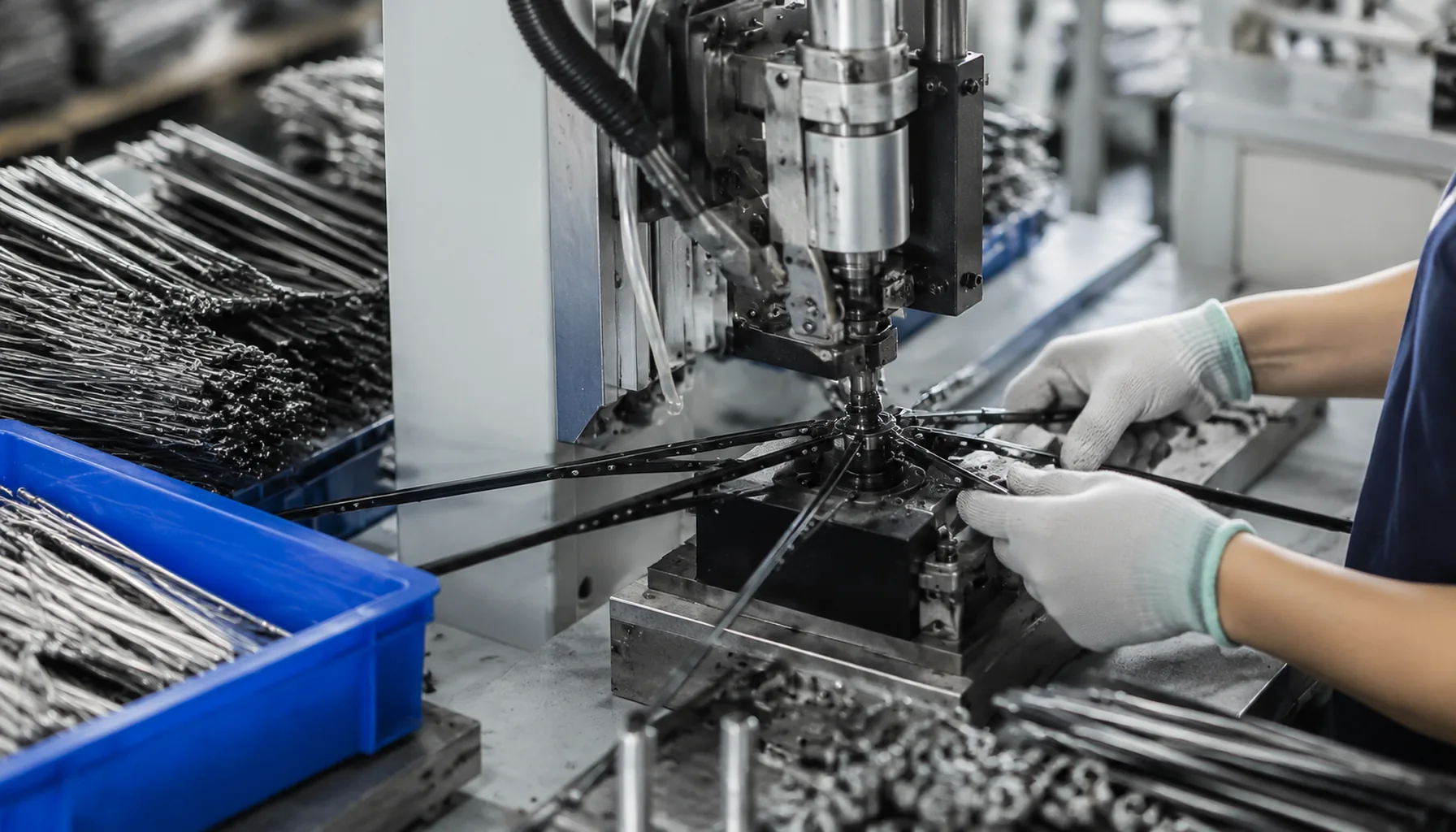
Umbrella Frame Riveting Process for Strong OEM Builds
See how rib riveting, runner assembly, and in-line pull checks improve umbrella frame strength before final canopy mount...
Read More »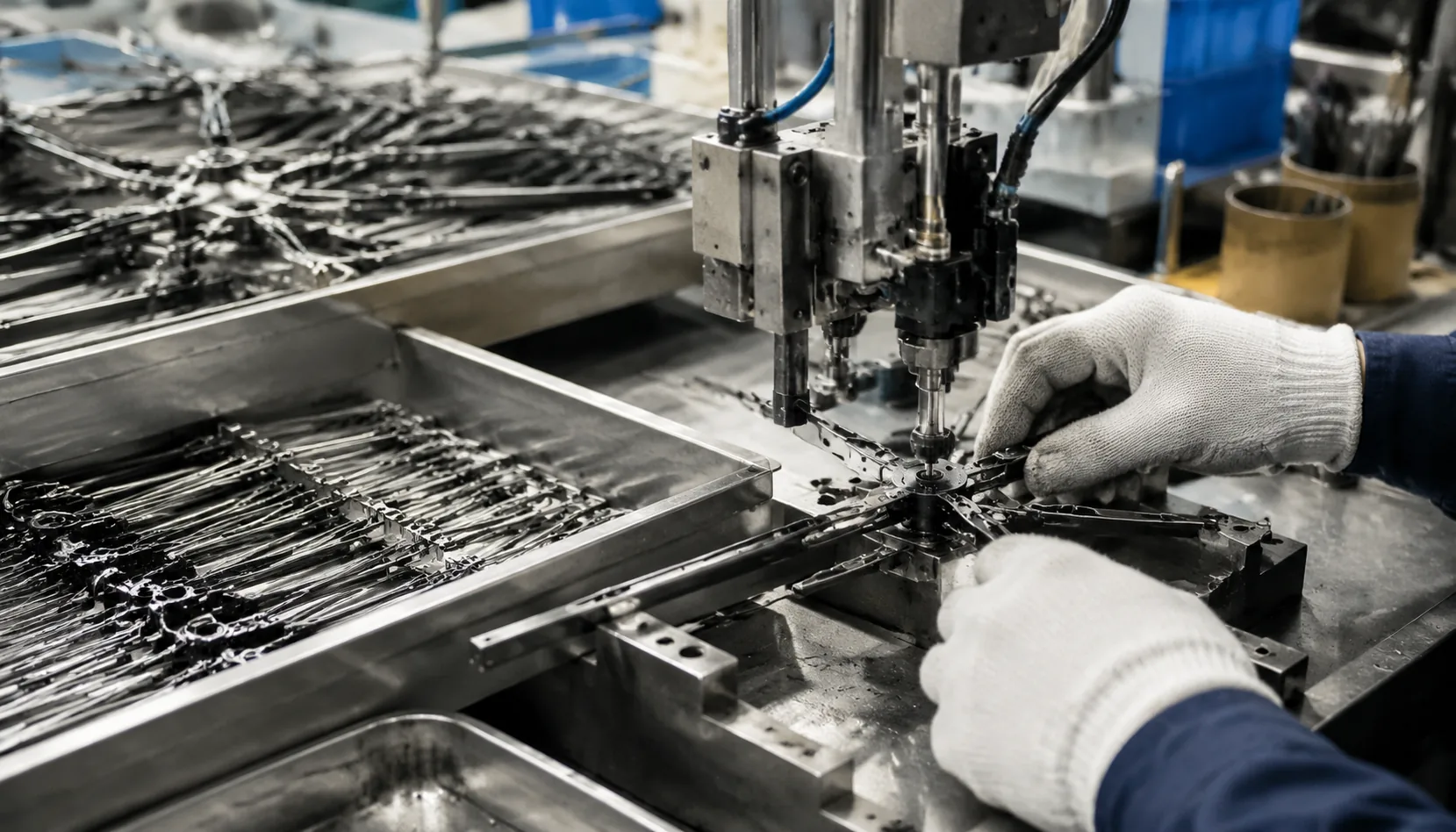
Umbrella Frame Riveting Process Control for Bulk Orders
See how rivet size, hole alignment, and pull-force checks improve umbrella frame durability across fiberglass, steel, 8K...
Read More »