Umbrella Frame Riveting Process for Strong OEM Joint Quality
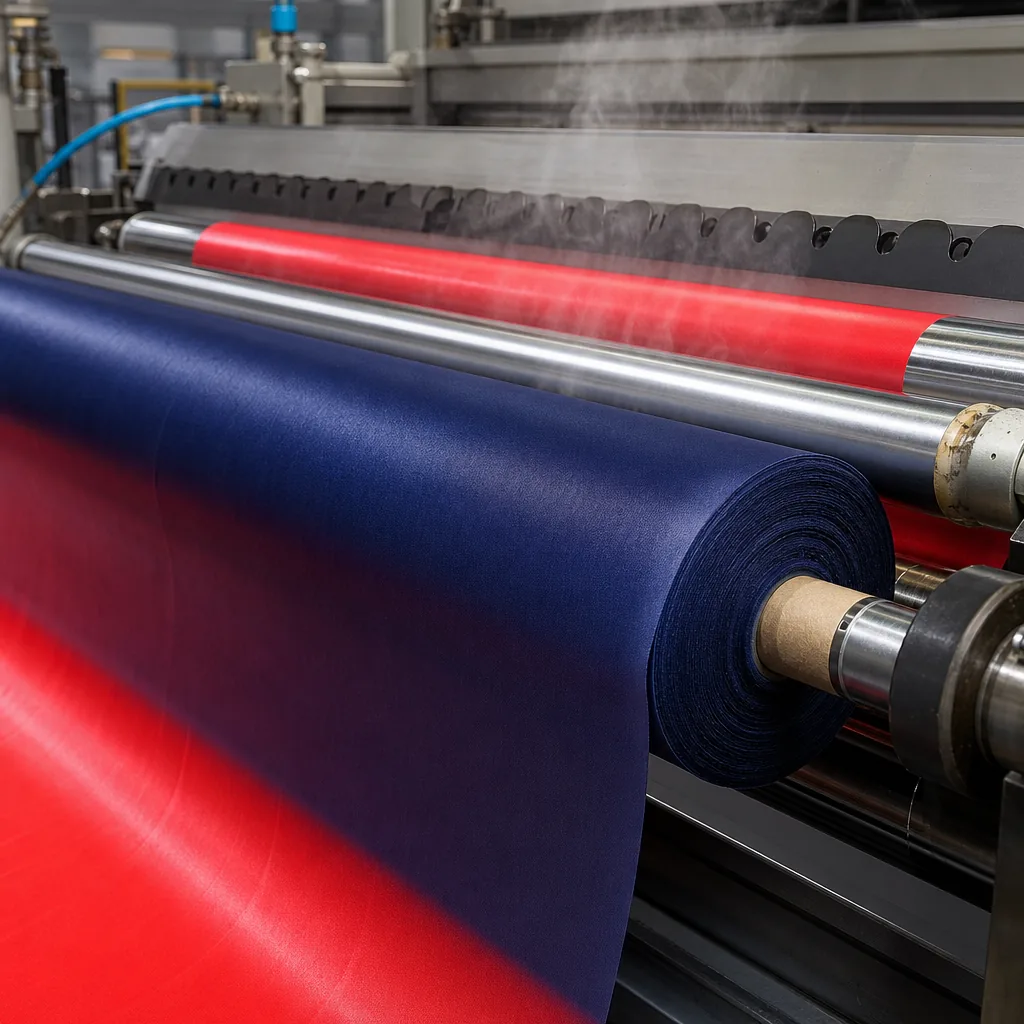
Loose rib joints usually show up late, when the canopy is already sewn and final AQL inspection has little room to fix the root cause. On our production floor in Songxia, the umbrella frame riveting process is controlled much earlier through matched rivet length, stable setting pressure, rib material checks, and quick pull-and-swing tests at the line. For OEM buyers, that control is what separates a frame that passes inspection from one that stays tight after real use.
Why Riveting Controls Frame Durability
Riveting sets the working clearance for every moving point in the frame: rib-to-stretcher pivots, stretcher-to-runner links, notch connections, and spring-loaded joints. In the umbrella frame riveting process, the rivet head must be compressed enough to hold frame geometry without locking rotation. A 23 inch 8K straight umbrella already carries multiple pivot points; 10K and 16K frames add more joints and more chances for tolerance stack-up. A punched hole offset of 0.3 mm or a rivet shank that is too short for a steel or fiberglass material stack can pull the frame out of balance during opening. That uneven load transfers into 190T or 210T pongee panels and shows up later as twisted ribs, poor closing symmetry, rattling joints, or noisy movement. For an OEM buyer, rivet control affects return rate, wind performance, packing damage risk, and whether OEM umbrella frame quality remains consistent from bulk production through FOB or DDP delivery.
Most durability complaints begin with loose pivots, not visibly broken ribs. A soft rivet head, worn die, or unstable air pressure on the riveting machine leaves side clearance between the rib and stretcher, so umbrella joint strength drops each time the runner moves. On steel ribs, that clearance can oval the hole and create permanent wobble. On fiberglass rib assembly, excessive pressure creates the opposite failure: the rivet crushes or cracks the molded rib end, especially when the insert is brittle or the hole sits too close to the edge. A 27 inch golf umbrella may pass a quick open-close check but fail in a 50+ mph wind-tunnel run if one cracked fiberglass end lets the stretcher rotate under load. The defect is cheaper to catch before canopy sewing, because finished 190T or 210T fabric hides joint access and turns a frame repair into a finished-goods rejection.
Stiff opening action usually points to over-pressed rivets, misaligned holes, or washer thickness that does not match the frame stack. Manual umbrellas need a clean runner path because the user supplies the force; auto-open and auto-open-close frames add spring impact, so each pivot must articulate without binding. Vented double-canopy windproof models also need free rotation to recover after inversion instead of holding a distorted shape. ZheBrella checks rivet pull, swing angle, and open-close cycling during umbrella production QC before final AQL 2.5 inspection. Pressure windows are separated by frame type because steel 8K promotional frames, fiberglass 10K retail frames, and 16K heavy-duty models cannot share one riveting setting. The umbrella frame riveting process protects frame alignment, opening feel, wind resistance, and buyer risk across the full OEM run.
Rivet Materials, Sizes, and Setting Pressure
Rivet material sets the corrosion and load baseline for OEM umbrella frame quality. Nickel-plated steel is the cost-efficient default for mid-price 8K and 10K frames because it gives strong shear strength, but the plating must cover the head and rolled tail evenly; thin nickel at either end is where rust starts after salt-spray exposure or wet carton storage. Stainless steel raises unit cost and accelerates tool wear, but it reduces claim risk for coastal retail programs, golf umbrellas, and exposed joints under POE, PVC, or clear EVA canopies where rust is immediately visible. Brass resists red rust and sets cleanly at lower pressure, yet its softer body limits use on high-load stretcher-to-runner joints unless the frame has a lower opening force. In the umbrella frame riveting process, the wrong rivet can pass incoming assembly checks and still loosen after 500 open-close cycles.
Factories size rivets by rib count, rib material, and joint stack height, not by one house standard. Common 21 inch and 23 inch 8K folding or stick frames usually use 1.8 to 2.2 mm rivets, adjusted for rib wall thickness and the number of parts in the joint. A 10K frame often needs a longer or slightly larger rivet at runner and notch positions because the hardware is more crowded, even though the load is shared across more ribs. On 16K straight umbrellas, oversizing creates drag; one tight rivet can make manual or auto-open operation feel rough across the full frame. ZheBrella controls shank diameter, total length, and head height with go/no-go gauges before line feeding, then separates lots for steel rib assembly and fiberglass rib assembly because fiberglass channels cannot tolerate the same crushing pressure as steel.
Setting pressure is defined by joint function. A top-notch joint needs a tighter set to reduce rib wobble, while a stretcher joint needs controlled clearance so the rib rotates without ovalizing the hole. Pneumatic and servo presses are adjusted after pull, swing, and opening-force checks; the acceptable set is a fully rolled rivet tail with no cracked head, sharp burr, or side lean. For umbrella production QC, inspectors measure head height with calipers, cycle-test sample frames, and record loose-rivet defects under AQL 2.5 before canopy sewing blocks frame access. Reliable umbrella joint strength shows in three checks: the rib rotates smoothly, the rivet does not spin in the hole, and after wind-tunnel testing above 50 mph on a double-canopy vented model, the joint deforms less than the rib or stretcher. That is the practical control target for the umbrella frame riveting process.
Process Differences for Steel and Fiberglass Ribs
Steel and fiberglass ribs need different riveting settings even on the same 23 inch or 27 inch canopy pattern. Steel ribs tolerate a tighter rivet set because the rib wall deforms before it cracks, but forming, punching, and riveting can expose bare metal by cutting through plating or black electrophoretic coating. A punched burr, scraped knuckle, or shaved rivet head becomes the first rust point in a 48-hour humidity test, salt-air exposure, rainwater use, or damp warehouse storage. In the umbrella frame riveting process, steel rib holes must be checked for clean edges before pressure is increased; the target is a firm joint that rotates freely without scraping the finish. For OEM umbrella frame quality, pull resistance alone is not enough. The joint must stay tight, swing cleanly, and remain corrosion-free after handling and wet storage.
Fiberglass rib assembly needs more precise hole placement and lower point stress because fiberglass handles bending load but can split when the fiber bundle is crushed or weakened near the edge. On narrow rib sections, the hole should stay centered, typically within +/-0.2 mm, so one side wall does not become a crack path under wind load. Rivets should be set on a flat, supported anvil with less pressure than steel, expanding just enough to remove looseness without crushing the rib or locking rotation. A sample may pass basic open-close checks and still fail after 200 to 300 flex cycles if the hole is punched too close to the edge. Reliable umbrella joint strength comes from sharp drilling or clean punching, deburring where needed, and a rivet set that holds the joint while allowing smooth movement.
Mixed frames, such as steel stretchers with fiberglass ribs or fiberglass long ribs with metal U-joints, require a separate tooling setup from all-steel promotional frames. The jig must hold both materials at the correct height; even a 0.5 mm mismatch can twist the joint and make the canopy sit unevenly on 23 inch or 27 inch umbrellas. Rivet length also changes by joint stack: too short reduces clamp area, while too long mushrooms, binds rotation, and can damage coating or fiberglass. At ZheBrella, each frame type gets first-piece inspection before bulk riveting, then umbrella production QC checks opening force, joint swing, rivet head appearance, and random pull results under AQL 2.5 sampling. This control matters most on 8K and 10K windproof models, where one tight, rusty, or cracked joint can weaken the frame before the canopy fabric fails.
Inline Checks Before Final Assembly
Run inline checks while rib sets are still bare, before canopy sewing hides the joints and makes rework slower. In the umbrella frame riveting process, first test pivot smoothness: every rib and stretcher joint must rotate through its working angle without grabbing, squeaking, or spring-back. The rivet head should keep the joint aligned without crushing the rib hole. Check lateral play by moving the rib side to side at the pivot; slight movement may be acceptable on 8K and 10K promotional frames, but visible wobble usually means an under-formed rivet tail, an enlarged hole, or incorrect die pressure. For fiberglass rib assembly, inspect the hole edge more closely than on steel ribs. Fiberglass will not cold-form around a poor rivet; drill burrs or excess riveting pressure can create crescent hairline cracks before the frame ever reaches an opening test.
Use runner travel as the next control point for OEM umbrella frame quality. The runner should move from the lower shaft stop to the upper notch in one clean push, with no rubbing at stretcher tips, rib-set twist, or second-push requirement. On manual 23 inch straight umbrellas, operators should check opening feel at each station, then use gauge checks every 200 to 300 frames and after any rivet die adjustment. Auto-open and auto-open-close frames need tighter friction control because stiff joints consume spring energy; a bare frame may pass on the bench but fail after canopy weight is added. ZheBrella’s umbrella production QC pulls 5 pieces every hour from each riveting line for full open-close cycling, runner-lock inspection, and joint symmetry review before bundles move to sewing. This sampling frequency catches pressure drift earlier than pre-shipment AQL 2.5.
Make the visual standard clear enough to separate rework from scrap. Inspectors should flag off-center rivet heads, flattened tube ends, split plastic tips, black powder from metal-on-metal pivot scraping, and any crack radiating from a rib hole. Loose rivet setting and minor burrs can usually be reworked; cracked fiberglass ribs and elongated holes should be scrapped because they directly reduce umbrella joint strength. Windproof double-canopy frames need extra attention at the stretcher-to-runner and main-rib pivots, where vented canopies load the frame unevenly in gusts. On 27 inch and 30 inch frames, a loose joint may first show as canopy flutter before any 50+ mph wind-tunnel check. AQL 2.5 confirms shipment quality, but hourly inline sampling protects cost and lead time: sorting 1,000 frames after wrong riveting pressure is slower and less reliable than stopping the line at the bench.
Buyer Specs to Add to the Tech Pack
Lock the joint spec before artwork approval, because rivet changes can alter tooling, MOQ, and PP sample timing. For the umbrella frame riveting process, state rivet material, head style, shaft diameter tolerance, and the material stack being locked: fiberglass-to-steel, fiberglass-to-fiberglass, or rib-to-stretcher hardware. Use nickel-plated steel for standard 21" and 23" promotional frames, stainless steel for coastal or retail export programs, and brass only where smoother rotation and better corrosion resistance justify the cost. For fiberglass rib assembly, define the finished joint, not only the component: lateral movement under 1.0 mm at the rib tip after assembly, no visible ovalization of the punched hole, no cracked rivet head, and no binding during manual, auto-open, or auto-open-close operation. These limits make OEM umbrella frame quality auditable and reduce the risk of a factory loosening the hole fit or switching to a softer rivet to speed a high-MOQ run.
Write opening-cycle and corrosion requirements as pass/fail criteria tied to size, rib count, and mechanism. A 23" 8K steel giveaway frame should not carry the same durability burden as a 30" 16K fiberglass golf umbrella with a vented double canopy. For normal umbrella production QC, specify 500 open-close cycles for manual models, 1,000 cycles for auto-open, and 1,500 cycles for auto-open-close when the spring and runner are custom sourced. After cycling, umbrella joint strength should show no rib detachment, runner jam, rivet head cracking, or joint play beyond the approved limit. For corrosion, require 24 to 48 hours neutral salt spray for nickel-plated rivets and 72 hours for stainless or retail export orders, especially when 190T or 210T pongee uses wet printing, Teflon coating, or UPF 50+ finishing that can hold moisture near frame joints during packing.
Name the inspection method in the tech pack because it affects cost, sampling, and shipment timing. Check riveting in-line during frame assembly, then again after canopy sewing and final opening inspection; fabric tension can reveal clicking, twisting, or runner drag that is not visible on the bare frame. Use AQL 2.5 for major defects, AQL 4.0 for minor cosmetic marks, 100% opening tests for auto mechanisms, random joint-play checks with a feeler gauge or calibrated displacement method, and pull or twist testing on retained samples. Any change to rivet material, hole diameter, rib supplier, frame size, or mechanism type normally requires a new PP sample, not only a revised drawing. Standard rivets can keep lead time around 30 to 35 days, while custom stainless hardware or reinforced riveting dies may add 7 to 15 days and raise MOQ because tooling and frame components are purchased in batches.
Frequently Asked Questions
What causes loose umbrella frame joints in bulk production?
Loose joints usually come from undersized rivets, inconsistent press pressure, misaligned rib holes, or worn riveting dies. A factory should catch this with inline pivot checks before the order reaches final AQL inspection.
Should buyers specify different rivets for coastal markets?
Yes. For resorts, cruise lines, and coastal retail, stainless steel or upgraded plated rivets reduce rust risk compared with basic steel rivets. The requirement should be stated with the frame finish and salt-spray target.
What rivet issues should buyers check before mass umbrella production?
Buyers should confirm rivet diameter, head shape, setting pressure, and hole alignment during pre-production sampling. Common defects include loose rotation, cracked fiberglass ribs, over-compressed joints, and rivets that pull out after repeated open-close testing.
How is umbrella joint strength usually checked during production?
Factories typically use inline manual swing checks, open-close cycle tests, and pull or torque checks on selected frames before canopy attachment. For OEM orders, these checks are often recorded every 1-2 hours per production line, with final results compared against the approved sample.
Can different rib materials require different riveting settings?
Yes. Fiberglass ribs usually need controlled pressure to avoid splitting, while steel or aluminum ribs can tolerate firmer riveting but still require accurate hole size and alignment. The factory should lock the rivet specification and machine setting after sample approval to keep joint quality consistent.
Looking to Launch Your Custom Umbrella Line?
ZheBrella is a Zhejiang-based OEM/ODM umbrella manufacturer with 17 years of export experience. Free design, low MOQ from 100 pieces, windproof construction, full-color print.
Get Free Quote Now »People Also Search For
Related Articles
Umbrella Frame Riveting Quality for OEM Production
Learn how rivet diameter, hole clearance, and pull tests prevent loose ribs, bent stretchers, and noisy joints in 8K and...
Read More »Umbrella Riveting Process Control for Stronger OEM Frames
See how controlled riveting, washer selection, and pull-force checks reduce loose joints, rib failures, and rework in bu...
Read More »
Umbrella Frame Riveting Process for Strong OEM Builds
See how rib riveting, runner assembly, and in-line pull checks improve umbrella frame strength before final canopy mount...
Read More »