Umbrella Panel Cutting Tolerances for OEM Canopy Fit
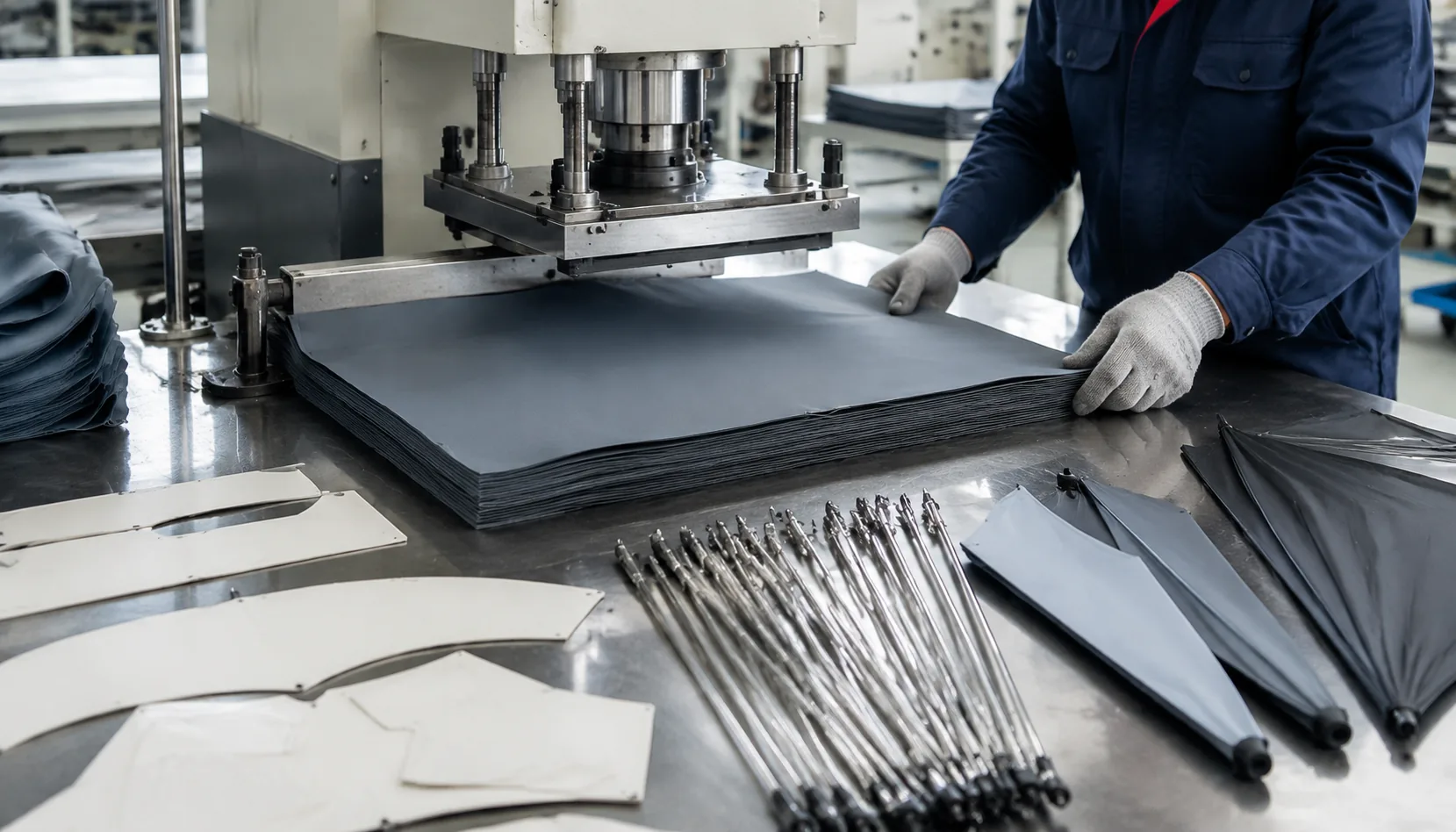
When a bulk OEM umbrella order starts showing wavy seams, twisted tips, or tight ribs after assembly, the problem often traces back to fabric cutting—not sewing. On our Songxia cutting tables, umbrella panel cutting tolerances are controlled through CAD marker balance, die pressure, fabric relaxation, and pongee lot behavior, because 190T and 210T panels can shift differently before they ever reach the canopy line.
Why Panel Tolerance Controls Canopy Performance
Panel tolerance is not a paperwork issue; it decides whether the canopy sits cleanly on the frame or fights it on every rib. In OEM umbrella manufacturing, an 8-panel 23" umbrella usually has eight identical gores, and a cutting error of just 2–3 mm on each panel can add up to a visibly loose or over-tight canopy around the perimeter. If the panel is short on the bias edge, the seam pulls diagonally and the rib tip sits off-center. If the arc is too long, the fabric bags between ribs, creating water pockets after coating or Teflon finishing. For standard 190T or 210T pongee canopy cutting, I like to see panel length and seam allowance held within ±1.5 mm for promotional-grade goods and closer to ±1.0 mm for retail-grade auto-open frames. Wider tolerance may pass a quick open-close check, but it often fails after wet testing because the fabric relaxes and exposes poor umbrella canopy fit.
The most common symptom of poor umbrella panel cutting tolerances is a canopy that looks acceptable on the table but twists after assembly. Sewing operators naturally follow the cut edge; if one panel has a longer leading edge and the next has a shorter trailing edge, the seam spirals slightly from top notch to rib tip. On an 8K steel rib frame, the error may hide because the frame has some give, but fiberglass ribs return more aggressively and show uneven tension at the tips. In bulk umbrella production, mixed panel stacks make the problem worse: if the cutting room stacks 80–120 layers of 190T pongee without vacuum hold-down or sharp dies, the top and bottom layers can vary enough to create shade-to-shade fit differences within the same carton. That is why panel templates, die wear, notch position, and fabric grain direction need inspection before sewing, not only at final AQL 2.5 inspection.
16K umbrellas, 10K golf umbrellas, and double-canopy vented windproof models need tighter control because there are more seams, more rib attachment points, and less room for accumulated error. A 30" golf umbrella with 16 panels may tolerate only ±0.8–1.0 mm on critical edges if the buyer expects a smooth dome and 50+ mph wind-tunnel performance. Double-canopy construction is even less forgiving: the upper vent layer, lower canopy, mesh gap, and binding tape must line up so air escapes evenly without lifting one side. If the lower canopy is even slightly undersized, the ribs preload too hard and auto-open mechanisms feel harsh; if oversized, the vent flutters and the umbrella loses its windproof function. Good factories control this with first-piece panel measurement, stack-height limits by fabric type, numbered cutting bundles, and trial fitting on the actual 8K, 10K, or 16K production frame before mass sewing starts. That is the practical way to protect umbrella canopy fit instead of sorting rejects after assembly.
Material Behavior: 190T vs 210T Pongee
190T pongee cuts faster but punishes loose control. The yarn density is lower than 210T, so a 23" eight-panel canopy can open up at the bias edge if the cutter stacks too high or uses a dull straight knife. In bulk umbrella production, I keep 190T stacks lower, usually 60 to 80 layers depending on coating hand feel, because compression shift shows up as uneven panel length after sewing. Fray risk is also higher at the valley where the panel is notched for rib alignment; if the notch is too deep, the seam can creep under tension after the umbrella is opened 200 to 300 cycles. For umbrella panel cutting tolerances, 190T generally needs tighter process discipline even if the fabric itself is cheaper. A pattern tolerance of ±1.5 mm may look acceptable on paper, but once eight panels are joined, that error can become a twisted canopy or a loose tip pocket.
210T pongee is more stable under the blade because the weave is denser and the fabric face is smoother, but it is not automatically easier. The higher yarn count gives cleaner edges and lower fray, which helps umbrella canopy fit on 8K and 10K frames, especially 23" and 27" auto-open models. The problem is coating sensitivity. A silver UV layer, black glue, or UPF 50+ treatment can crack, shine, or drag if the knife heat builds up during long cutting runs. For UPF 50+ coated 210T, we avoid excessive stack height and check whether the coating side should face up or down based on marker layout and blade behavior. In OEM umbrella manufacturing, this matters because a panel that measures correctly but has distorted coating tension will pull differently after sewing, especially near the cap seam and ferrule opening. Heat-transfer logos also expose poor cutting because panel mismatch makes print placement look off-center.
Before pongee canopy cutting, the fabric should relax on the cutting table, not go straight from a tight roll to the marker. I like at least 12 to 24 hours of relaxation for coated pongee, longer in winter when rolls arrive cold from storage. Both 190T and 210T can shrink back slightly after unrolling, and that movement is enough to change rib-tip tension on a finished umbrella. Roll-to-roll shade variation also has to be checked before bulk cutting; do not mix panels from different dye lots in one canopy unless the buyer accepts visible shade bands. A practical factory check is to cut small swatches from the roll head, middle, and tail, then compare under D65 light and also under warehouse fluorescent light. Our standard practice at ZheBrella is to confirm shade, coating adhesion, width, and fabric relaxation before releasing the cutting ticket, because correcting canopy fit after sewing costs far more than catching unstable fabric at the table.
CAD Markers, Layer Height, and Cutting Methods
In OEM umbrella manufacturing, panel accuracy starts in CAD, not at the cutter. A proper marker file nests left- and right-hand panels to follow the fabric grain, because pongee canopy cutting shifts if you ignore warp and weft direction. On 190T and 210T pongee, we usually keep the panel length aligned to the machine direction so stretch stays predictable, then lock the seam allowance and notch points in the marker. That is where umbrella panel cutting tolerances get controlled: the panel edge may be held to within ±1.5 mm on small folders and around ±2.0 mm on large 27" or 30" canopies, depending on fabric shrink and coating. ZheBrella’s standard practice is to approve a physical layout sample before bulk cutting, because a clean marker on screen can still drift once the roll is under tension.
Layer height matters more than people expect in bulk umbrella production. If the stack is too high, the bottom plies compress and the blade starts wandering, which hurts umbrella canopy fit at the seam and apex. Die cutting is fast and consistent for repeated shapes, but it only makes sense when the order is stable and the panel geometry is fixed; once the artwork or size changes often, CNC knife cutting gives better flexibility and lower setup waste. For straight polyester or pongee panels, many factories limit stack height to 25–40 mm on CNC cutting, then reduce it further for coated or slippery fabric. Waste is usually 4%–8% on standard 8K or 10K panels, and tighter nesting can bring that down by 1–2 points if the print repeat and grain direction cooperate.
The part that creates the most avoidable scrap is not the cut itself but panel sorting. Every bundle should be separated by size, canopy color, and printed orientation before it leaves cutting, because a rotated logo panel can ruin an entire run even when the dimensions are correct. Good shops mark panel sets with barcode labels, edge stickers, or thread tags, and they keep one colorway on one table so 23" navy, 27" black, and sublimated promotional panels never mix. We also check the first ten sets against the tech pack to confirm panel count, vent placement, and panel order around the canopy, since a single swapped panel breaks symmetry. That discipline is what keeps umbrella panel cutting tolerances useful in real production instead of just on paper.
In-Line Checks Before Sewing and Frame Assembly
The first control point in umbrella panel cutting tolerances is the panel itself: measure length, hem width, centerline, and notch positions before any sewing starts. On pongee canopy cutting, I expect the cutter to check each bundle against the marker, not just the first piece, because drift on a spreading table turns into a mismatched crown later. In OEM umbrella manufacturing, a normal tolerance window is tight enough to keep adjacent panels identical, but still realistic for fabric stretch and blade wear. ZheBrella’s standard practice is to separate cutting checks from final inspection, so panel size, notch alignment, and seam allowance are verified at the cutting station rather than after assembly.
For printed canopies, the real failure is not a torn seam; it is print registration that lands off-center after stitching. That means the cut line must respect artwork margins, panel direction, and any overlap needed at the seam so logos do not jump when the fabric is pulled over the frame. We also trial-fit sample panels on both fiberglass and steel ribs before releasing a lot, because a canopy that looks fine flat can still pucker on a stiffer rib set or on an auto-open frame with higher tension. During bulk umbrella production, we check that the panel edge follows the rib arc without forcing the fabric, since a bad fit here shows up later as twisted tips, loose vents, or uneven tension across the crown.
These umbrella panel cutting tolerances are process controls, not a substitute for final inspection. I want the cutter, sewing line, and frame assembly team all reading the same sample board so a notch shift or seam allowance change is caught immediately, not after hundreds of units are built. Final inspection can still run at AQL 2.5, but that should be the last gate for workmanship, color, and function; cutting checks are there to keep the lot stable before sewing amplifies the error. In practical terms, if the panels pass measurement, print alignment, and rib trial fit, the assembly team is far less likely to fight canopy skew, seam waves, or tip pull-out during closing and opening cycles.
Buyer Specs That Reduce Rework and Delays
The fastest way to reduce canopy rework is to put numeric umbrella panel cutting tolerances in the tech pack, not just a finished umbrella photo. For a normal 23" straight umbrella using 190T pongee, I like to see panel side length tolerance held around ±2 mm after cutting and ±3 mm after sewing; for larger 27" or 30" golf umbrellas, ±3 mm is more realistic because the panel span is longer and fabric relaxation is greater. Define the fabric exactly: 190T or 210T pongee, recycled pongee, POE, PVC, or EVA all behave differently under layered cutting and heat-transfer printing. Pongee canopy cutting is stable when the fabric roll is relaxed before spreading, while PVC and POE can creep if stacked too high. Also specify finished arc diameter, rib length, rib count, and frame type: an 8K steel frame and a 16K fiberglass windproof frame do not pull the canopy into the same shape, even if the nominal umbrella size is identical.
Procurement teams should lock the umbrella canopy fit around the frame, not around the artwork file. The tech pack should state 8K, 10K, or 16K rib count; rib material such as steel, fiberglass, or aluminum; shaft diameter; manual, auto-open, or auto-open-close mechanism; and whether the canopy is single-layer or double-canopy vented windproof. Logo placement needs coordinates from seam lines and panel tips, not only “centered on panel.” For screen printing, allow seam clearance of at least 15–20 mm; for heat transfer or sublimation, confirm whether the artwork crosses panel grain or sits near a curved edge. In OEM umbrella manufacturing, a good pre-production sample approval includes open diameter, tip-to-tip symmetry, seam tension, logo registration, closure strap alignment, and a basic water-spray check. If a buyer approves only color and logo, the factory may still ship umbrellas that technically match the visual sample but fit poorly on the ribs.
MOQ and lead time change when tolerances are tight, so buyers should state priorities before bulk umbrella production starts. If the order requires ±1.5 mm panel control, UPF 50+ coating, Teflon water repellency, and four-color logo registration on every panel, the factory may need slower cutting spreads, extra inline checks, and more rejected panels; that can push MOQ upward because setup loss becomes a larger percentage of the run. Our standard practice at ZheBrella is to confirm the tolerance sheet before PP sample cutting, then inspect bulk goods under AQL 2.5 for critical fit issues such as short panels, twisted seams, loose tips, and uneven canopy tension. Build in a lead-time buffer: 7–10 days for sampling and revision, 25–35 days for normal production after deposit and artwork approval, and extra time for FOB booking or DDP delivery during peak rainy-season demand. That buffer is cheaper than air freight after a failed final inspection.
Frequently Asked Questions
What panel tolerance should buyers specify for custom umbrellas?
For most 8K straight umbrellas, buyers commonly specify tight millimeter-level tolerances per panel and verify finished arc diameter on a frame. Double-canopy, 16K, or high-tension windproof builds should use stricter trial-fit checks before mass cutting.
Does 210T pongee require a different cutting process than 190T?
Usually the process is similar, but 210T pongee is denser and can hold a cleaner edge if knives are sharp and layer height is controlled. Coated UPF 50+ or DWR fabrics also need coating-side handling rules to avoid scratches.
What cutting tolerance is acceptable for pongee umbrella canopy panels in bulk orders?
For 190T and 210T pongee, many OEM factories target panel cutting variation within about ±1 to ±2 mm, depending on canopy size and frame structure. Tighter tolerances are usually required for automatic umbrellas and printed logo alignment.
Does CAD marker layout reduce fabric waste in umbrella canopy production?
Yes. CAD markers can improve fabric utilization by nesting panel shapes consistently across fabric rolls, often reducing waste compared with manual layout. They also help keep grain direction and panel symmetry consistent across bulk production.
When should a buyer choose die cutting instead of manual cutting for umbrella panels?
Die cutting is preferred for larger OEM runs where repeatability matters, typically starting from several thousand pieces per design. It improves panel consistency, seam matching, and canopy tension, but may require mold or setup costs.
Looking to Launch Your Custom Umbrella Line?
ZheBrella is a Zhejiang-based OEM/ODM umbrella manufacturer with 17 years of export experience. Free design, low MOQ from 100 pieces, windproof construction, full-color print.
Get Free Quote Now »People Also Search For
Related Articles
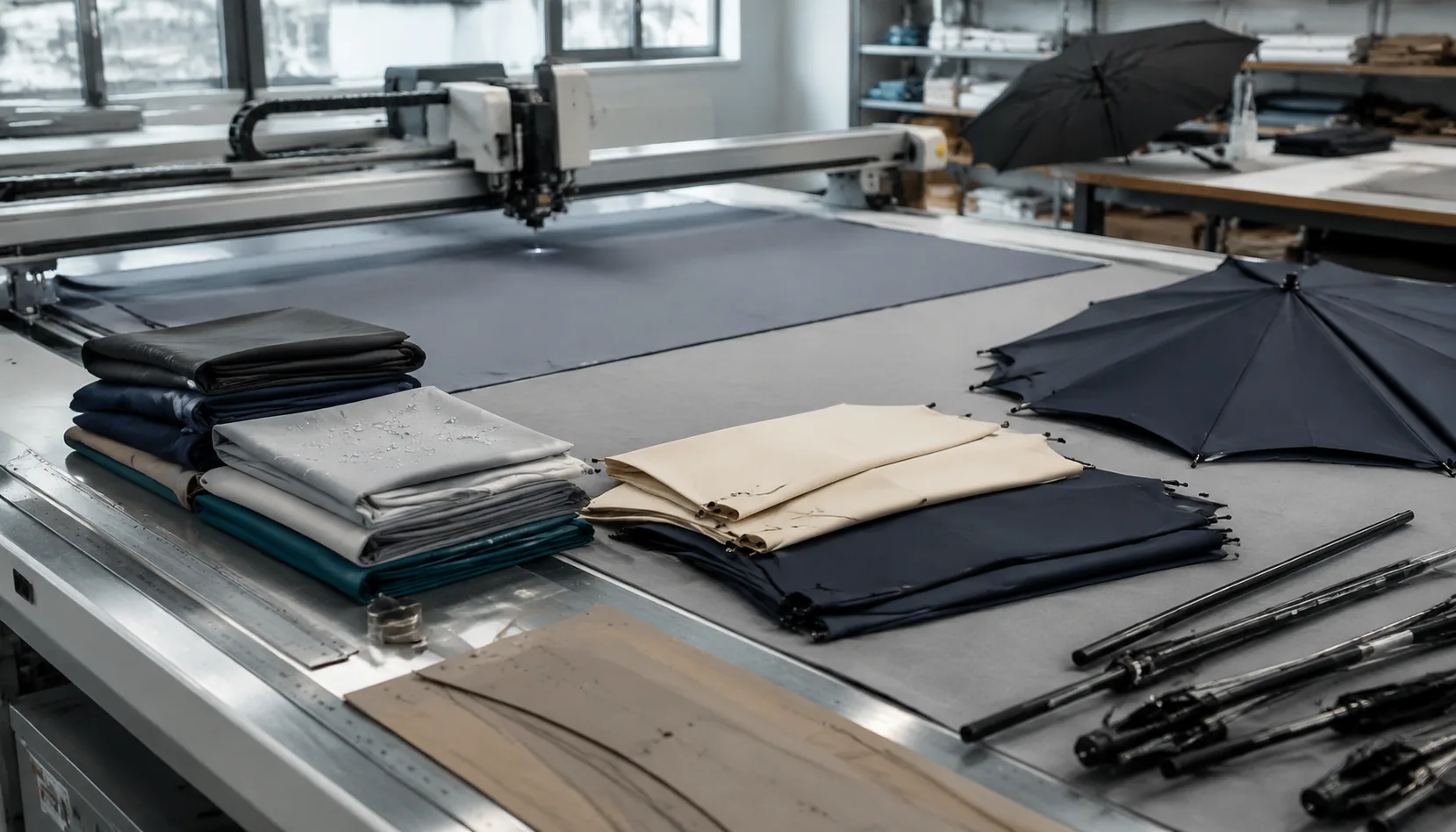
Canopy Panel Cutting Tolerances for Custom Umbrellas
Learn how panel cutting tolerances, fabric direction, and batch control improve canopy fit, seam alignment, and print pl...
Read More »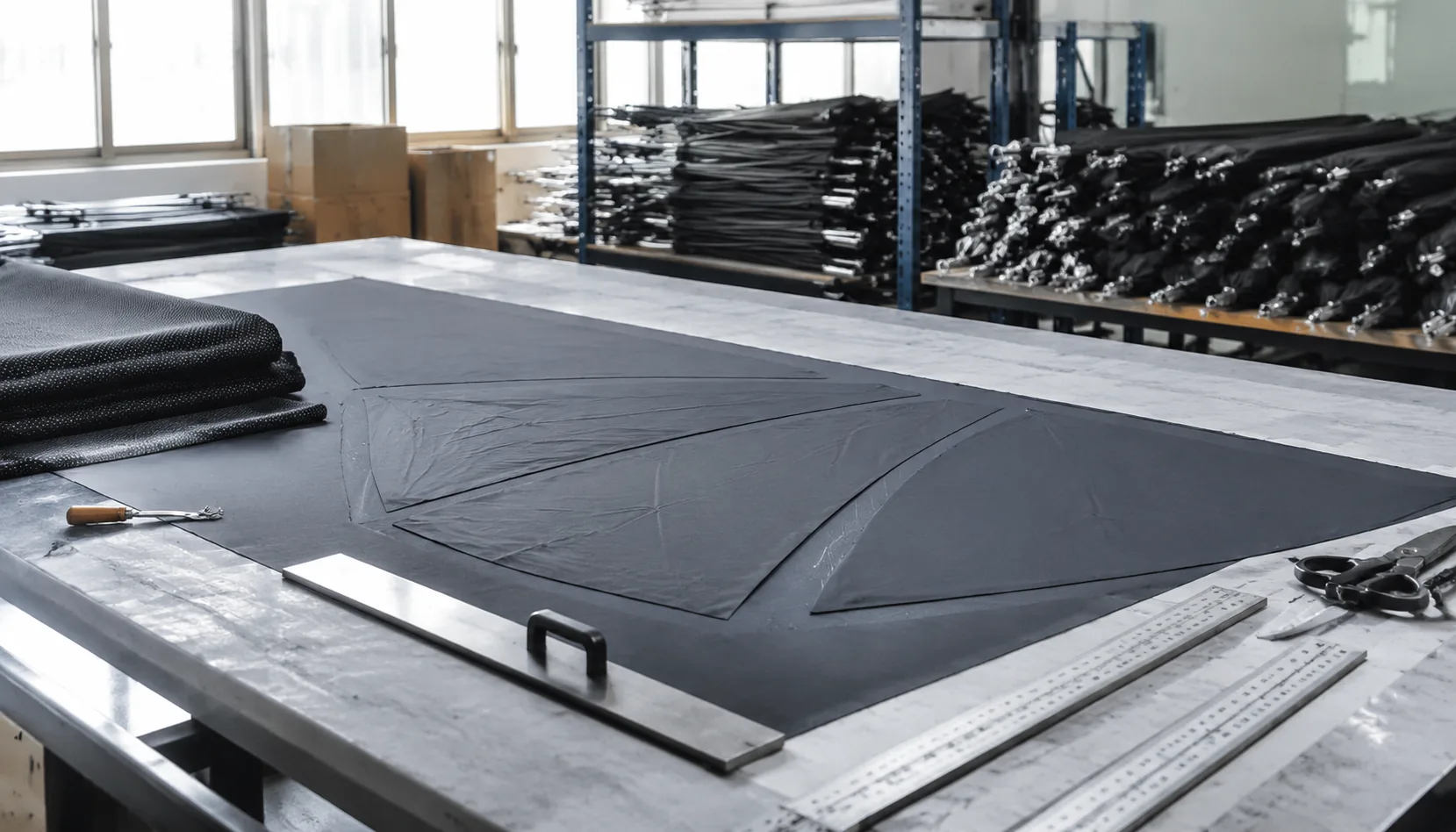
Umbrella Canopy Cutting Tolerances for Accurate Panel Fit
Set canopy cutting tolerances for 190T/210T pongee panels, print alignment, seam allowance, and frame fit to reduce wrin...
Read More »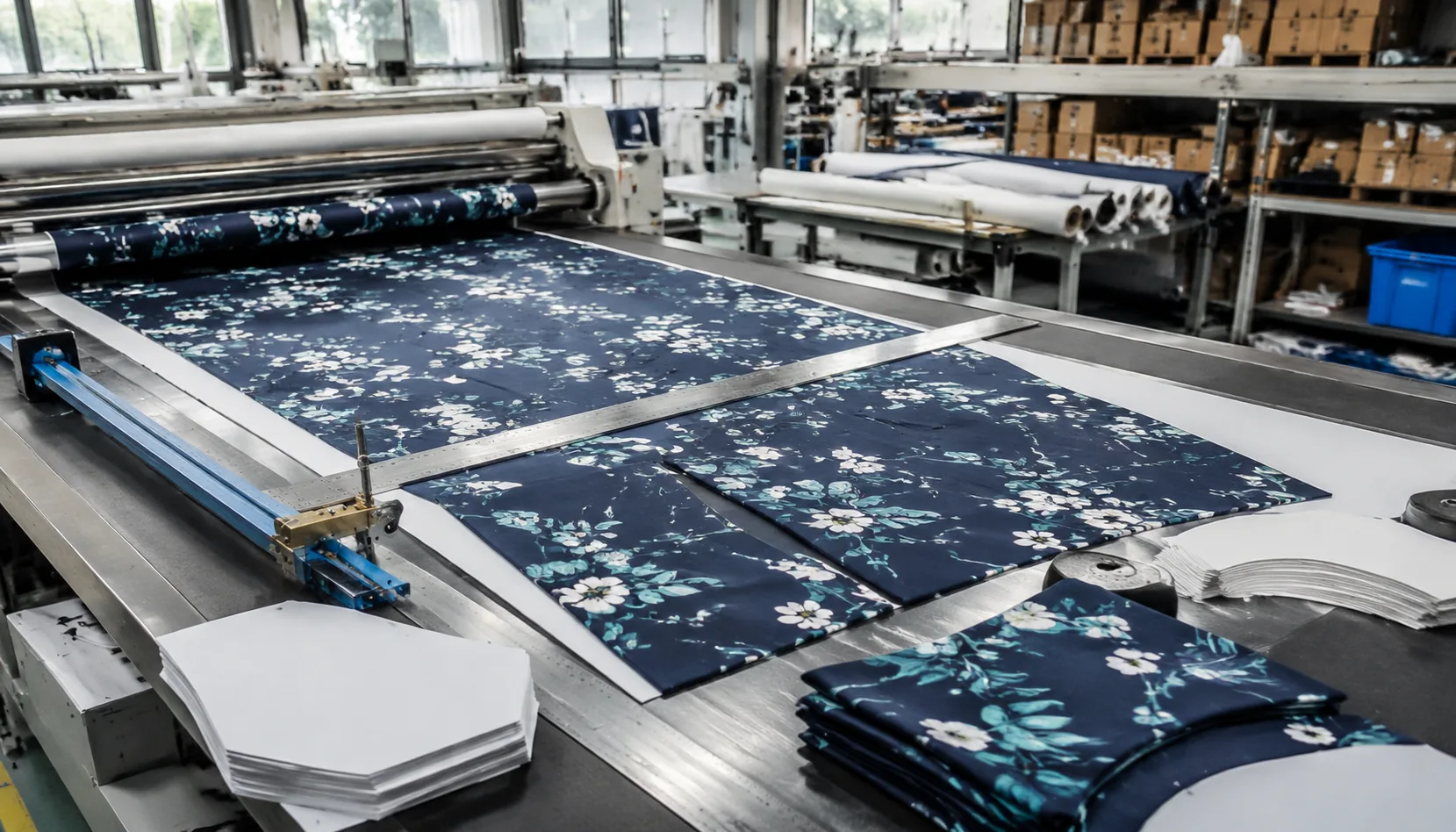
Umbrella Canopy Cutting Tolerances for OEM Production
Learn canopy cutting tolerances, panel grain control, and sewing allowances that keep 190T/210T pongee umbrellas fitting...
Read More »