Retail Umbrella Assortment Guide for Private Label Buyers
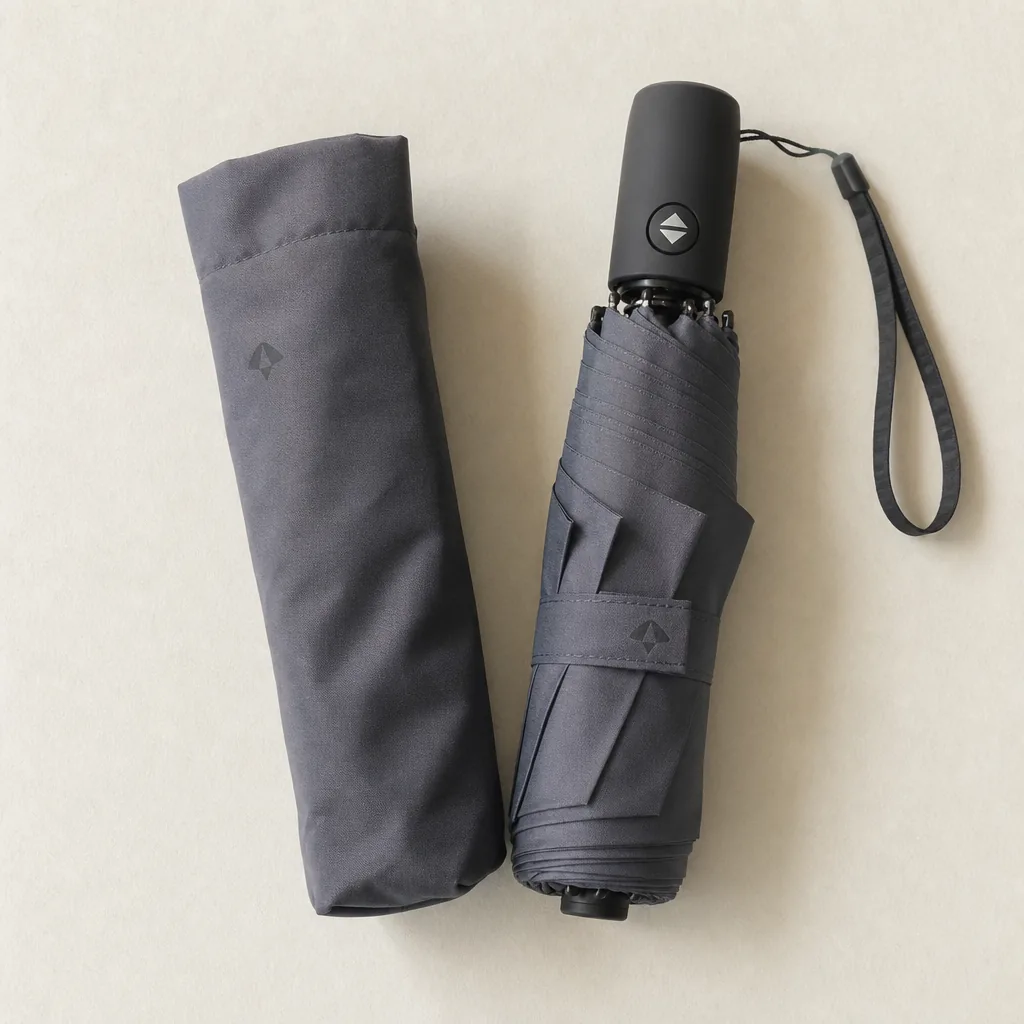
For buyers building a private label umbrella assortment, the hardest part is not choosing colors or prints but balancing style coverage, target retail price, and factory constraints across compact, stick, golf, and sun models. On our Songxia production floor, small changes in canopy size, shaft material, runner structure, and packing method can shift MOQ, lead time, defect risk, and landed cost faster than most catalogs suggest.
- 1. Build a balanced assortment by shopper need and price tier
- 2. Specify each style with clear performance requirements
- 3. Choose canopy materials and protection features by channel
- 4. Align packaging, carton planning, and replenishment with retail ops
- 5. Control quality across multiple SKUs before launch
Build a balanced assortment by shopper need and price tier
A strong private label umbrella assortment starts with price architecture, not color. One 21-inch folding SKU will not cover both shopper intent and margin. For most retailers, the cleanest structure is three tiers. Entry should be a 21-inch compact, manual or basic auto-open, in 190T pongee with a steel shaft and mixed steel/fiberglass 8K ribs. Mid-tier should upgrade either to a 23-inch stick or a 21-inch auto-open-close compact with higher fiberglass content, better spring reliability, and more consistent canopy finishing after repeated open-close cycles. Premium should add a visible performance story: windproof construction, UV protection, or both. The real jump from entry to mid is not cosmetic trim; it is mechanism durability, rib elasticity, and finish consistency, which directly affects return rates. If a retail umbrella supplier cannot explain the assortment in those terms, they are likely pushing existing tooling rather than building a range around cost, durability, and sell-through.
Keep the range broad enough to cover use cases, but tight enough to control MOQ and inventory risk. Four silhouettes usually outperform a cluttered line: compact and stick umbrellas for daily rain use, a larger golf shape for car and weekend carry, and a sun model for warm-climate or travel demand. A practical opening mix is 40% compact daily-carry, 30% classic stick, 20% golf, and 10% sun-focused styles, then adjust after one season of sell-through. Entry compacts can stay at 21 inches with 8K ribs and basic sleeve packing. Mid-tier sticks typically work at 23 or 27 inches with auto-open and fiberglass ribs. Premium can justify a 30-inch arc, 8K or 16K construction, and a double canopy golf umbrella tested for 50+ mph gusts. For UPF 50+ umbrellas, require a defined fabric system such as black-UV-coated 190T or 210T pongee, silver UV coating, or another heat-reflective treatment, plus test documentation rather than a hangtag claim. To keep MOQ disciplined, share canopy fabrics across tiers and differentiate by frame, mechanism, and trim. That lowers dead-stock exposure while preserving clear good-better-best pricing.
Specify each style with clear performance requirements
Define the private label umbrella assortment by use case, then lock the minimum build for each segment on the spec sheet. For core retail, make 8K the default structure: it holds canopy tension well, uses fewer sewing operations than 16K, and is easier to service at mass price points. In compact and stick umbrellas, that usually translates to 21"-23" folding models for handbags, cars, and commuter carry, and 23"-27" stick styles for front-of-store utility. For value-led SKUs, a steel shaft with steel ribs controls unit cost, but auto-open designs should add fiberglass end ribs or fiberglass-reinforced ribs to reduce permanent set after inversion. Set canopy fabric at 190T pongee minimum; move to 210T when print sharpness, lower pinholing risk, and cleaner shelf presentation justify the extra cost. Writing frame composition and fabric grade into the spec sheet, instead of leaving them in sample notes, reduces supplier drift, return risk, and margin erosion.
Treat fashion and decorative umbrellas as a separate spec family. A 16K frame gives a rounder canopy, narrower panels, and cleaner stripe alignment, which improves gift and boutique presentation, but it also adds weight, stitch lines, and labor cost. Use 16K for decorative positioning, not as the backbone of a mass program, and do not assume more ribs mean better wind performance; a well-built 8K often holds up better in daily use. If the range includes UPF 50+ umbrellas, require black or silver UV coating tested to UPF 50+ across all panels, not a vague sun-protection claim. For golf, coastal, or storm styles, specify construction instead of asking a retail umbrella supplier for something merely "windproof": a double canopy golf umbrella should be vented, built on an 8K frame, and sized at 27" or 30" to deliver real coverage. Standardize fiberglass ribs, use a fiberglass or composite shaft when budget allows, reserve all-steel frames for opening price points, and call for 190T or 210T pongee with water-repellent or Teflon finish. Back the claim with open-close cycle checks, strap-stitch verification, top-notch fixation checks, and finished-goods inspection to AQL 2.5 before shipment.
Choose canopy materials and protection features by channel
For a price-led private label umbrella assortment, 190T pongee is usually the right canopy for rain-first SKUs sold through supermarkets, chain stores, and promotional retail. It prints reliably, sews cleanly, and keeps landed cost under control across 21", 23", and 27" compact and stick umbrellas, especially on standard 8K frames with a steel shaft and fiberglass end ribs. In these channels, the bigger buying risk is not choosing 190T over 210T; it is inconsistent dye lots, weak water repellency, and poor seam execution that show up as shade variation, slow shake-dry, or leakage at the stitch line. If opening price drives the program, keep 190T and spend the budget on colorfastness control, hydrostatic performance, and production QC such as seam inspection and AQL 2.5 final checks. That approach protects margin better than upgrading fabric density that most value-channel shoppers will not notice on shelf.
Move to 210T pongee when the umbrella has to look and feel more premium in department store, resort, travel, or outdoor channels. The tighter weave gives better opacity, richer dark shades, cleaner all-over print presentation, and a firmer hand that reads as higher value at retail. It is a stronger fit for larger formats, including a 30" double canopy golf umbrella on 10K or 16K frames, where panel tension, wrinkle recovery, and print consistency are easier to judge. For sun programs, base fabric alone is not enough: UPF 50+ umbrellas should be tested on the finished canopy after printing and sewing, because pale colors, full-bleed artwork, and needle holes can reduce actual protection. In practice, that usually requires a UV-blocking silver, black, or clear coating. Those coatings change the product and the cost: black undersides reduce glare, silver reflects heat better, both add weight, and UV coatings can mute PMS colors, flatten sheen, and stiffen hand feel. Teflon-style finishes improve water repellency but do not provide UV protection. Treat 210T as a channel upgrade, and use UV-coated canopies only where the retail price can absorb the added unit cost.
Align packaging, carton planning, and replenishment with retail ops
Packaging decisions change unit cost, prep labor, and freight before a unit ever reaches the shelf. A plain PE sleeve plus barcode label is usually the lowest-cost pack for value retail or club packs, but it often shifts work to the 3PL for relabeling, bagging, or adding parcel protection. A stitched sleeve with carry strap, branded hangtag, and scannable UPC is more shelf-ready and can reduce handling at receipt, pick, and put-away, but it adds material, sewing, and pack-out time while increasing cube. That matters most in e-commerce. A 21-inch compact typically fits courier-friendly parcels far better than 27-inch or 30-inch stick umbrellas, where a bulky handle cap, header card, or loose sleeve can push the shipper into oversize or DIM-weight charges. For a private label umbrella assortment, lock retail pack dimensions before PPS approval. Even small changes after carton testing can alter case counts, pallet height, and container utilization across the program.
Carton planning should match the retailer’s replenishment model, not the factory’s packing preference. If stores refill peg hooks by color, use single-SKU, single-color inner packs of 6 instead of assorted 12-piece inners that create backroom sorting and shelf gaps. If the business is mostly direct-to-consumer, mixed-color inners can work, but the master carton still needs enough protection to prevent handle and ferrule crush during parcel and line-haul transit. For compact and stick umbrellas, export masters in the 12-24 piece range are usually the practical balance between freight efficiency and handling, with gross weight kept under about 15 kg so cartons stay hand-movable and less likely to fail at the joints. Carton length matters as much as weight: a 30-inch double canopy golf umbrella can waste cube if the master is underfilled, while compact units usually deliver lower CBM per piece through tighter nesting. A capable retail umbrella supplier should model shelf flow, parcel dimensions, and container loading before carton counts are frozen.
Most assortment problems come from too many low-volume colors and too many packaging variants. Set MOQ by frame, canopy fabric, and print method, not only by total PO value. A practical starting point is 1,200-3,000 pieces per style on stock frames, with 300-500 pieces per color for solid 190T or 210T pongee. Custom-dyed fabric, UPF 50+ umbrellas, special handles, or added retail trims usually need higher color minimums to remain commercially viable. Over-fragmenting the private label umbrella assortment leads to uneven replenishment, dead stock in slow colors, and carton assortments that do not work cleanly for stores or dot-com fulfillment. At launch, it is usually safer to buy deeper in three proven colors than to split one style across six shades, especially when compact and stick umbrellas require different retail and e-commerce packs. Keep the SKU count narrow enough that repeat orders can be placed in 30-45 days without carrying fragmented inventory across too many colors.
Control quality across multiple SKUs before launch
Most margin leakage in a private label umbrella assortment comes from assortment-level mistakes, not a single failed SKU: mixed cartons, wrong hangtags, barcode mismatches, inconsistent opening feel across compact and stick umbrellas, or color drift between print lots. Set the pre-shipment plan at AQL 2.5, normal inspection, by production lot and by packed assortment, then sample both loose finished goods and sealed export cartons against the final pack list. For a mixed program such as a 21-inch auto-open-close compact, 23-inch manual stick, and 30-inch double canopy golf umbrella, inspect each lot separately and add carton verification before release. Core checks should cover opening and closing force on spring frames, canopy centering to the shaft, rib alignment at the top notch, stitch quality at panel joins, and ferrule and tip security under pull test. If one SKU shows a repeated defect, expand sampling across the same frame or mechanism family immediately; faults in shared tooling or assembly usually repeat across related compact and stick umbrellas from the same retail umbrella supplier.
Run mechanical checks separately from water and appearance because they fail for different reasons and require different sampling attention. For water repellency, use a spray-rating check after conditioning, then confirm wet-open and shake-off performance against the approved standard on 190T or 210T pongee. For UPF 50+ umbrellas, verify that bulk fabric matches the approved UV-coated, silver-coated, or blackout canopy specification; standard pongee and coated cloth are often mixed during cutting if controls are weak. Check canopy centering with the umbrella fully opened on a flat reference, looking for uneven panel tension, twisted sewing, and print registration drifting off the seam. For stitch quality, verify seam appearance plus back-tack security at the strap, top patch, and handle attachment. Packaging accuracy should include SKU label, barcode scan, care card, country-of-origin marking, inner-pack count, and assortment ratio before master cartons are sealed. For lead time, plan initial launch orders at about 45 to 60 days FOB after sample approval, or roughly 70 to 100 days DDP including transit and customs; repeat orders are typically 30 to 40 days FOB once BOM, trims, frames, and cartons are locked. Hold 7 to 10 days for final inspection, rework, and booking, and avoid late barcode or carton changes after bulk production starts.
Frequently Asked Questions
How many umbrella styles should a new private-label retail program launch with?
Many buyers start with 3-4 core styles: one compact, one stick, one golf, and one sun or fashion item. This gives price coverage and different use cases without creating unmanageable MOQ and inventory pressure.
When does a 16K umbrella make sense in retail?
A 16K style usually fits fashion-forward or gift-oriented retail where appearance matters more than lowest cost. Buyers should confirm that the higher panel count still supports print layout, target margin, and expected sales volume.
What is a practical opening assortment ratio for a new private-label umbrella program?
For many general retail accounts, a workable starting mix is 50-60% compact umbrellas, 20-25% stick umbrellas, 10-15% golf umbrellas, and 10-15% sun or UPF-rated styles. Buyers usually adjust after the first season based on sell-through, regional weather, and price point performance.
How should a buyer set MOQ by style when testing multiple umbrella categories?
A common approach is to keep core fabrics and frame components shared across styles, then split production by handle, canopy size, or print design. For OEM programs, factories often support MOQs around 300-500 pieces per SKU for simpler styles, while specialty constructions such as UPF-coated or double-canopy models may require 500-1000 pieces per SKU.
Which QC checkpoints matter most when one assortment includes compact, stick, golf, and sun umbrellas?
Buyers should define style-specific checks: opening and closing cycle tests for compact models, shaft straightness and runner fit for stick umbrellas, vent stitching and rib tension for golf umbrellas, and coating consistency or test reports for UPF styles. A practical shipment standard is AQL inspection plus function testing on every sampled unit, with carton drop checks for export packing.
Looking to Launch Your Custom Umbrella Line?
ZheBrella is a Zhejiang-based OEM/ODM umbrella manufacturer with 17 years of export experience. Free design, low MOQ from 100 pieces, windproof construction, full-color print.
Get Free Quote Now »People Also Search For
Related Articles
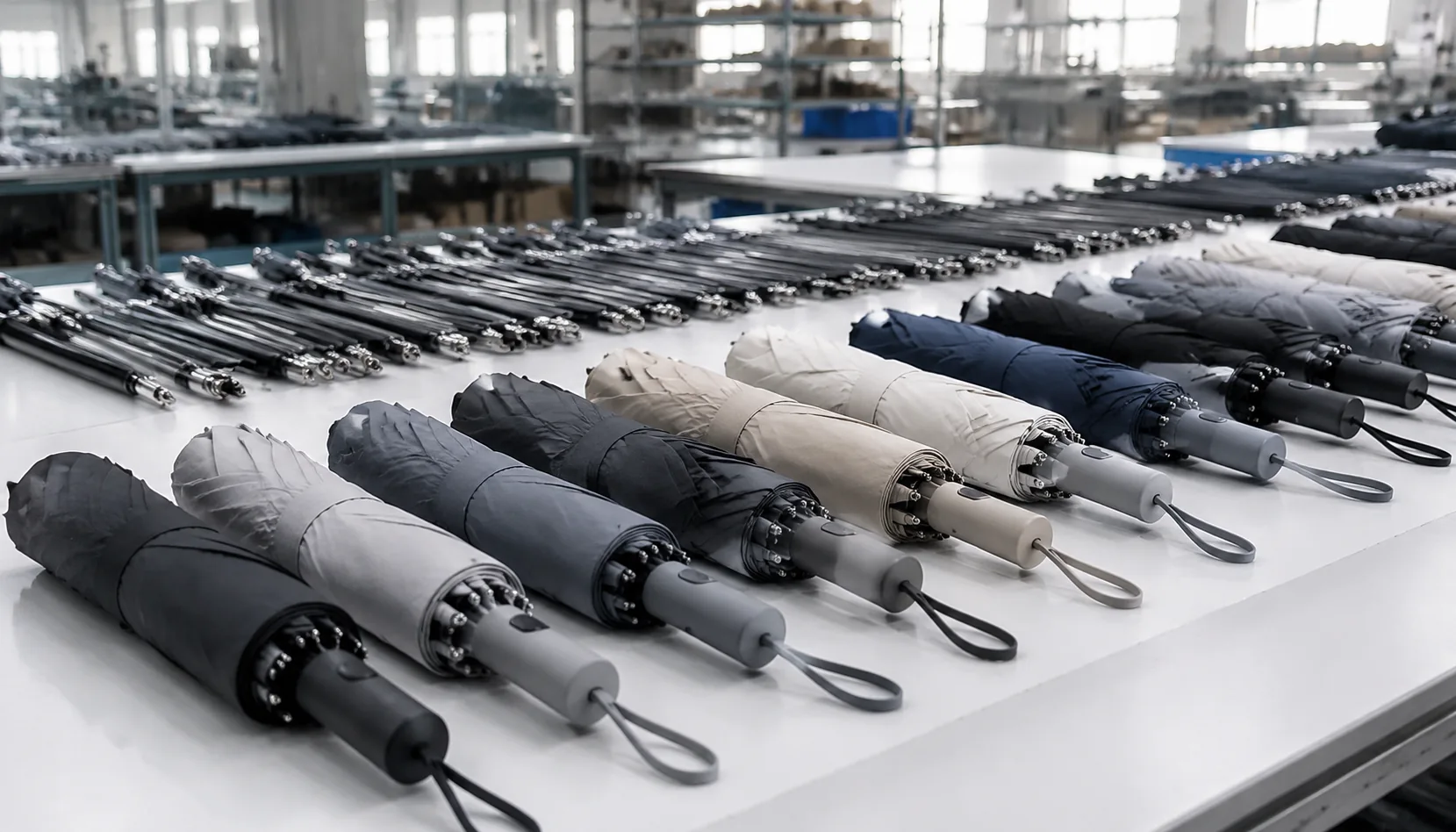
Private Label Compact Umbrellas for Retail Chain Buyers
Plan retail-ready compact umbrellas with 3-fold or 5-fold frames, 190T/210T pongee, barcode packaging, AQL checks, and r...
Read More »
Luxury Wooden Handle Umbrellas for Retail Private Label
Build retail-ready wooden handle umbrellas with 16K frames, 210T pongee, branded details, packaging specs, FOB/DDP terms...
Read More »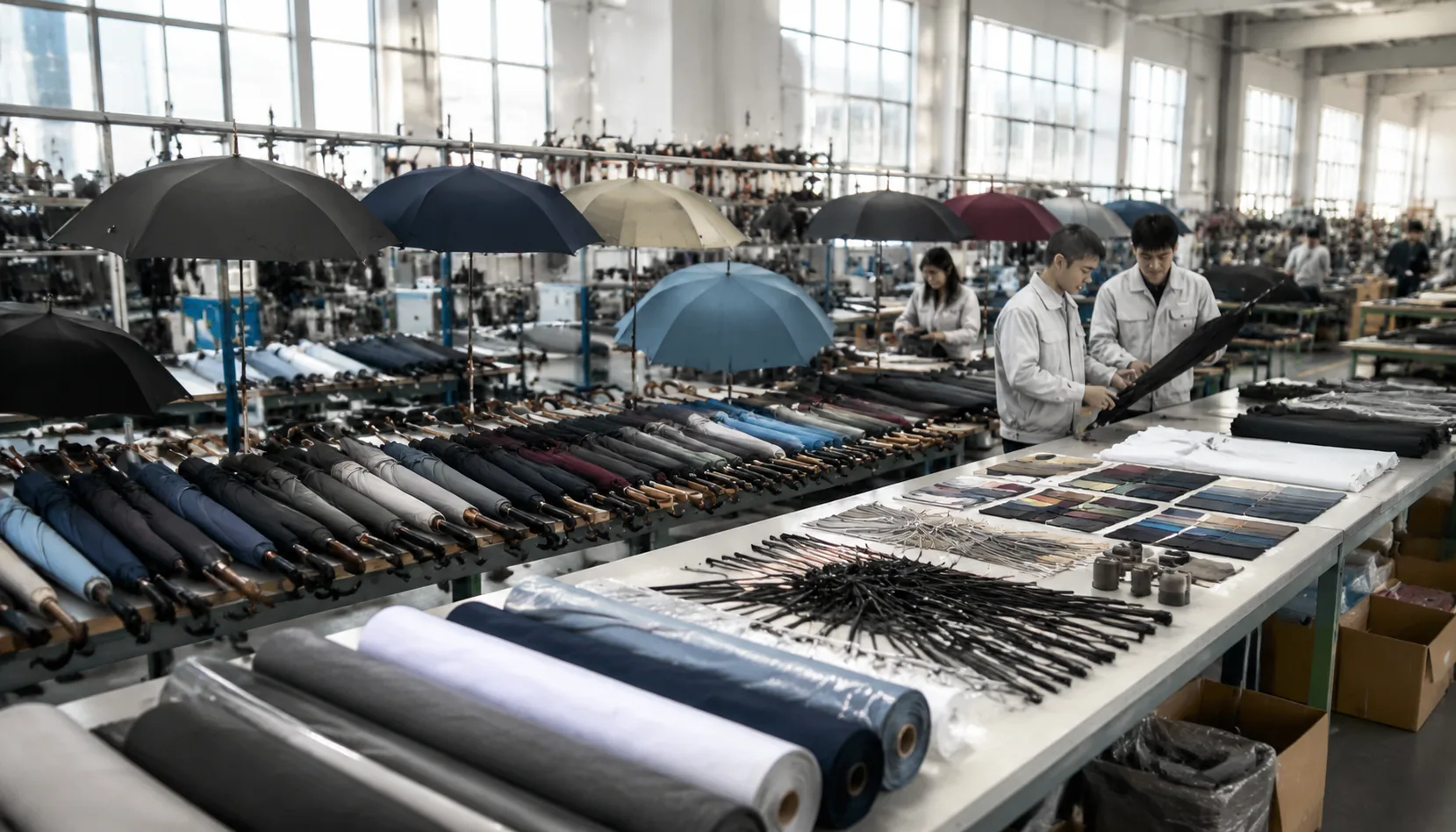
Private Label Umbrella Line Planning for Retail Buyers
Plan a retail-ready umbrella line with good-better-best specs, MOQ tiers, fabrics, rib counts, packaging, and lead-time ...
Read More »