RPET Umbrellas for Retail Brands: Buyer Specification Guide
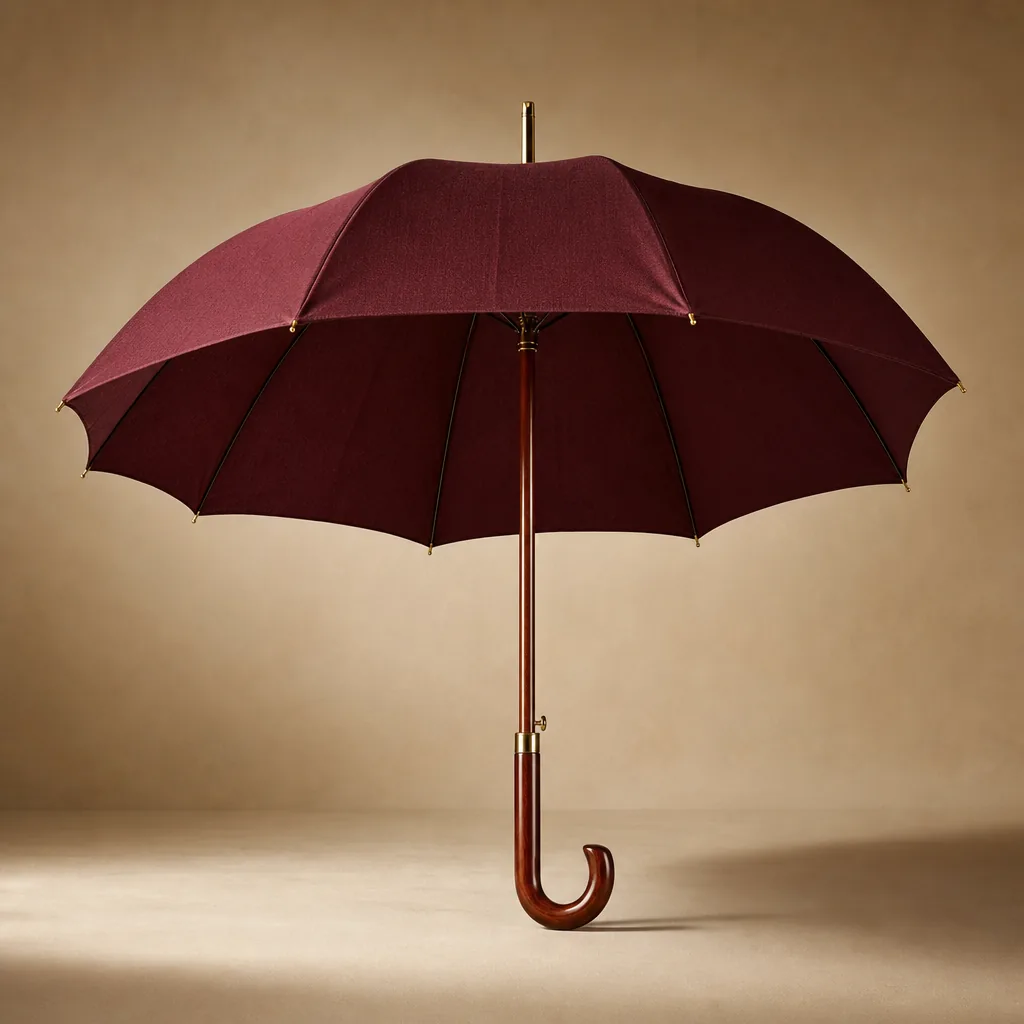
Retail buyers often ask for “eco umbrellas,” but the real sourcing risk is whether the fabric claim, frame durability, color control, and packaging all hold up under production and store-level inspection. As an RPET umbrella manufacturer in Songxia, we see most issues start with unclear specifications: RPET pongee weight, recycled-content proof, rib material, wind-test expectations, MOQ by color, and logo method all need to be fixed before sampling.
Define the RPET Claim Before Choosing the Umbrella Type
The first mistake I see from retail buyers is writing “RPET umbrella” as if the whole product is recycled. In production, the claim has to be broken down by component: canopy fabric, inner lining if used, sleeve fabric, woven label, hangtag string, polybag, and export carton. A normal RPET pongee umbrella might use 190T or 210T recycled polyester only on the canopy, while the shaft is steel or aluminum, ribs are fiberglass or steel, the handle is ABS, EVA, wood, or rubber-coated plastic, and the runner and tips are virgin plastic. If the sleeve is made from virgin pongee, the retail claim cannot say “umbrella made from recycled materials” without a qualifier. A cleaner specification is: “Canopy and sleeve made with 100% recycled polyester fabric; other components are not recycled.” That wording protects the buyer, the recycled umbrella supplier, and the factory during compliance review.
GRS certified umbrellas require paperwork that follows the material, not just a logo on a sales deck. Buyers should ask for the supplier’s GRS scope certificate and the transaction certificate, usually called a TC, for the fabric lot used in the order. The TC should match the mill, fabric composition, recycled-content percentage, dyeing or finishing process, and total quantity shipped into the umbrella factory. If you order 10,000 pieces of 23 inch auto-open umbrellas using 210T RPET pongee, the TC quantity must reasonably cover the square meters consumed for the canopy and sleeves, including cutting loss. In our factory checks, cutting waste for umbrella panels is commonly 8% to 15% depending on panel shape, size, and print layout. If the document volume is too small, the recycled-content claim will not survive a brand audit.
The bill of materials must match the marketing claim line by line. If the canopy is 100% recycled polyester but has a PU, Teflon-style water-repellent, or UV UPF 50+ coating, the coating is normally not recycled and should be listed separately. Sublimation printing, screen printing, and heat-transfer logos also add non-RPET inks or films, which matters for strict eco promotional umbrellas programs. Packaging needs the same discipline: recycled kraft hangtags, FSC cartons, recycled-content polybags, or no individual polybag are separate choices with separate evidence. A serious RPET umbrella manufacturer should issue a pre-production BOM showing material name, supplier, recycled percentage, certification status, and claim wording before sampling. That document should then control purchasing, cutting, sewing, final AQL 2.5 inspection, and carton labeling, so the retail label does not promise more than the factory actually built.
Select RPET Pongee Weight, Coating, and Print Method
For retail RPET pongee, 190T and 210T are not just price points; they change how the umbrella feels in the customer’s hand. A 190T RPET pongee umbrella is lighter, folds cleaner on 21-inch and 23-inch compact models, and keeps freight weight under control for large promotional programs. The tradeoff is slightly lower opacity, especially on white, yellow, and pastel panels where the rib shadow can show through under store lighting. 210T RPET pongee has a denser weave, smoother hand feel, better color saturation, and a more premium drape on 23-inch stick, 27-inch golf, and 30-inch oversize umbrellas. Water repellency depends more on finishing than yarn count, but 210T normally holds a cleaner surface bead after spray testing because the weave is tighter. If you are comparing quotes from an RPET umbrella manufacturer, ask for fabric GSM, not only “190T” or “210T,” because mills use different yarn deniers and the same T rating can feel different in production.
Coating choice should be decided before artwork approval because it affects color, weight, and folding behavior. A standard water-repellent finish is enough for most eco promotional umbrellas, but retail buyers selling sun protection should specify black UV backing with UPF 50+ test reporting; it gives strong shade performance and improves opacity, though the canopy feels stiffer and may show crease marks after tight packing. Silver UV coating is cheaper but looks less refined and can crack sooner on auto-open-close compact umbrellas if the folding radius is aggressive. Teflon-style water-repellent finishing gives better beading and faster drying, but for GRS certified umbrellas the buyer should confirm whether the chemical finish and fabric supply chain documentation match the claim being printed on the hangtag. Our standard practice at ZheBrella is to lock coating, color lab dip, and print method in the same approval round, because a logo that looks sharp on uncoated RPET can shift once black backing or heavy WR finishing is applied.
For logo sharpness, screen printing is still the safest method for solid one- to four-color marks on RPET panels, especially on 190T where heavy ink coverage can telegraph less cleanly if the fabric is loose. Heat transfer gives sharper gradients and small text, but it adds a film layer; on dark 210T pongee it can look excellent for retail branding, while on folding umbrellas it must pass bend and tape tests to avoid edge lifting. Sublimation is suitable only on light-colored polyester RPET fabric and works well for full-panel patterns, but it cannot print white and will not cover dark grounds. Sleeves should not be treated as an afterthought: screen print is economical for simple logos, woven labels give a retail look, and heat-transfer sleeve artwork keeps fine QR codes readable. A serious recycled umbrella supplier should provide pre-production samples with the exact RPET lot, coating, rib frame, and print process, then inspect bulk production under AQL 2.5 for print alignment, coating stains, water repellency, and color consistency.
Match the Frame to the Sustainability Positioning
Frame choice should support the retail story, not fight it. If the umbrella is positioned as low-impact but breaks after one windy season, the recycled canopy becomes a liability. For compact styles, I normally specify fiberglass ribs with a steel shaft for the best balance of flex, cost, and drop-test reliability. A 21" or 23" RPET pongee umbrella with 8K fiberglass ribs, 190T or 210T fabric, and an auto-open-close mechanism is the most common retail build because it feels substantial without becoming too heavy in a handbag. Aluminum shafts reduce weight, but they dent more easily during parcel distribution, especially for e-commerce. A mixed frame — steel center shaft, fiberglass ribs, and plastic runner — is often the safest specification for brands that need recycled content in the canopy but still want a warranty claim rate under control.
For straight and golf umbrellas, the frame has to carry more load, so sustainability claims should be paired with visible durability. A 27" or 30" golf umbrella using 8K fiberglass ribs and a fiberglass shaft can survive gusts around 50+ mph when the rib thickness, runner fit, and canopy tension are correct. If the buyer wants a premium windproof story, a 16K build spreads stress better and makes the canopy look rounder, but it adds material, labor, and packed weight. Double-canopy vented construction is worth using on golf models and larger straight umbrellas because it reduces inversion pressure; it is usually overkill on small 21" compacts unless the retail price can absorb the sewing cost. As an RPET umbrella manufacturer, we see many brands overspecify recycled fabric but underspecify the frame, which is where most failures actually start.
Steel still has a place in eco promotional umbrellas when the target is affordability and long service life rather than maximum recycled material percentage. A straight 23" manual umbrella with a steel shaft, fiberglass ribs, and RPET pongee canopy is a sensible giveaway or retail entry item because the structure is easy to repair during assembly and stable in AQL 2.5 inspection. For GRS certified umbrellas, keep the certification focus on the fabric and traceability documents unless the frame components are also covered by certified recycled inputs, which is less common and increases sourcing complexity. A recycled umbrella supplier should be clear about this distinction on the spec sheet: canopy material, coating, handle material, frame material, and packaging are separate claims. Our standard practice at ZheBrella is to test mixed-frame samples through open-close cycling, rib flexing, and wind simulation before confirming MOQ and FOB pricing, because a greener umbrella still has to open smoothly and hold its shape.
Plan MOQ, Sampling, and Lead Time for RPET Orders
For RPET orders, MOQ is driven less by the umbrella frame and more by certified fabric availability. A plain 23" auto-open 8K umbrella with 190T RPET pongee can sometimes start at 500–1,000 pcs per color if the recycled yarn is in stock, but GRS certified umbrellas usually need 1,200–3,000 pcs because the mill must issue transaction documents and separate certified fabric lots. If you want a 21" compact auto-open-close, 27" golf umbrella, or double-canopy vented windproof model, plan MOQ by frame size and canopy color, not just total order quantity. As an RPET umbrella manufacturer, I advise buyers not to mix too many PMS canopy colors on the first PO; each dyed RPET lot adds lab dip approval, shade-band risk, and extra cutting-room control.
Sampling takes longer than a standard polyester umbrella because recycled fabric and documentation must be checked before production approval. A digital mockup can be done in 1–2 days, but a physical pre-production sample normally needs 7–12 days for stock RPET fabric and 15–25 days if custom-dyed RPET pongee umbrella fabric is required. Add 3–5 days for logo strike-off if using silk screen, heat transfer, or sublimation on darker 210T pongee. Buyers ordering eco promotional umbrellas should approve the canopy color, print position, handle material, hangtag claims, and GRS wording at the sample stage; changing sustainability claims after bulk fabric is cut creates rework and may invalidate the document chain.
Bulk lead time is typically 30–45 days after deposit and final sample approval for 1,000–5,000 pcs, and 50–65 days for larger retail rollouts, custom frames, FSC paper packaging, or GRS certified material booked from the yarn stage. FOB Ningbo or Shanghai is cleaner for buyers with their own forwarder, while DDP is useful for promotional distributors shipping to multiple U.S. or EU addresses, but it needs carton dimensions, HS code confirmation, and realistic duty assumptions before pricing. A serious recycled umbrella supplier should also build in AQL 2.5 final inspection time, carton drop-test checks, and 2–3 buffer days before vessel closing; umbrellas packed wet or rushed after printing are where mildew, handle scratches, and wrong-color panels usually appear.
Check QC Points That Protect Recycled-Content Programs
The first QC point for any recycled-content umbrella program is incoming fabric verification, not the final carton check. For an RPET pongee umbrella, we verify the fabric roll against the purchase order, GRS transaction certificate scope, yarn claim, weight, width, and shade band before cutting. A common retail failure is mixing 190T and 210T pongee from different dye lots, then discovering under store lighting that navy panels do not match. We cut shade cards from every roll, check GSM, run a basic water-repellency test after Teflon or equivalent finishing, and quarantine any roll with oil marks, slubs, or uneven coating. A serious RPET umbrella manufacturer should also control traceability by roll number through cutting tickets, sewing bundles, and final packing lists, because recycled-content claims fall apart when fabric identity is lost on the cutting table.
Color, print, and sewing checks protect the visible part of the program. For retail brands and eco promotional umbrellas, we check Pantone tolerance on the canopy and handle, especially when the buyer uses heat-transfer logos on dark RPET fabric. Screen print and transfer adhesion should pass cross-hatch tape testing, rubbing checks, and wet crocking checks before mass production continues. Sublimation needs panel-by-panel inspection for ghosting and edge distortion, because umbrella panels are curved after sewing even if the print looked clean on flat fabric. Seam strength is tested at the panel joint, tip reinforcement, and top cap area; weak stitching around the runner or rib pocket will fail long before the recycled fabric does. Our standard practice at ZheBrella is to compare production samples against the approved pre-production sample at each major process: fabric cutting, canopy sewing, frame mounting, and packed-goods inspection.
Mechanical testing must be written into the QC plan, because GRS certified umbrellas still get returned if the frame jams or the auto-open spring is weak. We cycle manual, auto-open, and auto-open-close mechanisms, checking runner lock, shaft wobble, rib alignment, tip seating, and closing force. For 8K and 10K fiberglass frames, we also inspect rib flexibility and rivet security; for steel frames, plating scratches and rust points are critical. Final inspection should follow AQL 2.5 for major defects, with separate notes for minor cosmetic issues, carton drop condition, and barcode scanning. A recycled umbrella supplier handling retail orders must match carton labels, hangtags, care labels, polybag warnings, GRS claim wording, PO number, SKU, color code, quantity, and shipping marks against the buyer’s packing instruction. If documents, cartons, and product labels do not match exactly, the shipment can fail compliance even when the umbrellas themselves are acceptable.
Frequently Asked Questions
Can an RPET umbrella also be UPF 50+?
Yes. RPET pongee can use a black or silver UV coating to reach UPF 50+, but buyers should request lab testing on the final coated fabric, not only on the base cloth.
Does RPET fabric change the umbrella MOQ?
Often yes. Certified RPET fabric may require a higher fabric MOQ than standard pongee, especially for custom colors or GRS transaction certificate support.
What documents should a buyer request to validate recycled-content claims on umbrellas?
Ask for a current GRS scope certificate, transaction certificates for the RPET fabric lot if required by your program, and a material specification sheet showing recycled content by component. If the handle and frame are not recycled, the supplier should clearly state which parts are covered by the claim.
How does RPET pongee affect MOQ and lead time compared with standard polyester umbrellas?
RPET pongee usually raises material MOQ because mills often require color-by-color fabric minimums, commonly around 1,000 to 3,000 meters. For custom orders, lead times are often 7 to 15 days longer than standard polyester if the RPET fabric is not in stock.
Which umbrella components are typically hardest to convert to recycled content for retail programs?
The canopy is the easiest component to source in RPET, while handles, tips, and some plastic frame parts are harder to match in recycled material with consistent finish and color. Many retail programs start with an RPET canopy plus standard fiberglass or metal frame, then document the exact recycled-content percentage at SKU level.
Looking to Launch Your Custom Umbrella Line?
ZheBrella is a Zhejiang-based OEM/ODM umbrella manufacturer with 17 years of export experience. Free design, low MOQ from 100 pieces, windproof construction, full-color print.
Get Free Quote Now »People Also Search For
Related Articles
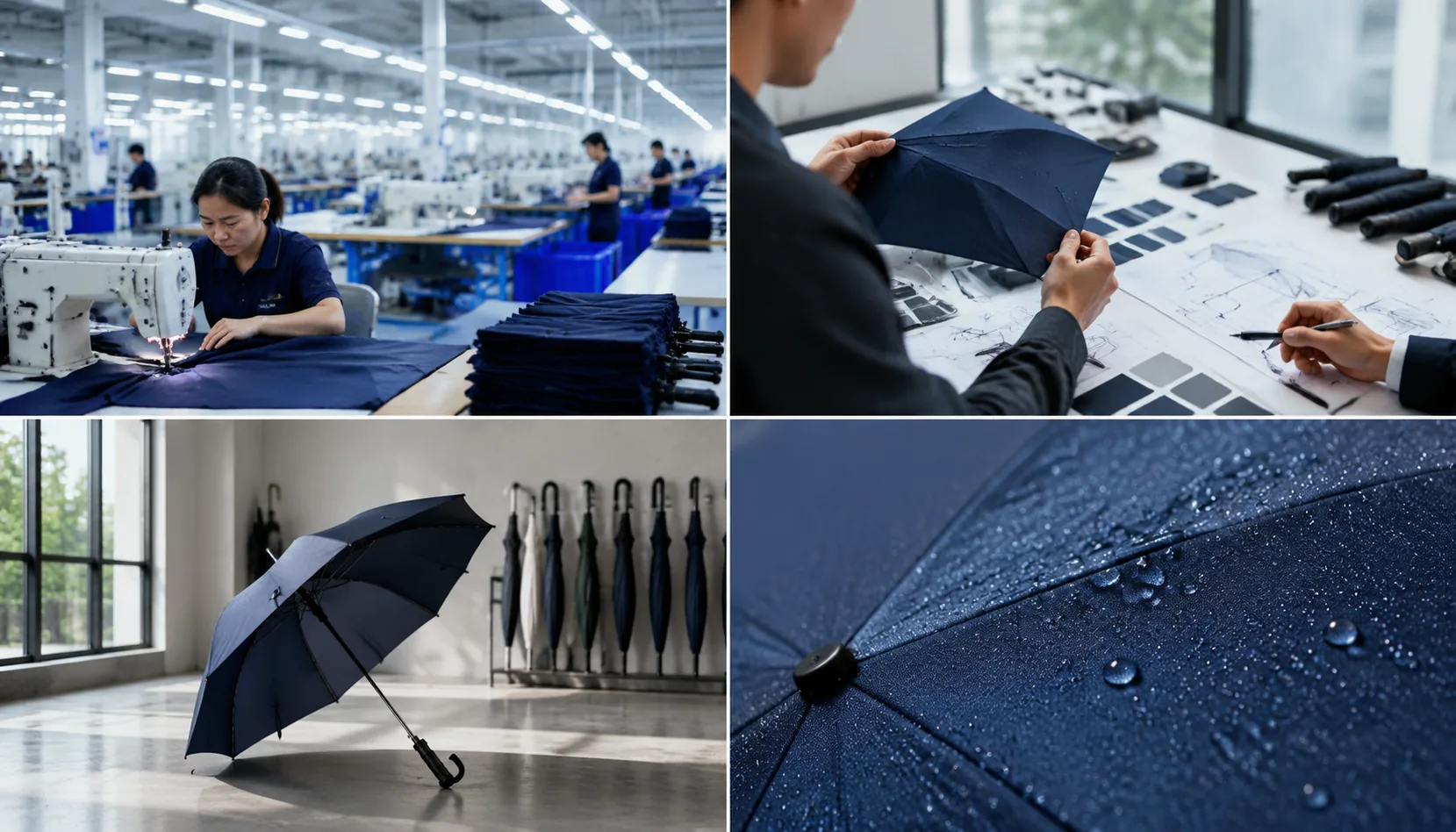
RPET Recycled Umbrellas: Buyer Specs for Brand Orders
Specify RPET recycled umbrellas with certified pongee fabric, frame choices, coating options, MOQ, documentation, AQL 2....
Read More »
RPET Recycled Umbrellas: Buyer Specs for Sustainable Lines
Compare RPET pongee, recycled claims, coatings, frames, and packaging so eco umbrella programs meet price targets, lead ...
Read More »
RPET Umbrellas for Sustainable Retail and Promo Programs
Learn how to specify RPET umbrella fabric, certification, print methods, frames, MOQ, and packaging for sustainable reta...
Read More »