Umbrella Programs for Insurance Adjusters and Field Inspectors
Insurance adjusters and field teams do not complain about umbrellas until a rib snaps in crosswind, an auto-open hesitates at the curb, or a repeat order arrives with different canopy tension than the last lot. For buyers sourcing umbrella programs for field inspectors, the real work is locking down frame gauge, runner fit, opening reliability, and color consistency early, because those are the details that decide whether the product holds up in daily claims and inspection use.
Why Adjusters and Inspectors Need Dedicated Umbrellas
Field work breaks promotional umbrellas fast. Property claims, lender draw inspections, and routine site visits require adjusters to step out of pickups, clear wet curbs, photograph hail or siding damage, check roof lines, and review a tablet in parking lots where wind funnels between buildings. For that use case, insurance adjuster umbrellas should open with one hand and store easily in a truck door pocket or seat-back organizer. In practice, buyers usually end up with a 21-inch or 23-inch auto-open folding frame instead of a manual compact or oversized straight umbrella. The frame spec matters more than the logo treatment: fiberglass ribs recover from inversion better than plain steel, and an 8K frame is the practical minimum for daily field use. If the umbrella needs to perform in actual weather, not function as a giveaway, a vented double canopy in 190T pongee is the safer build because it improves stability without making the umbrella too bulky for vehicle carry.
Catastrophe response, engineering site work, and lender or forensic field visits expose a different failure pattern: the umbrella may stay in a vehicle for months, then open and close dozens of times a day while shielding forms, tablets, cameras, and moisture meters from rain. That is why umbrella programs for field inspectors should prioritize cycle durability, drying speed, and canopy performance over cosmetic branding. Auto-open-close can help when getting in and out of SUVs, but the added spring pack increases weight and creates another failure point on low-grade frames, so many fleet buyers choose auto-open only for longer service life at volume. A 210T pongee canopy with Teflon coating sheds water faster when users need to close the umbrella and immediately place thermal printouts or camera gear on the passenger seat. For exterior moisture checks, foundation reviews, or bridge inspections, a 27-inch compact or 30-inch straight frame gives better shoulder and equipment coverage, provided it still fits behind the seat. On sourcing, bulk umbrella lead times typically run 20 to 30 days FOB for a stock black 23-inch auto-open with a 1-color screen print, and 35 to 50 days for custom canopy colors, molded handles, or matched sleeves. Require AQL 2.5 final inspection; sticky runners, loose tips, and poor panel sewing show up immediately in field use.
Best Frame and Canopy Specs for Daily Field Work
For daily claim work, frame spec matters more than canopy print because failure cost shows up in replacement rates and missed site time. A 21-inch compact telescopic umbrella fits a truck door pocket, ladder box, or field bag, but the extra tube sections, springs, and joints add wear points after repeated muddy open-close cycles. For insurance adjuster umbrellas used 5 to 10 times per day, a 23-inch or 27-inch straight umbrella with an 8K frame is usually the better working spec. The straight shaft tracks cleaner when opening, drains faster between stops, and takes side-load better when an inspector is walking an exposed property line or checking roof lines in rain. Three-fold compacts still earn a place in umbrella programs for field inspectors when crews fly with gear or need packability, but they should be built on a heavier telescopic frame rather than low-cost promotional hardware. For most buyers, the decision is straightforward: compact for travel and storage, straight frame for higher daily durability and better control on site.
Mechanism and materials drive warranty risk more than logo treatment. Auto-open is worth the added unit cost when one hand is occupied with a tablet, moisture meter, or sample bag and the umbrella must deploy as soon as the truck door opens. Manual open on a straight umbrella remains the lowest-risk option because the mechanism is simpler, while auto-open straight shaft models are a practical middle ground that improve speed without the extra failure points of full auto open-close systems. On the frame, fiberglass ribs are the better field spec because they flex and recover in gusts instead of taking a permanent bend; a steel shaft can still work on cost-controlled branded work umbrellas, but an all-steel rib set is hard to justify unless price is the only buying criterion. Specify 190T pongee as the minimum canopy, or 210T pongee for higher-abuse fleets that store umbrellas wet in vehicles; both outlast cheap nylon, dry faster, and hold print better, while 210T resists pinholing and shape loss more effectively. For coastal wind, open lots, and storm response, move to an 8K double-canopy vented design with fiberglass ribs instead of simply adding frame weight. For umbrella programs for field inspectors, that is the more durable spec for windproof inspection umbrellas, and it should be evaluated against MOQ and bulk umbrella lead times before locking the order.
Features That Improve Safety and Productivity
For umbrella programs for field inspectors, prioritize features that reduce exposure and lost time, not decorative upgrades. Reflective trim sewn into the canopy edge or shoulder sleeve improves visibility for CAT teams and auto adjusters working near traffic at dawn, dusk, or after dark. High-visibility canopy colors such as safety yellow, orange, and lime are easier to track across rooflines, parking lots, and roadside shoulders than navy or black, which supports crew coordination and fleet visibility. Specify molded EVA or rubberized grips instead of glossy plastic so the handle stays secure with wet gloves, and favor a straight ergonomic handle that stows cleanly in truck door pockets, ladder racks, and job boxes. For most insurance adjuster umbrellas, a 23-inch or 27-inch frame with 8K fiberglass ribs gives enough coverage for the user plus a clipboard or tablet without the awkward reach and storage issues of oversized golf umbrellas.
Match size and construction to actual field use. A 21-inch compact can fit a backpack, but it is usually too small once the user is carrying a moisture meter, camera, or claim file. A 23-inch auto-open is the safest everyday standard; a 27-inch full-size model works better for supervisors and longer site walks. In exposed conditions, vented double-canopy windproof inspection umbrellas with fiberglass ribs and a reinforced shaft recover better after hard gusts than low-cost steel frames, which often take a permanent bend. A shoulder carry sleeve with reflective piping is worth specifying because inspectors routinely need both hands free for gates, stairs, ladders, and equipment. For all-weather use, specify UPF 50+ coating on 190T or 210T pongee to reduce sun exposure, cut tablet glare, and handle repeated rain-sun cycles better than thin polyester. For branded work umbrellas, stocked high-visibility canopy colors also help protect bulk umbrella lead times: custom-dyed panels commonly add 5 to 10 days, while a 1-color screen print, AQL 2.5 inspection, and FOB shipment in 25 to 35 days is a more predictable program structure.
Procurement Economics: MOQ, Reorders, and Program Tiers
For procurement, the cleanest structure is to launch umbrella programs for field inspectors as two SKUs, not one compromise model. Put supervisors, CAT leads, and client-facing managers into a premium 23-inch or 27-inch auto-open-close umbrella with full fiberglass ribs, a vented double canopy, and 190T or 210T pongee with a water-repellent finish; on a proven frame geometry, that build can reach 50+ mph in factory wind trials, which matters on repeated roof, hail, and loss-site walks. Keep the field-issue unit simpler: usually a 21-inch or 23-inch auto-open frame with mixed fiberglass-and-steel ribs or full fiberglass ribs, a single canopy, and basic handle trim. That split protects budget where volume is highest while preserving a higher-spec model for staff who use the umbrella more often or represent the insurer in front of policyholders. For insurance adjuster umbrellas, replacement cost is driven more by rib breakage, runner wear, and opening-mechanism failure than by canopy fabric wear, so buyers should prioritize frame material and mechanism quality before adding a second print color or cosmetic trim.
MOQ and reorder planning should follow the parts that actually add cost: frame selection, decoration, and packaging. A stock frame with screen print typically starts around 300 to 500 pieces per colorway; once you add a custom handle badge, woven strap label, printed sleeve, or private-label retail carton, the practical MOQ often moves to 1,000 pieces or higher because each packing component carries its own minimum. Plain polybags remain the lowest-cost, fastest pack-out for branded work umbrellas, while printed sleeves, mailer-ready cartons, or supervisor gift boxes with molded inserts add material cost and packing labor. For national adjuster networks and inspection firms, branch- or CAT-team carton markings usually deliver more operational value than premium packaging. Reorders on an approved frame with approved artwork are commonly 25 to 35 days ex-factory; a new frame, new mold part, or new packaging setup can push bulk umbrella lead times to 45 to 60 days before FOB or DDP booking. The practical storm-season plan is to hold the premium tier steady at lower annual volume and buy windproof inspection umbrellas in two waves: preseason base stock and an emergency top-up, often backed by blanket POs and quarterly releases to reduce stockouts, rushed substitutions, AQL 2.5 failures, and shade mismatch between runs.
QC, Packaging, and Delivery Terms for Distributed Teams
For distributed crews, the avoidable failures are usually simple QC misses with real replacement cost: export cartons split in transit, handles loosen after a few weeks in a truck, or a reorder lands in the wrong navy. Treat umbrella programs for field inspectors as a repeat industrial SKU, not a one-off promo item. For 23 inch and 27 inch straight-stick insurance adjuster umbrellas, set final inspection at AQL 2.5 and require master-carton drop-test checks before shipment, especially on long cartons that take repeated conveyor impacts and port handling. Finished-goods inspection should include random opening-cycle checks to verify smooth auto-open spring action, full runner travel, and positive top-notch engagement. Add handle attachment pull and twist checks on EVA and rubberized grips, because that joint commonly fails before the canopy or rib set during rough distribution and daily vehicle storage.
Color consistency is where branded work umbrellas most often drift on repeat orders. With 190T or 210T pongee, fabric should be checked against approved swatches under standard lighting before cutting, then rechecked after screen printing or heat-transfer logo application. A dark corporate navy can pass by dye lot and still look visibly off-brand beside the previous shipment, particularly on vented double-canopy styles. For windproof inspection umbrellas with fiberglass ribs and vented canopies rated around 50 mph, inspect seam tension, panel alignment, and coating uniformity, since Teflon or UV finishes can shift shade when mill control is weak. Realistic bulk umbrella lead times are 25 to 35 days after sample approval for standard custom production; less than 20 days is usually practical only if frames and canopy fabric are already in stock. FOB works best when pallets move to regional warehouses under the buyer's forwarder and customs process. DDP is usually the lower-risk option for direct delivery to service contractors or multiple delivery points, but the PO should state whether duty, delivery appointments, relabeling, and split-shipment charges are included.
Frequently Asked Questions
Are compact telescopic umbrellas durable enough for insurance adjusters?
They can be, if the frame uses fiberglass ribs, reinforced joints, and a reliable auto-open system. For heavy daily use in storm zones, some buyers still prefer full-size straight umbrellas because they are simpler and usually more robust.
What canopy size works best for field inspection teams?
A medium full-size canopy often balances coverage and mobility best, especially when staff carry clipboards or devices. Oversized models add protection but can become awkward around vehicles, ladders, or tight residential access points.
What canopy size works best for adjusters carrying a tablet or clipboard during inspections?
For most field teams, a 27 to 30 inch straight umbrella or a 30 to 32 inch golf-style canopy gives enough coverage for one person plus a tablet bag without becoming awkward in wind. Many buyers choose a single-person oversized canopy rather than a full two-person size to keep deployment faster around vehicles and tight properties.
What QC points should importers specify for umbrellas used in daily claims and inspection work?
Common B2B QC points include auto-open function pass rate, seam alignment, logo position tolerance within 5 mm, no canopy pinholes, and frame cycling tests of at least 500 open-close actions. For wind resistance, buyers often request sample validation at 30 to 40 mph equivalent conditions depending on frame design.
How should distributors plan reorders when inspection demand spikes after storm season?
A practical approach is to split purchasing into a core annual order plus a buffered repeat run using preapproved fabric, handle, and print files. If components are standardized, repeat orders can often move in 20 to 35 days, while new custom configurations usually need closer to 35 to 50 days.
Looking to Launch Your Custom Umbrella Line?
ZheBrella is a Zhejiang-based OEM/ODM umbrella manufacturer with 17 years of export experience. Free design, low MOQ from 100 pieces, windproof construction, full-color print.
Get Free Quote Now »People Also Search For
Related Articles
Umbrella Programs for Insurance Claims and Field Adjusters
Source reliable umbrellas for claims teams with fast deployment, durable ribs, visibility features, and ordering terms t...
Read More »
Umbrellas for Insurance Adjusters and Claims Field Teams
Plan branded umbrellas for claims teams with specs for field durability, visibility, storage, MOQ, lead time, and import...
Read More »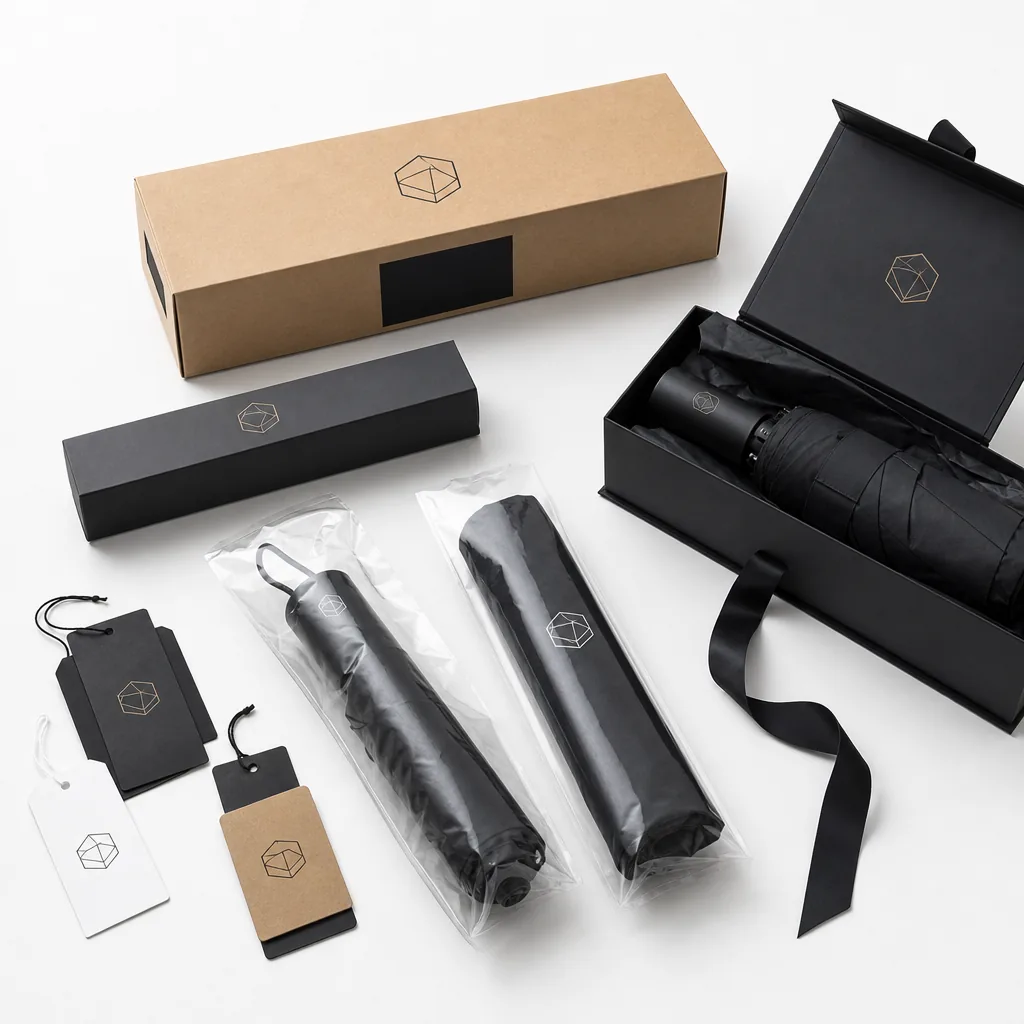
Custom Umbrellas for Insurance Claims and Field Adjusters
Source umbrellas for claims adjusters and CAT teams with durable specs, fast deployment, QC standards, and logistics pla...
Read More »